Vinegar shrubs, or drinking vinegars, are a simple way to craft invigorating, soda-like drinks at home. To start, combine ripe fruits, sugar, and vinegar, then let the mixture ferment at room temperature until bubbles form. Strain the solids and add more vinegar for balance. You can mix your shrub with sparkling water for a tangy, effervescent beverage. If you keep exploring, you’ll discover tips to perfect your fermentation and create even more flavor combinations.

Get kitchen staples and gadgets delivered free with Prime
- Fast, free delivery on millions of items
- Prime Video, Amazon Music and more included
- Member-only deals all year
Key Takeaways
- Use ripe fruits, sugar, and vinegar to create a fermentation base for flavorful vinegar shrubs.
- Allow the mixture to ferment at room temperature until bubbling or foam appears, indicating active fermentation.
- Strain solids and mix the shrub with sparkling water to make refreshing, soda-like beverages.
- Experiment with fruit, herbs, and spices to customize flavor profiles for your homemade drinks.
- Store shrubs properly in the refrigerator to preserve flavor, safety, and extend shelf life.
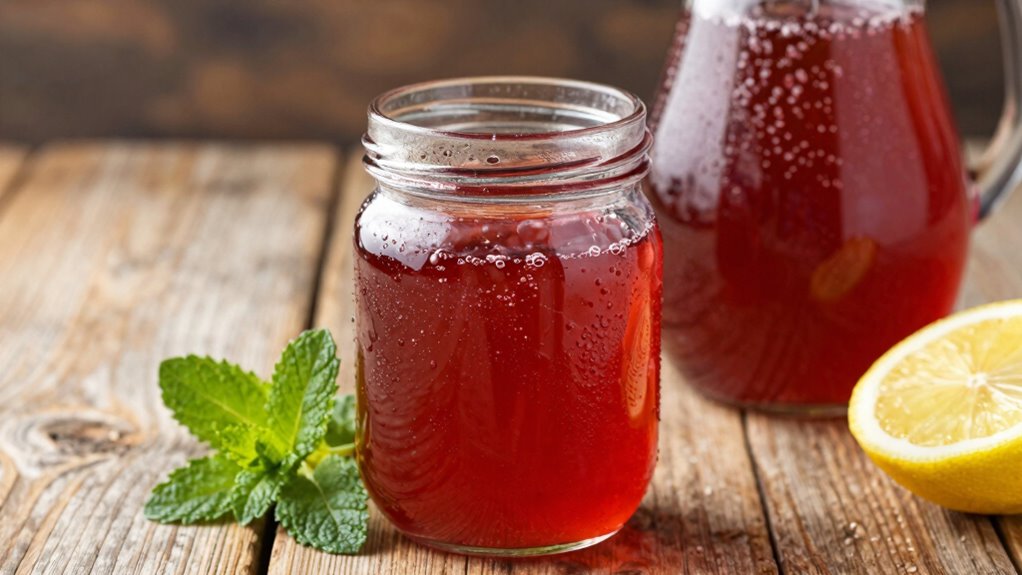
Vinegar shrubs, also known as drinking vinegars or fruit essences, are a simple way to add flavor and tang to your beverages and dishes. Making your own shrub at home is straightforward, and you don’t need advanced skills—just a bit of patience and curiosity. The key to great shrubs lies in understanding fermentation techniques and experimenting with flavor combinations. Fermentation isn’t complicated; it’s simply allowing natural bacteria to develop and transform your ingredients, which enhances the complexity and depth of your shrub. When you combine fruits, sugar, and vinegar, you create a lively fermentation process that produces a tangy, slightly effervescent syrup.
To start, you’ll want to choose fresh, ripe fruits—berries, stone fruits, or citrus work wonderfully. You’ll chop or mash your fruit and mix it with sugar, which acts as food for the natural microbes. After letting the mixture sit at room temperature for a few days, fermentation begins, converting sugars into acids and flavors. During this process, you might see bubbles or foam, signs that fermentation is active. Once you’re satisfied with the flavor and fermentation has slowed, you strain out the solids and add vinegar. The vinegar not only preserves your shrub but also balances the sweetness and enhances the tang. Understanding fermentation techniques can help you troubleshoot and improve your homemade shrubs. Additionally, paying attention to proper storage can extend the shelf life and flavor stability of your shrub. Familiarity with food safety practices is also important when fermenting at home to prevent spoilage.
In terms of flavor combinations, the possibilities are endless. You might try a simple strawberry and balsamic vinegar, or experiment with pineapple and ginger for a tropical twist. Herbs like mint, basil, or thyme can add fresh notes, while spices such as cinnamon or allspice deepen the flavor profile. The beauty of making shrubs at home is that you control the ingredients, so you can tailor each batch to your taste. As you gain confidence, you can get more creative with your recipes, blending different fruits and spices.
Once your shrub is ready, you can use it to create soda-like drinks by mixing a small amount of shrub with sparkling water. It’s a revitalizing alternative to store-bought sodas, with a depth of flavor that’s hard to find in commercial options. The process is flexible—adjust the sweetness, acidity, or fruit for your preferred taste. You’ll find that shrubs not only add flavor but also introduce you to fermentation techniques that can be applied to other homemade ferments. As you experiment, you’ll discover your favorite flavor combinations and enjoy a homemade, healthful, and delicious beverage whenever you like.
Products Worth Considering

Breville Barista Pro Espresso Machine with Grinder, Brushed Stainless Steel

Breville Bambino Espresso Machine, Brushed Stainless Steel

Cuisinart ICE-100 1.5-Quart Automatic Ice Cream and Gelato Maker
As an affiliate, we earn on qualifying purchases.
Frequently Asked Questions
Can Vinegar Shrubs Be Made With Low-Sugar Options?
Yes, you can make vinegar shrubs with low-sugar alternatives. By reducing the sugar content, you’ll create a tangy, revitalizing drink that still offers great flavor customization. Use natural sweeteners like honey or stevia sparingly, or opt for fruit purees with lower sugar levels. Experimenting with different vinegar types and fruit combinations allows you to tailor your shrub to your taste while keeping the sugar content in check.
How Long Does Homemade Vinegar Shrub Last?
Homemade vinegar shrubs last about 6 months to a year, like a well-aged cheese. To keep them fresh, store your shrub in a cool, dark place and always use a clean spoon for pouring. Flavor variations develop over time, so you might notice different tastes as it ages. Follow storage tips carefully, and your shrub will stay vibrant and delicious, ready to elevate your soda-like drinks anytime.
Are Vinegar Shrubs Suitable for People With Allergies?
Vinegar shrubs can be allergy-safe if you choose allergy-safe ingredients and avoid common allergens like nuts or certain fruits. Always read labels and use alternative flavorings, such as herbs or safe fruits, to customize your shrub. If you have specific allergies, consult with a healthcare professional before trying new ingredients. With careful selection, vinegar shrubs can be a safe, tasty addition to your beverage options.
Can Vinegar Shrubs Be Used in Cooking Recipes?
Like a secret ingredient in a treasure chest, vinegar shrubs can indeed be used in cooking recipes. They add depth and tang, perfect for flavor pairings or cocktail integrations. You might whisk them into salad dressings, marinades, or sauces to elevate your dishes. Their versatility allows you to experiment, creating vibrant flavors that surprise and delight. So, yes—incorporate vinegar shrubs into your culinary adventures for a unique, flavorful twist.
What’s the Best Type of Vinegar for Shrubs?
The best type of vinegar for shrubs is apple cider vinegar because it offers versatile flavor variations and a balanced acidity. You can experiment with different vinegars like balsamic or white wine vinegar for unique tastes. Store your shrub in a cool, dark place using proper storage techniques, such as airtight bottles, to preserve the flavor variations and maintain quality over time. This guarantees your shrub stays fresh and flavorful.
Conclusion
Now that you’ve got the basics down, you’re practically a vinegar shrub wizard! With just a splash here and a swirl there, you’ll be creating soda-like drinks that could make even the most seasoned bartenders jealous. Think of your kitchen as a bubbling laboratory of flavor alchemy, where every sip transforms your day from blah to spectacular. So go ahead, shake up those bottles—your taste buds are about to go on the wildest, most delicious ride of their lives!