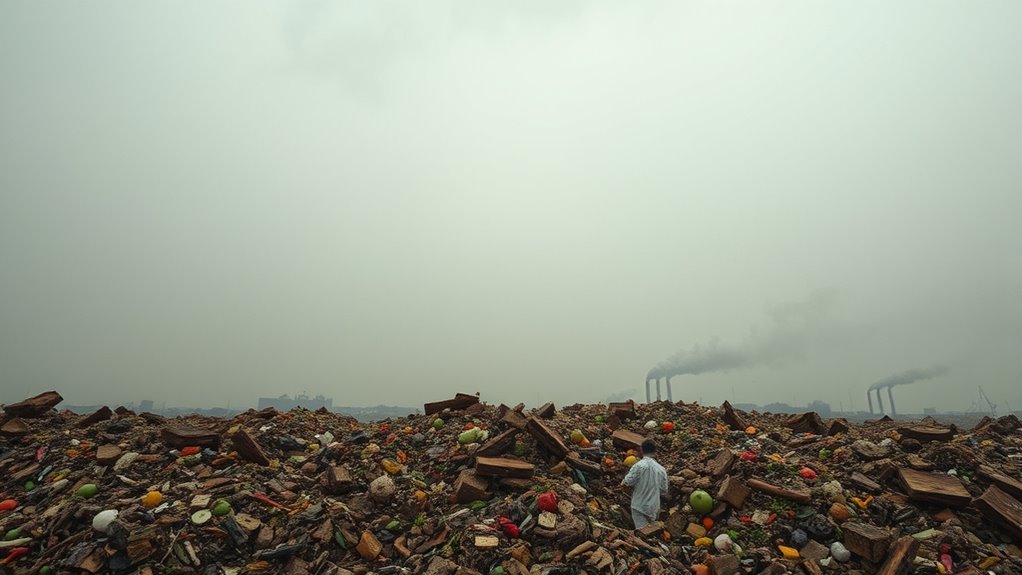

When food waste ends up in landfills, it decomposes anaerobically, releasing methane—a greenhouse gas that traps heat and accelerates climate change. By wasting food, you also waste resources like water and energy, further harming the environment. Reducing food waste decreases methane emissions and helps fight global warming. Understanding this connection shows why minimizing waste is essential, and exploring more will reveal practical ways you can make a difference in protecting our planet.

Get kitchen staples and gadgets delivered free with Prime
- Fast, free delivery on millions of items
- Prime Video, Amazon Music and more included
- Member-only deals all year
Key Takeaways
- Food waste in landfills produces methane, a potent greenhouse gas that accelerates global warming.
- Wasted food wastes resources like water, energy, and labor, increasing environmental impact.
- Reducing food waste lowers methane emissions, helping mitigate climate change.
- Proper waste management and composting can decrease landfill contributions and greenhouse gases.
- Supporting local and sustainable food systems reduces food miles and transportation-related emissions.
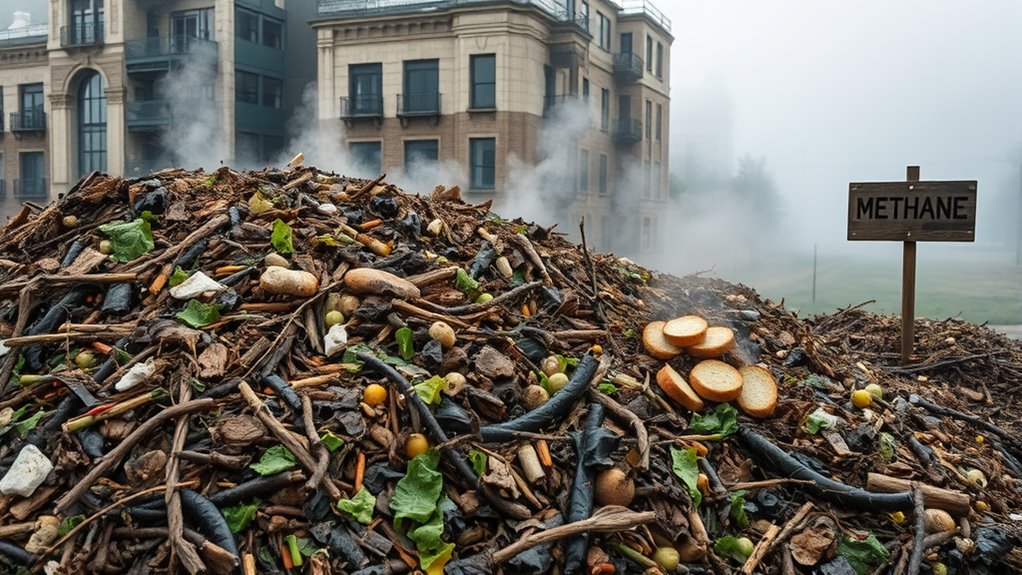
Food waste is a noteworthy contributor to climate change, yet many people underestimate its impact. When you toss food into the trash instead of using it thoughtfully, you’re not just wasting resources—you’re also fueling greenhouse gas emissions. Food that ends up in landfills decomposes anaerobically, releasing methane, a potent greenhouse gas that traps heat in our atmosphere. This process accelerates global warming and underscores the importance of food waste reduction as a crucial step toward combating climate change. By being mindful about how much food you waste, you help reduce the strain on landfills and decrease methane emissions.
Food waste fuels climate change through methane emissions from landfills. Reduce waste to help protect the planet.
Focusing on food waste reduction plays a key role in creating sustainable food systems. When you buy only what you need and plan meals carefully, you minimize leftovers that might otherwise go to waste. Proper storage techniques help extend the freshness of produce and perishable items, cutting down on unnecessary disposal. Additionally, understanding expiration dates and using leftovers creatively can further prevent food from ending up in the trash. These small actions, combined across communities, have the power to profoundly shrink the amount of food waste generated daily.
Promoting sustainable food systems involves more than individual efforts; it requires systemic change. Supporting local farms and markets reduces food miles, which lowers the carbon footprint associated with transportation and storage. Choosing products with minimal packaging or those that are sustainably sourced also contributes to a healthier environment. When you advocate for policies that improve food distribution and reduce surplus waste, you’re helping build resilient food systems that prioritize sustainability. This approach not only reduces waste but also ensures that food is distributed more equitably, diminishing the environmental impacts of overproduction and excessive packaging.
You can also play a part by educating others about the importance of reducing food waste. Sharing tips on meal planning, proper storage, and composting can inspire neighbors and friends to adopt more sustainable habits. Composting organic waste, for example, transforms what would be methane-producing trash into nutrient-rich soil, closing the loop in sustainable food systems. Your choices and advocacy can influence broader changes that support a healthier planet, demonstrating that individual actions matter in the fight against climate change. Increasing awareness about food waste’s impact on climate change can motivate more people to take action.
As an affiliate, we earn on qualifying purchases.
Frequently Asked Questions
How Does Food Waste Contribute to Greenhouse Gas Emissions?
Food waste contributes to greenhouse gas emissions because when food expires and gets discarded, it often ends up in landfills where it decomposes anaerobically, releasing methane. By composting food scraps, you reduce this methane emission and turn waste into beneficial soil. This simple step enhances composting benefits, cuts down on emissions, and helps fight climate change. So, managing food expiration wisely and composting can make a real difference.
What Are Effective Strategies to Reduce Household Food Waste?
Imagine your kitchen as a vibrant garden where every ingredient counts. To cut down on household food waste, you can start with thoughtful meal planning to buy only what you need, avoiding leftovers. Embrace composting techniques to turn scraps into rich soil instead of trash. These simple steps help you minimize waste, save money, and nurture the environment, creating a more sustainable and colorful culinary space.
How Does Food Waste in Agriculture Impact Climate Change?
Food waste in agriculture releases greenhouse gases like methane from rotting crops and inefficient supply chains. When food isn’t stored properly, spoilage increases, leading to more waste. Improving food storage methods and supply chain efficiency helps reduce this waste, cutting emissions and minimizing climate change impacts. By focusing on these areas, you can help lessen agriculture’s carbon footprint and support a healthier planet.
Can Food Waste Reduction Benefit Local Economies?
Imagine turning wasted food into new opportunities—reducing food waste can markedly boost local economies. When you support food rescue programs and composting initiatives, you help create jobs and keep money circulating within your community. For example, food rescue efforts often partner with local businesses, fostering economic growth. By cutting waste, you’re not just saving resources; you’re strengthening local markets and making your community more resilient and sustainable.
What Policies Are Being Implemented Globally to Combat Food Waste?
Globally, policies focus on food donation initiatives and improving food labeling standards. You can see governments encouraging food donations to reduce waste and support communities. They also implement clear labeling, like expiry dates, to prevent unnecessary disposal. These policies aim to make food systems more sustainable, reduce environmental impact, and ensure food reaches those in need. Your participation in supporting such initiatives can help make a real difference in combating food waste.
Conclusion
By reducing food waste, you directly help combat climate change. Some might think their individual efforts don’t make a difference, but collectively, small actions add up. When you plan meals wisely and store food properly, you cut down on methane emissions from decomposing waste and save resources. Remember, every effort counts—your choices matter more than you realize. Taking these simple steps can create a significant positive impact on the planet’s future.
Fall Picks
fall essentials
As an affiliate, we earn on qualifying purchases.