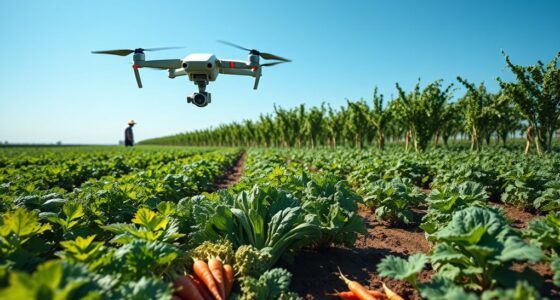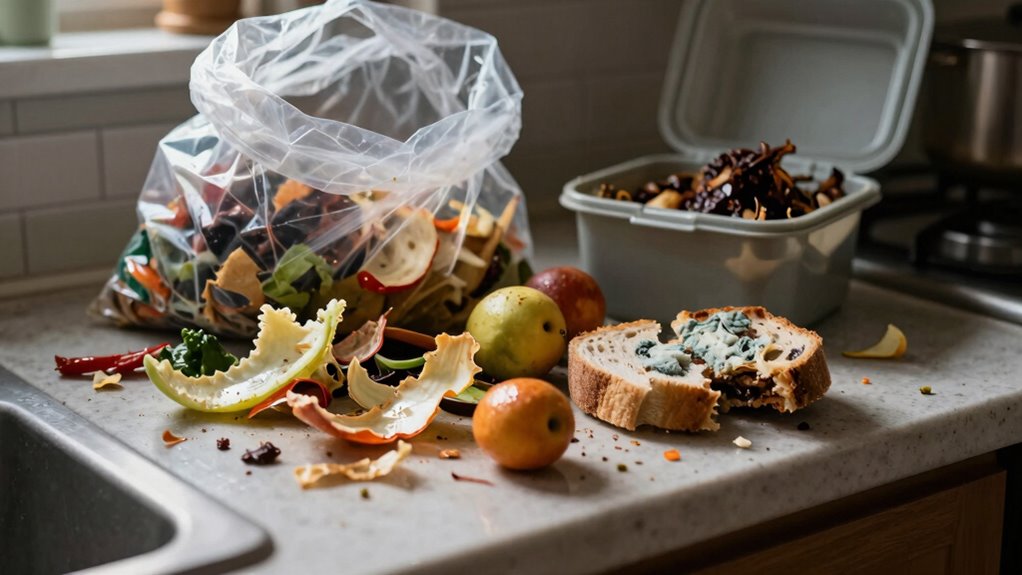

Food waste costs you money by making you buy more than needed and throwing away edible food. It also harms the environment, as decomposing food releases methane, a greenhouse gas that accelerates climate change. Your habits, like impulsive shopping and poor meal planning, contribute to waste. By understanding these impacts, you can make smarter choices, save money, and reduce your environmental footprint. Keep exploring to discover how small changes can make a big difference.

Get kitchen staples and gadgets delivered free with Prime
- Fast, free delivery on millions of items
- Prime Video, Amazon Music and more included
- Member-only deals all year
Key Takeaways
- Food waste results in significant financial loss due to discarded edible items and poor purchasing habits.
- Decomposing food in landfills produces methane, a potent greenhouse gas accelerating climate change.
- Proper storage, meal planning, and composting can reduce both monetary costs and environmental impact.
- Donating surplus food helps minimize waste and supports community needs, promoting responsible consumption.
- Small changes in consumer habits can substantially decrease food waste, saving money and reducing environmental harm.
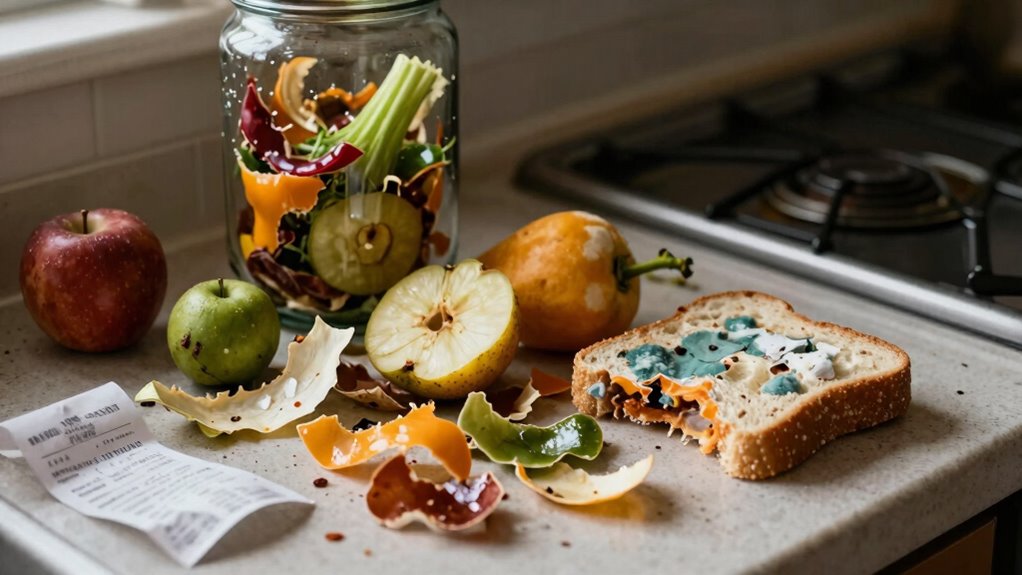
Food waste costs more than just the food itself; it impacts your budget, the environment, and global resources. When you throw away edible food, you’re throwing away money that could have been saved or used more wisely. Your consumer habits play a crucial role in this cycle. Buying more than you need, impulsively grabbing items, or not planning meals carefully often lead to excess food ending up in the trash. By changing how you shop and plan, you can cut down on waste and save money. For example, creating a shopping list based on your weekly meal plan reduces impulse buys and ensures you only purchase what you’ll actually consume.
Planning meals and making shopping lists helps reduce waste and saves money.
Beyond your wallet, food waste contributes heavily to environmental issues. When food is discarded, it often ends up in landfills, where it decomposes and produces methane—a potent greenhouse gas that accelerates climate change. This methane emission is a direct result of consumer habits and the way we handle food waste. If you adopt practices like proper storage or composting, you can considerably reduce the amount of organic waste that rots in landfills. Composting not only cuts methane emissions but also turns food scraps into valuable soil nutrients, fostering a more sustainable lifestyle. Increasing awareness about biodiversity helps us understand how food waste impacts ecosystems and global resources, emphasizing the importance of mindful consumption. Additionally, learning about the true environmental cost of wasteful practices can motivate more responsible behavior. Educating yourself about waste reduction strategies can further enhance efforts to minimize food waste and its environmental footprint.
Food donation offers a practical solution to reduce waste and help others. If you notice surplus food that’s still good but might go bad soon, instead of tossing it, consider donating it to local food banks or community organizations. Food donation is a simple yet powerful way to combat food waste while supporting those in need. It encourages a mindset shift—viewing excess food as a resource rather than trash. By making food donation a regular part of your routine, you actively participate in reducing the environmental impact of waste and promote a culture of sharing and responsibility. Recognizing the environmental impact of wasteful practices can motivate more people to adopt sustainable habits. Small changes in consumer habits can lead to significant reductions in food waste and its associated environmental consequences.
food storage containers with date labels
As an affiliate, we earn on qualifying purchases.
As an affiliate, we earn on qualifying purchases.
Frequently Asked Questions
How Does Food Waste Impact Global Water Resources?
Food waste substantially impacts global water resources by contributing to water scarcity and resource depletion. When you waste food, you’re also wasting the large amounts of water used in production, irrigation, and processing. This unnecessary water use strains already limited water supplies, worsens drought conditions, and depletes essential resources. By reducing food waste, you help conserve water, support sustainable resource management, and lessen the strain on our planet’s precious water sources.
What Psychological Factors Contribute to Household Food Waste?
You often waste food because of psychological factors like overestimating portion needs and fear of running out, which lead to overstocking. Around 40% of food is discarded due to poor meal planning and leftovers management. You might hesitate to eat leftovers, thinking they’re less appealing, or buy more than necessary, driven by impulse or emotional comfort. Recognizing these habits can help you cut down on unnecessary waste.
Are There Cultural Differences in Food Waste Habits?
Yes, cultural differences influence food waste habits considerably. You might find that cultural norms and dietary customs shape how much food you prepare and how leftovers are handled. In some cultures, abundance is valued, leading to more waste, while others emphasize frugality and respect for food, reducing waste. Your habits are deeply connected to these cultural practices, affecting your overall approach to food preservation and waste.
How Does Food Waste Affect Local Economies and Employment?
Food waste impacts local economies by reducing profits for farmers and businesses, while increasing waste management costs. You can help by supporting food donation programs, which divert edible food to those in need, and participating in composting initiatives that turn waste into valuable resources. These actions create jobs in food recovery and composting sectors, boosting local employment. Your choices directly influence economic sustainability and environmental health in your community.
What Role Do Grocery Stores Play in Food Waste Reduction?
Grocery stores play a vital role in food waste reduction by implementing smarter policies and packaging innovations. Did you know that up to 10% of food is wasted before reaching consumers? Stores can cut waste by adjusting expiration date policies, donating unsold food, and adopting eco-friendly packaging. These actions not only minimize waste but also save money, protect the environment, and promote sustainability.
Conclusion
So, next time you toss that half-eaten sandwich, remember you’re not just wasting a snack—you’re funding methane monsters and fueling habits that turn your fridge into a graveyard. Imagine your leftover lettuce turning into a greenhouse gas ghost, haunting the planet for centuries. If you want to save money, the environment, and your dignity, maybe consider becoming a food-saving superhero. After all, every crumb counts—unless you’re a professional food waster, in which case, carry on.
NFL season / tailgating Picks
team gear
As an affiliate, we earn on qualifying purchases.