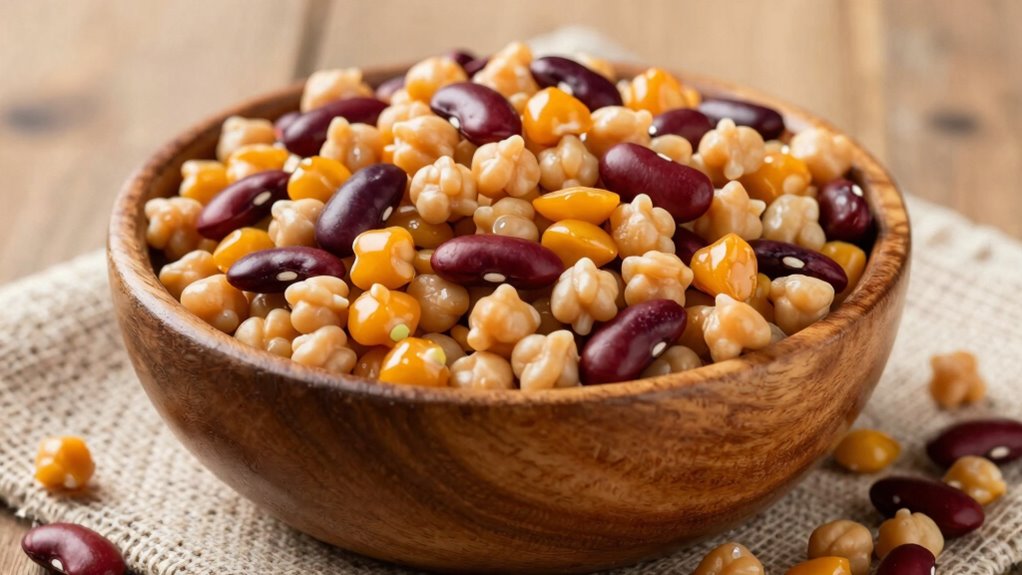

Eating more pulses helps reduce your environmental impact by improving soil health, conserving water, and lowering greenhouse gas emissions. Pulses naturally fix nitrogen in the soil, decreasing the need for synthetic fertilizers and supporting sustainable farming. They use less water than other protein sources like beef, especially in water-scarce areas. By choosing pulses, you contribute to climate change mitigation and protect ecosystems. Continue exploring to discover how these small legumes can make a big difference.

Get kitchen staples and gadgets delivered free with Prime
- Fast, free delivery on millions of items
- Prime Video, Amazon Music and more included
- Member-only deals all year
Key Takeaways
- Eating pulses reduces reliance on synthetic fertilizers, improving soil health and preventing land degradation.
- Pulses require significantly less water than animal-based proteins, supporting water conservation efforts.
- Increasing pulse consumption lowers greenhouse gas emissions associated with food production.
- Pulses promote biodiversity and reduce chemical runoff, benefiting ecosystems and natural habitats.
- Dietary shifts to pulses contribute to climate change mitigation and sustainable resource management.
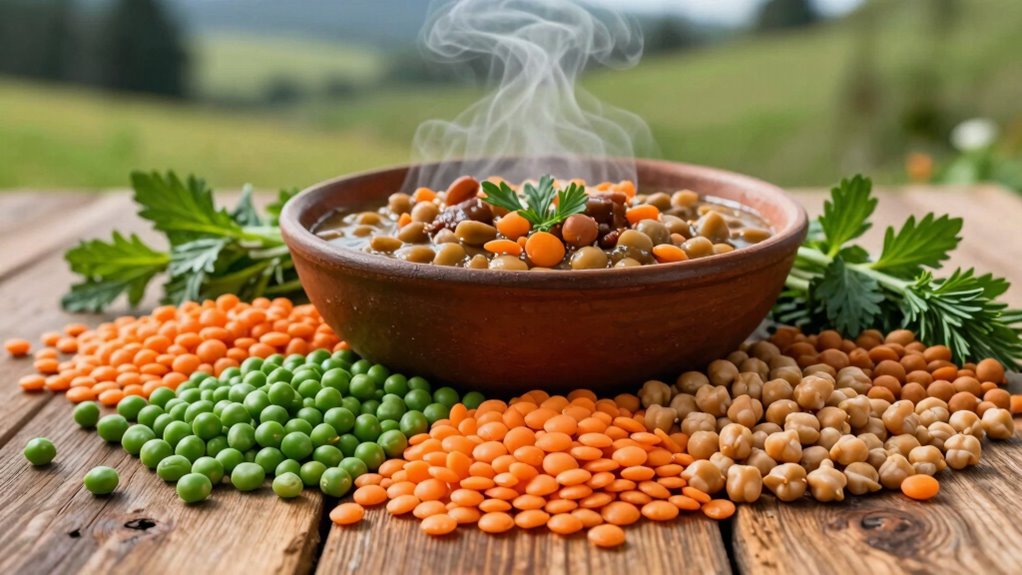
Eating pulses isn’t just good for your health; it’s also a smart choice for the environment. When you include more beans, lentils, chickpeas, and other pulses in your diet, you support practices that benefit the planet in multiple ways. For starters, pulses play a crucial role in maintaining soil health. Unlike many other crops, they have the ability to fix nitrogen in the soil, meaning they naturally add nutrients without the need for synthetic fertilizers. This reduces soil degradation and helps preserve the land’s fertility over time. By choosing pulses, you’re supporting agricultural methods that require fewer chemical inputs, which in turn minimizes runoff into waterways and sustains ecosystems.
Eating pulses supports soil health by naturally fixing nitrogen and reducing chemical runoff.
Water conservation is another compelling reason to eat more pulses. Pulses require considerably less water to grow compared to other protein sources like beef or dairy. For example, producing a kilogram of pulses generally uses only a fraction of the water needed for the same amount of beef. This makes pulses an efficient choice, especially in regions facing water scarcity. By incorporating more pulses into your diet, you’re effectively reducing the strain on local water resources. This is particularly important as climate change leads to unpredictable rainfall patterns and depletes aquifers. Your simple dietary shift can help lessen the environmental pressure on water supplies and contribute to more sustainable agriculture. Supporting water-efficient crops is an effective way to address water scarcity issues.
Furthermore, pulses have a lower carbon footprint than many animal-based foods. Growing pulses emits fewer greenhouse gases, which are the primary drivers of climate change. Their ability to improve soil health means less reliance on intensive farming practices that can damage ecosystems and increase emissions. When you opt for plant-based proteins like pulses, you’re actively reducing your contribution to climate change. Additionally, pulses can be part of sustainable farming methods that protect biodiversity and natural habitats. This small change in your eating habits can have a ripple effect, encouraging more sustainable farming practices and reducing the overall environmental impact of food production.
In essence, choosing pulses isn’t just about nourishing your body; it’s a conscious decision to support soil health, conserve water, and combat climate change. Your dietary choices can promote more sustainable farming methods, help preserve natural resources, and foster healthier ecosystems. Every time you add pulses to your plate, you’re making a positive impact on the planet. It’s a simple, effective way to align your health goals with environmental responsibility, proving that what you eat truly matters.
As an affiliate, we earn on qualifying purchases.
Frequently Asked Questions
How Do Pulses Compare Nutritionally to Other Protein Sources?
Pulses offer impressive nutritional benefits and excel in protein comparison to many other plant-based sources. They’re rich in fiber, vitamins, and minerals, making them a nutritious choice. When you compare their protein content to meat or dairy, pulses provide a significant amount of plant-based protein, often at a lower environmental cost. You can enjoy them as a versatile, sustainable option that supports your health and reduces your ecological footprint.
What Are the Best Ways to Incorporate Pulses Into Daily Meals?
Think of pulses as your culinary chameleon—easy to adapt and full of cooking versatility. You can toss lentils into soups, mash chickpeas for hummus, or add beans to salads and stews. To enhance flavor pairing, season with herbs, spices, or citrus. Incorporate pulses into your meals daily by experimenting with different recipes, making them a satisfying, eco-friendly, and nutritious staple that keeps your taste buds excited and your body energized.
Are There Any Environmental Drawbacks to Pulse Farming?
Yes, there are some environmental drawbacks to pulse farming. You should be aware that water usage can be significant, especially in areas with limited resources. Additionally, pesticide concerns arise because some farmers use chemicals to protect crops, which can harm ecosystems. While pulses are generally eco-friendly, it’s important to take these factors into account and support sustainable farming practices to minimize their environmental impact.
How Do Pulses Impact Soil Health and Crop Rotation?
Pulses are a real game-changer for soil health and crop rotation. They enrich the soil with nitrogen, boosting soil fertility naturally, which means you don’t need as much synthetic fertilizer. Including pulses in your crop rotation promotes diversity, reducing pest and disease risks. This natural soil enrichment keeps your land healthy and productive over time, making pulses a smart choice for sustainable farming and keeping your fields thriving.
Can Pulses Help Reduce Global Food Insecurity?
Yes, pulses can help reduce global food insecurity by providing nutritious, affordable protein sources. Their cultivation requires less water compared to other crops, making them sustainable even in water-scarce regions. Additionally, pulse cultivation promotes biodiversity by supporting diverse ecosystems and reducing reliance on monocultures. By encouraging pulse consumption and farming, you support resilient food systems that can better withstand climate change and resource limitations.
Conclusion
Imagine your plate as a tiny garden, each pulse a steadfast soldier fighting for a healthier Earth. When you choose to eat more pulses, you’re planting seeds of change, nurturing a future where our planet blossoms with life and vigor. Every bite becomes an act of hope, a ripple that sparks a tide of positive change. Embrace pulses, and together, we can cultivate a world where nature flourishes, and our legacy is one of care and resilience.
Halloween Picks
halloween
As an affiliate, we earn on qualifying purchases.