Many cookware labeled as “non-toxic” can be misleading or lack clear proof, so it’s important to know what genuine safety means. Look for trusted certifications and transparent ingredient info. Materials like stainless steel, cast iron, and high-quality ceramics are generally safe, while some non-stick coatings may release harmful fumes if damaged. To make smarter choices and avoid hype, you’ll find helpful tips on identifying real non-toxic options and proper care that keeps your cookware safe.

Get kitchen staples and gadgets delivered free with Prime
- Fast, free delivery on millions of items
- Prime Video, Amazon Music and more included
- Member-only deals all year
Key Takeaways
- Verify non-toxic claims through reputable certifications like NSF, Greenguard, or EPA, and avoid vague or unverified labels.
- Understand that coatings like PTFE may emit harmful fumes when overheated; safer options include ceramic or stainless steel.
- Choose durable, non-reactive materials such as stainless steel, cast iron, or high-quality ceramic to minimize chemical leaching.
- Be cautious of low-quality ceramic or aluminum cookware that can chip, crack, or leach metals into food.
- Proper maintenance and inspection are essential to ensure ongoing safety and prevent deterioration that could compromise non-toxic properties.
Products Worth Considering

Le Creuset Signature 6.5-Quart Deep Round Dutch Oven with Light Gold Crucible Knob, Enameled Cast Iron, Bleu Riviera

Breville Barista Pro Espresso Machine with Grinder, Brushed Stainless Steel

Le Creuset Signature Enameled Cast Iron Round Dutch Oven, 5.5 qt, Deep Teal
As an affiliate, we earn on qualifying purchases.
What Does ‘Non-Toxic’ Mean in Cookware?

What does “non-toxic” really mean when it comes to cookware? Essentially, it signifies that the materials used won’t release harmful chemicals during cooking. This reduces the risk of chemical reactions that can contaminate your food or pose health hazards. Non-toxic cookware is designed to be safe over time, maintaining its integrity without degrading or leaching toxins. Durability plays a key role here—if your cookware is durable, it’s less likely to break down and cause contamination. When choosing non-toxic options, you want materials that won’t react with acidic foods or high heat, as these reactions can produce unwanted substances. Additionally, understanding material safety standards can help you select cookware that truly minimizes health risks. For example, some materials are more resistant to chemical degradation than others, ensuring safer cooking conditions. Moreover, selecting cookware made from safe, non-reactive materials can provide extra peace of mind. Ensuring proper maintenance routines can also extend the lifespan of your cookware and maintain its non-toxic qualities. Ultimately, non-toxic cookware aims to keep your cooking safe, clean, and free from harmful chemical interactions that could compromise your health.
Materials in Non-Toxic Cookware and Their Risks

Choosing the right materials for non-toxic cookware is essential because some substances can leach harmful chemicals into your food. Ceramic cookware is popular for its durability, but not all ceramics are created equal—poorly made options may crack or chip, reducing its effectiveness and safety. Metal cookware, such as aluminum or non-stainless steel, can pose metal toxicity risks if it leaches into your meals, especially when scratched or worn. Some non-toxic options, like cast iron or stainless steel, are safer choices because they resist leaching and are highly durable. However, understanding each material’s properties helps you avoid cookware that could compromise your health. Always check the quality and manufacturing standards to guarantee your cookware remains truly non-toxic and safe for everyday use. Being aware of material safety standards can further help you select cookware that minimizes health risks, especially when considering potential chemical leaching from substandard products. Additionally, understanding material durability ensures you choose long-lasting options that maintain safety over time. For example, natural materials tend to be more stable and less prone to chemical leaching, making them a preferable choice for health-conscious consumers. Recognizing the benefits of sound healing science can also guide you toward holistic approaches that support overall well-being beyond just your cookware choices.
How to Spot Fake or Overhyped Non-Toxic Claims

When evaluating non-toxic cookware claims, you should prioritize ingredient transparency—if a product doesn’t clearly list its materials, be cautious. Always verify the certification credibility to make sure it’s backed by reputable organizations, not just marketing hype. Remember, overhyped claims often lack solid proof, so doing your homework helps you avoid being misled.
Ingredient Transparency Matters
Even with the rise of non-toxic cookware options, manufacturers can sometimes make exaggerated or misleading claims about ingredient safety. To spot fake or overhyped claims, always check ingredient transparency. Reputable brands clearly list their materials, especially for ceramic coatings and metal alloys. Be wary of vague descriptions like “food-safe” without specifics. Look for detailed information about the ceramic coating’s composition or the type of metal alloys used, as certain metals can pose health risks. If a product lacks transparency or avoids revealing key details, it’s a red flag. Trustworthy brands prioritize ingredient disclosure, so you can confidently assess whether the cookware truly aligns with your non-toxic standards. Remember, transparency is your best defense against misleading claims. Additionally, understanding best cookware materials can help you make more informed choices about safe kitchenware. Being aware of common contaminants in cookware can further protect your health when evaluating product claims. Furthermore, researching manufacturers’ transparency policies can provide insight into their commitment to ingredient honesty. Staying informed about industry standards for safety can also guide you toward more reliable and trustworthy products. Incorporating private equity market trends can help consumers better understand the evolving landscape of safety and transparency standards in manufacturing.
Verify Certification Credibility
To verify a product’s non-toxic claims are legitimate, you need to verify the credibility of its certifications. Start by checking if the product meets recognized certification standards from reputable organizations, such as NSF, EPA, or Greenguard. These standards ensure rigorous testing and verification of safety claims. Additionally, examine the labeling authenticity—look for clear, consistent labels that detail the certification body and date. Be wary of vague or generic claims that lack official certification marks. Fake or overhyped claims often rely on misleading language or inconsistent labeling. By scrutinizing certification standards and confirming labeling authenticity, you can confidently distinguish genuine non-toxic cookware from products that simply claim to be safe without proper validation. Vetted – Perfect Fit Living
Are Non-Stick Coatings Safe? Alternatives Explained
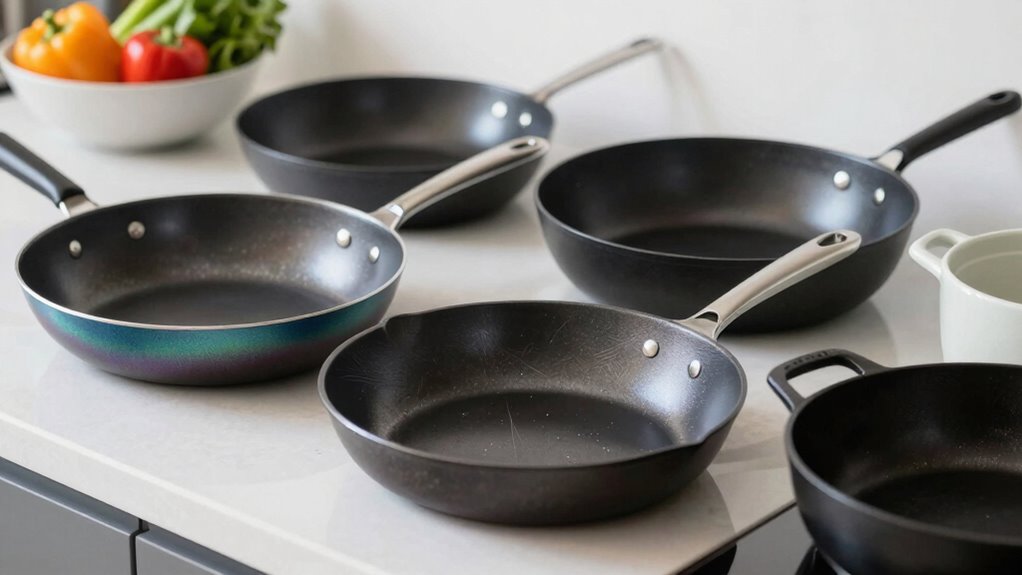
Many traditional non-stick coatings can release harmful chemicals when heated, raising safety concerns. Luckily, there are safer options like ceramic, cast iron, and stainless steel that don’t pose the same risks. Knowing your choices helps you pick cookware that’s truly healthy for your kitchen. Additionally, understanding precious metal IRA markets can provide insights into investing in secure, tangible assets beyond cookware safety.
Risks of Traditional Non-Stick
While non-stick coatings like Teflon are popular for their convenience, concerns have emerged about their safety. When heated, damaged coatings can release fumes linked to health issues, and their ceramic durability varies. Plus, traditional non-stick surfaces often contain metals that react with certain foods, affecting flavor and safety.
| Aspect | Concern |
|---|---|
| Ceramic Durability | Coatings may chip or peel over time |
| Metal Reactivity | Metals like aluminum can leach into food |
| Fume Emission | Overheating releases potentially harmful fumes |
| Scratching | Damages reduce non-stick effectiveness |
| Long-term Use | Coatings degrade, risking ingestion |
Safer Coating Options Available
Concerns about the safety of traditional non-stick coatings have led many to explore alternative options that minimize health risks. Ceramic coatings are a popular choice because they offer good durability and resist scratching, making them suitable for everyday use. Unlike traditional non-stick surfaces, ceramic coatings do not contain potentially harmful chemicals like PTFE or PFOA, reducing concerns about metal safety. They heat evenly and are generally considered safe at high temperatures. While ceramic coatings may wear over time, they remain a safer, more environmentally friendly option for those seeking non-stick performance without the health worries. By choosing cookware with ceramic coatings, you can enjoy the benefits of non-stick functionality while prioritizing your health. Additionally, proper maintenance and ventilation considerations can extend the lifespan of ceramic-coated cookware and ensure safe use in your kitchen.
Choosing Healthy Cookware
Are non-stick coatings truly safe for your health? Many worry about chemical reactions that might release harmful substances during cooking. Non-stick pans often have a limited cookware durability, wearing down over time and potentially exposing bare metal. Using vetted cookware options can help minimize health risks associated with chemical reactions. To choose healthy cookware, consider alternatives like: – Ceramic-coated pans, which resist chemical reactions and are generally safer. – Cast iron, offering longevity and natural non-stick properties when seasoned properly. – Stainless steel, known for durability and resistance to chemical interactions. These options avoid the risks associated with peeling non-stick coatings and provide long-lasting performance. Additionally, understanding the chemical reactions involved in cookware materials can help you make safer choices. For example, some non-stick coatings may degrade and release particles if overheated, which is why selecting durable cookware is essential for safety. Proper maintenance and understanding the thermal stability of cookware materials can also extend their safe use and prevent degradation. By understanding chemical reactions and durability, you can select cookware that’s safer and more reliable, ensuring healthier meals without compromising quality.
Which Materials Are Truly Safe for Your Kitchen?

Choosing cookware made from truly safe materials is essential for your health and peace of mind. Not all options are equal—some may contain harmful substances or react with your food. For example, ceramic cookware often boasts high durability, but its ceramic coating can crack over time. Meanwhile, aluminum is lightweight and heats quickly but has high reactivity, which can leach into your meals. Here’s a quick comparison:
| Material | Pros | Cons |
|---|---|---|
| Cast Iron | Extremely durable, natural non-stick | Heavy, requires maintenance |
| Ceramic | Non-toxic, ceramic durability | Prone to chipping, less durable |
| Stainless Steel | Safe, durable, non-reactive | Can stick, uneven heating |
| Glass | Non-reactive, easy to clean | Fragile, poor heat conduction |
| Anodized Aluminum | Lightweight, more durable than regular aluminum | Less reactive than plain aluminum |
Additionally, understanding the properties of cookware materials can help you make more informed choices for safe, toxin-free cooking. Being aware of material reactivity and how it influences food safety is crucial when selecting cookware.
Tips to Choose Reliable Non-Toxic Cookware

Selecting reliable non-toxic cookware starts with understanding the materials that are truly safe for your kitchen. To guarantee you’re making the right choice, look for cookware made from natural, non-reactive substances like stainless steel, cast iron, or ceramic. These options are durable and generally free from harmful chemicals. When caring for your cookware, opt for eco friendly cleaning methods to maintain its safety and longevity. Proper cookware storage is also essential—store in a dry, cool place to prevent damage or contamination. Keep an eye out for brands that prioritize transparency about their materials and manufacturing processes. Additionally, choosing cookware with non-reactive properties can help prevent chemical leaching into your food. Ensuring your cookware is free from harmful chemicals is crucial for health and safety. Remember, investing in high-quality, safe cookware not only protects your health but also supports sustainable practices. Choose wisely and enjoy a safer cooking environment.
Debunking Myths About Chemical-Free Cookware

Many myths about chemical-free cookware persist, leading you to believe that all non-toxic options are completely foolproof. However, concerns about chemical leaching and toxin migration are often overstated. While some cookware may contain trace amounts of chemicals, reputable non-toxic options are designed to minimize these risks. It’s a misconception that chemical leaching occurs easily or quickly; in reality, proper materials and coatings considerably reduce this possibility. Toxin migration typically depends on factors like heat, acidity, and duration of cooking, not just the cookware’s label. Remember, no cookware is entirely risk-free, but choosing well-made, certified non-toxic products helps prevent unnecessary exposure. Debunking these myths allows you to make informed decisions without unnecessary fear about everyday cooking safety.
How to Care for Your Non-Toxic Cookware Safely

Proper care is essential to maintain the safety and longevity of your non-toxic cookware. To do so, focus on proper cleaning techniques and metal safety. Avoid harsh abrasives that can damage the surface and compromise safety. Instead, use gentle scrubbing tools and mild detergents. Regularly inspect your cookware for signs of wear, especially around metal edges or handles. Keep your cookware dry after washing to prevent corrosion. Here are some tips:
- Use soft sponges or cloths to protect non-toxic coatings and metal safety.
- Avoid metal utensils that can scratch or damage surfaces.
- Clean with mild, non-abrasive solutions to preserve your cookware’s integrity.
Following these guidelines guarantees your cookware stays safe, effective, and durable for years to come.
Frequently Asked Questions
Can Non-Toxic Cookware Withstand High Temperatures Safely?
Yes, non-toxic cookware can withstand high temperatures safely if it has good temperature durability and is made from safe materials. Look for options like cast iron, stainless steel, or ceramic-coated cookware, which handle heat well without releasing harmful substances. Always check the manufacturer’s guidelines for maximum temperature limits to guarantee your cookware stays safe and effective during high-heat cooking.
Are There Any Certifications That Guarantee Non-Toxic Cookware?
You can look for certifications that guarantee non-toxic cookware, such as those adhering to certification standards like NSF or FDA approvals. These certifications assure label authenticity and that the cookware meets safety criteria. Always verify the certification labels on the product, as reputable brands display them clearly. This way, you can confidently trust that your cookware is safe, free from harmful chemicals, and meets recognized safety standards.
How Long Does Non-Toxic Cookware Typically Last?
If you’re wondering how long non-toxic cookware lasts, consider Sarah’s experience with ceramic pots; they lasted her over five years with proper care. Durability concerns vary by material, but generally, with regular maintenance like hand washing and avoiding metal utensils, non-toxic cookware can last 3-10 years. Following maintenance tips helps preserve the coating, ensuring your investment stays safe and functional longer.
Do Non-Toxic Coatings Wear off Over Time?
Yes, non-toxic coatings can wear off over time. Their coating durability varies depending on the material and how you use and care for your cookware. Generally, coatings with high wear resistance last longer and resist scratches, but frequent use or harsh cleaning can cause the coating to degrade. To extend the life of your non-toxic cookware, avoid metal utensils and abrasive cleaners, and follow the manufacturer’s care instructions carefully.
Are There Eco-Friendly Options for Non-Toxic Cookware?
Imagine cooking on a pan made from eco-conscious materials that feel sturdy yet gentle to the planet. Yes, eco-friendly options for non-toxic cookware exist, crafted through sustainable manufacturing processes. These products often use natural or recycled materials, reducing environmental impact. By choosing such cookware, you support a healthier planet and enjoy safe, durable tools. Look for brands committed to sustainability, and you’ll find excellent alternatives that align with your eco-conscious values.
Conclusion
Ultimately, understanding what “non-toxic” really means helps you make smarter choices—like a detective piecing together clues. Always scrutinize claims, choose trusted materials, and care for your cookware properly. Remember, not all that glitters is gold, and some “green” options might be just as tricky. By staying informed, you’ll keep your kitchen safe and your food pure—like a shield protecting your health every time you cook.