TL;DR
Open a free Amazon Business account
Business pricing, bulk buying and tax-exempt orders.
Create a free accountAs an affiliate, we earn on qualifying purchases.
The best lunchboxes for kids combine safety, durability, and fun designs. Reusable, insulated options help keep food fresh and make packing easier—plus, eco-friendly choices are on the rise. Think about materials, compartments, and your child’s preferences for the perfect fit.
Imagine a lunchbox that not only holds your child’s favorite sandwich but also sparks excitement every morning. It’s more than just a container; it’s a daily ritual that influences what your kid eats and how they see lunchtime. Picking the right one isn’t just about style—it’s about safety, function, and fun rolled into one.
In this blog, you’ll learn how to choose a lunchbox that fits your child’s needs, explore the latest trends, and get practical tips to make packing a breeze. Whether you’re after durability, eco-friendly materials, or just a cool design, this guide has you covered.
Choose lunchboxes made from BPA-free plastics or stainless steel for safety.
Select a size and design that matches your child’s age, preferences, and appetite.
Insulated options help keep hot foods warm and cold snacks fresh, especially for perishable items.
Eco-friendly, reusable containers reduce waste and teach children sustainability.
Involving your child in the selection process encourages use and makes lunchtime more exciting.
What Makes a Kids’ Lunchbox Safe and Healthy?
Safety is the top priority when choosing a lunchbox. Look for BPA-free plastics, stainless steel, or silicone—these materials won’t leach harmful chemicals into food. Imagine a lunchbox that’s durable enough to survive a drop from your child’s backpack—because it will.
For example, a stainless steel lunchbox not only resists stains and odors but also keeps food safe from unsafe plastics. Regularly inspect for cracks or damage, and always wash thoroughly—hot soapy water or dishwasher-safe is best. Remember: a clean lunchbox prevents bacteria buildup and keeps your kid healthy.
Choosing safe materials is crucial because some plastics contain chemicals like BPA, phthalates, or lead, which can leach into food, especially when heated or exposed to sunlight. Using stainless steel or silicone reduces this risk significantly. However, these materials can be heavier or more expensive, so balancing safety with practicality is key. Also, a damaged or cracked lunchbox can harbor bacteria, so regular inspection and cleaning are essential to maintain health and safety.
As an affiliate, we earn on qualifying purchases.
Design & Size: How to Pick a Lunchbox Your Kid Will Love
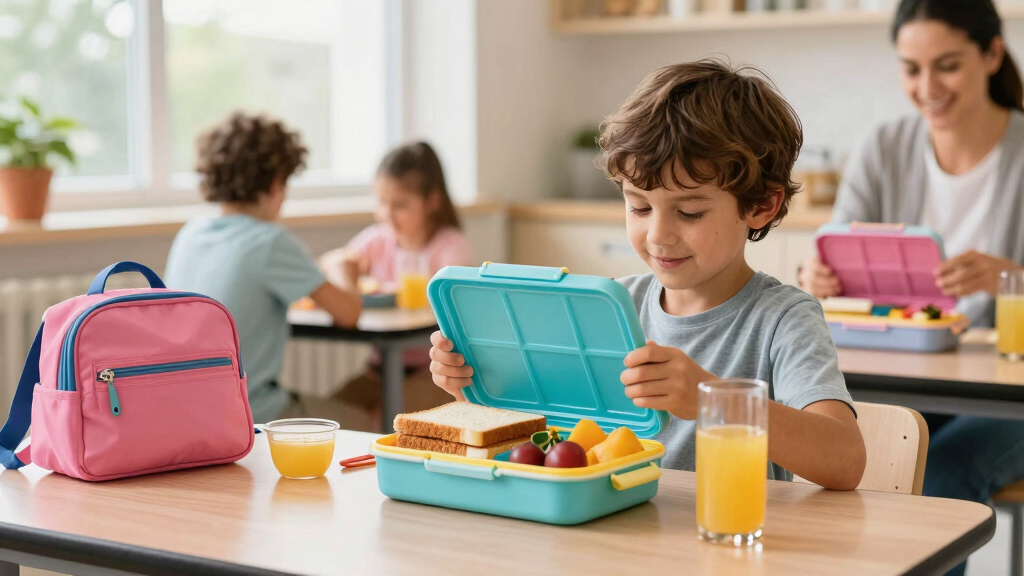
Kids’ lunchboxes come in all shapes and sizes, but the goal is to find one that fits your child’s age and appetite. Bright colors, popular characters, and customizable features turn lunchtime into an adventure. For example, a 5-year-old might prefer a compact, character-themed box, while an older child might want a sleek, minimalist design.
Choose a size that comfortably fits a sandwich, a snack, and a drink—without being bulky. Look for easy-to-open latches and lightweight materials to make daily packing effortless. Compartments help keep foods separate, preventing sogginess and messes.
But beyond aesthetics, consider how the size impacts your child’s independence. A too-large box may be cumbersome, discouraging your child from carrying it confidently, while an undersized one might not hold enough food. The design should also facilitate easy access, encouraging your child to independently pack and unpack without frustration, fostering responsibility and independence over time.
Insulation & Temperature Control: Keep Food Fresh or Hot
If your child prefers hot lunches or cold snacks, an insulated lunchbox can be a game-changer. These boxes use foam layers or special linings to maintain food temperatures for hours. For example, a hot pasta dish remains warm until lunchtime, making your child’s meal more enjoyable.
Choose a lunchbox with leak-proof seals and easy-to-clean insulation layers. Remember, perishable foods need refrigeration, so packing an ice pack is often necessary. The right insulation can turn a soggy sandwich into a warm, comforting meal or keep fruit crisp and fresh.
Proper insulation not only preserves the temperature but also reduces food waste by maintaining quality and safety. It allows children to enjoy hot or cold foods at their optimal state, which can influence their eating habits positively. However, consider the tradeoff: insulated boxes tend to be bulkier and more expensive, so weigh the benefits against practicality based on your child’s routine.
Eco-Friendly Lunchboxes: Better for Kids and the Planet
Eco-conscious parents love reusable stainless steel or silicone lunchboxes. They cut down on waste and are often more durable. For instance, switching from disposable plastic bags to a sturdy, stainless steel container reduces landfill clutter and minimizes exposure to plastics.
Biodegradable options made from bamboo or recycled materials are also gaining popularity. These choices not only reduce environmental impact but also serve as educational tools, teaching kids about sustainability through tangible everyday choices. When selecting eco-friendly lunchboxes, consider factors like longevity, ease of cleaning, and how well they fit your child’s daily needs. The environmental benefits are significant, but it’s important to balance sustainability with practicality and cost, ensuring the container remains functional and appealing over time.
How to Pick the Perfect Lunchbox: Step-by-Step
- Identify your child’s food preferences and daily needs. Consider their favorite foods, portion sizes, and whether they need hot or cold options.
- Decide if insulation or compartments are essential based on your child’s eating habits and the types of foods they bring.
- Choose a safe, durable material—stainless steel or BPA-free plastic—that can withstand daily use and potential drops.
- Select a design that excites your kid—fun characters or sleek styles—to encourage regular use and pride in their lunch.
- Check for dishwasher safety and easy cleaning options to maintain hygiene and convenience.
- Ensure it fits comfortably in your child’s backpack, balancing size with portability.
- Involve your child in the decision—making it more likely they’ll use it happily and take ownership of their lunch routine.
Comparison: Plastic vs. Stainless Steel Lunchboxes
| Feature | Plastic Lunchboxes | Stainless Steel Lunchboxes |
|---|---|---|
| Safety | BPA-free options available, but some plastics may contain harmful chemicals | Naturally free from harmful chemicals, very safe |
| Durability | Susceptible to cracks and stains over time | Extremely durable, resistant to dents and odors |
| Weight | Generally lighter, easier for small kids | Heavier, but sturdy enough to last years |
| Temperature Control | Usually not insulated | Often comes with insulation options |
| Design & Style | Wide variety, colorful and fun | Sleek, minimalist, customizable with stickers |
Cleaning & Maintenance: Keep It Fresh
Most lunchboxes are dishwasher safe—check the label. For hand washing, use warm water and mild soap, especially for stainless steel or silicone. Regular cleaning prevents bacteria and odors. For example, a quick scrub every evening keeps the lunchbox smelling fresh and ready for tomorrow.
Pay special attention to seals and corners, where food bits can hide. Avoid harsh abrasives that scratch surfaces. A clean lunchbox makes every meal healthier and more appealing.
Proper cleaning not only prolongs the lifespan of the lunchbox but also ensures your child’s health by preventing bacterial buildup. Neglecting proper hygiene can lead to mold and unpleasant odors, which might discourage your child from using their lunchbox or expose them to health risks.
Encouraging Kids to Use Reusable Lunchboxes
Involve your child in choosing the style and design. Let them pick their favorite colors or characters—this boosts enthusiasm. Explain how reusable lunchboxes help the environment and reduce waste. For example, turning packing into a fun morning routine makes your child more eager to use their new container.
Set a good example by using your own reusable containers. Over time, it becomes a habit, and your child learns to value sustainability and healthy choices.
Encouragement and involvement are key to fostering sustainable habits. When children feel a sense of ownership and see their parents embracing eco-friendly practices, they’re more likely to adopt those behaviors themselves. Making lunch packing a positive, engaging activity helps reinforce these lessons and builds lifelong habits.
Frequently Asked Questions
What is the safest material for a kids’ lunchbox?
BPA-free plastics, stainless steel, and silicone are the safest options. They won’t leach harmful chemicals into food, making them ideal for everyday use.
How do I choose the right size and design for my child?
Consider your child’s age, appetite, and preferences. Look for lightweight, appropriately sized options with fun designs to make lunchtime appealing and manageable.
Are insulated lunchboxes worth it?
Yes, especially if your child brings perishable or hot foods. Insulated lunchboxes help maintain food temperature, making meals more enjoyable and reducing waste.
How do I clean and maintain a kids’ lunchbox?
Most are dishwasher safe; otherwise, hand wash with warm water and mild soap. Regular cleaning prevents bacteria buildup and keeps your lunchbox smelling fresh.
What eco-friendly lunchbox options are available?
Look for stainless steel, silicone, or biodegradable containers. Many brands now prioritize sustainability, helping reduce plastic waste while giving your kid a stylish, durable container.
Conclusion
Picking the right lunchbox isn’t just about style—it’s about safety, practicality, and making lunchtime a positive experience. When you choose wisely, you give your child a tool that’s healthy, fun, and environmentally friendly.
Next time you pack that bag, remember: a good lunchbox can make all the difference in how your kid eats and feels about lunchtime. So, take a moment, pick one that fits your needs, and turn every lunch into a small daily celebration.
Fall Picks
fall essentials
As an affiliate, we earn on qualifying purchases.