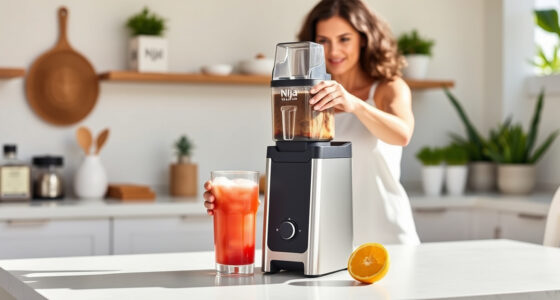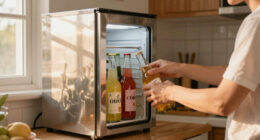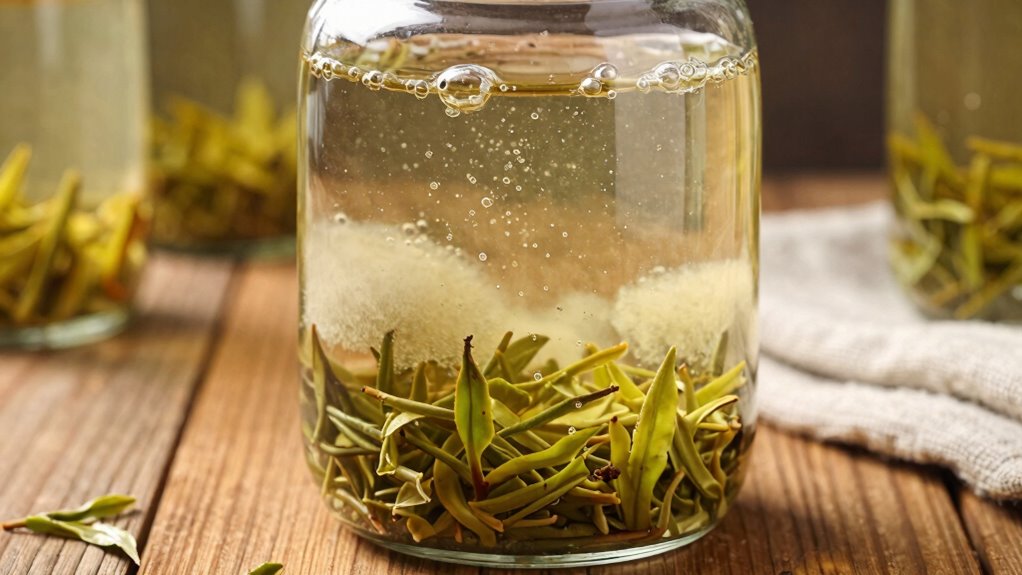
When making kombucha and fermented drinks, you should prioritize cleanliness and proper techniques. Use sterilized jars, quality ingredients, and monitor fermentation time to avoid contamination. Look for signs like bubbles and a tangy smell to guarantee proper fermentation, but discard anything moldy or foul-smelling. Start with small quantities to see how your body reacts, and always follow trusted recipes. Continuing on will give you essential tips to enjoy your drinks safely and confidently.

Get kitchen staples and gadgets delivered free with Prime
- Fast, free delivery on millions of items
- Prime Video, Amazon Music and more included
- Member-only deals all year
Key Takeaways
- Use sterilized equipment and quality ingredients to prevent contamination during kombucha and fermented drinks preparation.
- Monitor fermentation closely for proper signs like bubbles and tangy smell; discard if mold or foul odors appear.
- Start with small servings to assess your body’s response and avoid digestive discomfort.
- Follow trusted recipes and avoid over-fermentation to minimize health risks.
- Consult healthcare providers if pregnant, nursing, or immunocompromised before consuming fermented drinks.
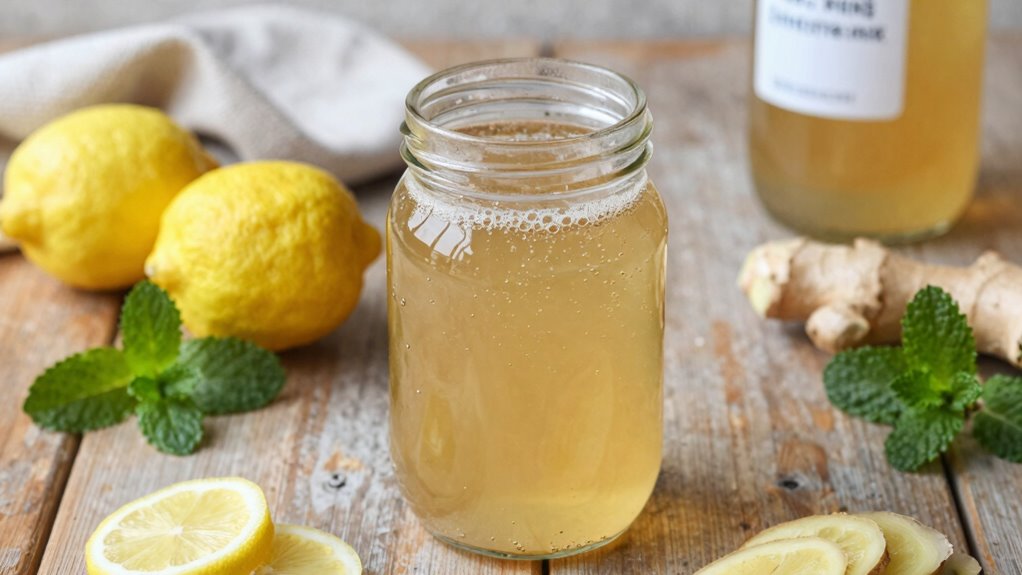
Are fermented drinks safe to enjoy? It’s a common question, especially if you’re new to the world of beverages like kombucha and other fermented drinks. The good news is that when prepared properly, these drinks can be safe and even beneficial for your health. Their popularity has surged because of the potential health benefits, which include improved digestion, boosted immunity, and increased energy levels. These benefits come from the fermentation process, which involves beneficial bacteria and yeasts breaking down sugars in the drink, creating probiotics that support gut health. Understanding how the fermentation process works and what to look out for guarantees you can enjoy these drinks safely. Proper fermentation techniques are essential to prevent health risks.
The fermentation process is vital because it transforms simple ingredients like tea, sugar, and water into a probiotic-rich beverage. During fermentation, naturally occurring or added microbes consume the sugars, producing acids, gases, and beneficial bacteria. This process not only enhances flavor but also extends shelf life. When done correctly, it creates a balanced environment that discourages harmful bacteria. But improper fermentation or contamination can pose health risks, so it’s essential to follow proper hygiene and fermentation techniques. Using quality ingredients, sterilizing equipment, and monitoring fermentation time are key steps to prevent spoilage and guarantee your drink remains safe. Monitoring fermentation time helps ensure the optimal environment for safe fermentation. Additionally, understanding the microbial activity involved can help you better manage the process for a safer outcome. Knowing about hygienic practices is also crucial for preventing contamination. Incorporating knowledge of laboratory safety techniques can further improve your home fermentation safety by ensuring you maintain a sterile environment.
As a beginner, it’s wise to start with trusted recipes and reputable sources. Many commercial kombucha brands undergo strict quality controls, giving you peace of mind. If you’re brewing at home, always use sterilized jars and utensils, and keep the environment clean. Pay close attention to signs of proper fermentation, like a tangy smell and visible bubbles, which indicate active fermentation. If you notice mold, foul odors, or an unusual appearance, it’s safest to discard the batch. These signs suggest contamination or spoilage. Also, avoid consuming overly sour or fizzy drinks that seem off, as they could be unsafe.
While kombucha and other fermented drinks can offer health benefits, moderation is key. Some people might experience digestive discomfort if they consume too much too quickly or if their gut isn’t used to probiotics. Start with small servings and observe how your body reacts. If you’re pregnant, nursing, or have a compromised immune system, consult your healthcare provider before adding these drinks to your diet. Remember, enjoying safe, properly fermented drinks isn’t just about taste—it’s about supporting your health while minimizing risks. When you understand the fermentation process and follow best practices, you can confidently include fermented drinks in your wellness routine.
Products Worth Considering

Cuisinart Brew Central 12-Cup Programmable Coffeemaker, Brushed Chrome

Ninja Professional XL 12-Cup Food Processor, NF701

Instant Pot Rio Wide 7.5 Qt 7-in-1 Electric Pressure Cooker, WhisperQuiet
As an affiliate, we earn on qualifying purchases.
Frequently Asked Questions
Can Children Safely Consume Kombucha Regularly?
Children can’t safely consume kombucha regularly due to child safety concerns and fermentation risks. The drink contains trace amounts of alcohol and live bacteria, which might affect young kids’ developing systems. It’s best to limit or avoid giving kombucha to children altogether. Always consult a healthcare professional before introducing fermented drinks into a child’s diet, and prioritize safe, age-appropriate beverages to guarantee their health and safety.
How Can I Tell if My Fermented Drink Is Unsafe?
You can tell if your fermented drink is unsafe by inspecting it for signs of fermentation safety issues, like mold growth or an off smell. Look closely for mold detection—fuzzy, colorful spots are a red flag. If it smells sour or rotten beyond normal fermentation, or if the taste is off, discard it. Trust your senses, and when in doubt, it’s safer to toss it and start fresh.
Are There Any Health Risks With Home Brewing?
Home brewing hazards can feel like walking a tightrope over a volcano, but with careful attention, you minimize risks. The biggest fermentation safety concern is contamination, which can lead to harmful bacteria or mold. If you don’t follow strict hygiene and proper fermentation safety procedures, you might produce unsafe drinks. Always sterilize equipment, monitor your brew, and trust your senses—sight, smell, taste—to keep your home brewing adventures safe and enjoyable.
How Long Does Homemade Kombucha Last?
Homemade kombucha typically lasts about 1 to 3 weeks in the refrigerator, depending on your taste preference and fermentation stage. The shelf life depends on storage tips like keeping it in a clean, airtight bottle and maintaining a consistent cold temperature. Always check for signs of spoilage, such as mold or off smells, before drinking. Proper storage helps guarantee your kombucha stays fresh and safe to enjoy.
Is Pasteurization Necessary for Commercial Fermented Drinks?
You should pasteurize commercial fermented drinks to guarantee fermentation safety and prevent harmful bacteria. For example, a beverage company faced a recall after contaminated products reached consumers because they skipped commercial sterilization. Pasteurization reduces risks and extends shelf life, making it an indispensable step for public health. While some small producers skip it, for commercial products, pasteurization is essential for consistent safety and quality control.
Conclusion
Now that you’ve got the scoop, you’re ready to dance with fermented drinks safely. Think of it as tending a tiny garden—you nurture with care, watch for signs, and harvest only the best. With these tips in your back pocket, your kombucha and fermented adventures will be flavorful and fun, not fraught with pitfalls. Cheers to your new brewing journey—may it be as lively and invigorating as the drinks you create!