
TL;DR

Get kitchen staples and gadgets delivered free with Prime
- Fast, free delivery on millions of items
- Prime Video, Amazon Music and more included
- Member-only deals all year
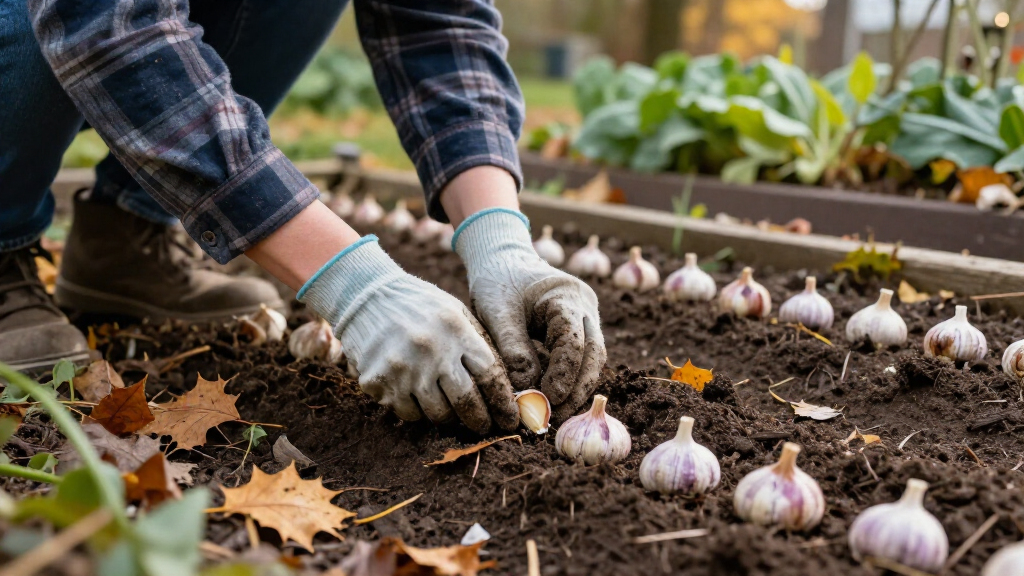
Garlic can be planted from mid-fall until the ground freezes, with the exact timing shaped by local climate. The Good Housekeeping report recommends planting individual cloves pointy end up in sunny, well-drained soil, then keeping the bed weeded and harvesting when about half the foliage has yellowed and fallen over.
Garlic planted in fall can be harvested the following late spring or early summer, according to a Good Housekeeping gardening report that recommends planting cloves in a sunny, well-drained bed before the ground freezes. The timing matters because garlic takes about eight months to mature, and the report says planting dates vary by climate, generally running from mid-October into December.
Choose a location with at least six hours of direct sunlight and soil that drains well; garlic does not do well in persistently wet ground. The planting site should remain undisturbed while the crop develops. The report advises digging holes 4 to 6 inches deep, planting more shallowly in warm climates and more deeply in cold ones.
Break a garlic bulb into separate cloves shortly before planting, keeping the papery covering on each clove where possible. Set cloves pointed end up, cover them with soil and press the soil gently. Space them about 6 inches apart and water after planting. The report says an early sprout after planting is not, by itself, a reason to worry about the harvest.
When green shoots appear in spring, apply a balanced fertilizer, water during especially dry weather and keep weeds from competing for moisture and nutrients. Harvest timing depends on variety and location. The report says garlic is generally ready from late spring to early summer, when about half the leaves have yellowed and toppled. Lift bulbs carefully with a spade or garden fork, then cure them out of direct sunlight for a couple of weeks before storage.
A Fall Planting Sets Up Summer Harvest
Fall planting gives garlic time to grow through the colder months and develop bulbs for the following growing season. Because the crop takes about eight months to mature, missing the local planting window can affect when a gardener can expect to harvest. The advice also offers a practical way to plan a small home crop without requiring elaborate equipment: the essentials are sound planting stock, sun and well-drained soil.
Harvest and storage care affect how much of the crop remains usable. Curing bulbs for a couple of weeks helps improve storage life, the report says, while bulbs damaged during lifting should be used first because they spoil sooner. Depending on variety and storage conditions, properly stored garlic may keep for about four to six months.
As an affiliate, we earn on qualifying purchases.
Choosing Garlic for Local Conditions
The report describes two main garlic types. Softneck garlic has flexible stems that can be braided and is presented as a suitable choice for southern growers. Hardneck garlic has a stiff stem, grows well in cold climates and produces edible flower stems called scapes. The report says removing hardneck scapes as they curl in late spring helps the plant direct energy toward bulb development.
Variety selection can also shape the growing and storage experience. Good Housekeeping lists Inchelium Red and Italian Early among its softneck examples, and Chesnock Red and Music among hardneck choices. The article cautions that grocery-store garlic may have been treated to inhibit sprouting, and recommends buying seed garlic from reputable growers instead. It does not provide a comparison of yields or performance across those varieties.
““Garlic can be planted anytime from mid-fall until the ground freezes.””
— Good Housekeeping gardening report
Local Dates and Results Vary
The report does not give a planting date for every region, so gardeners need to interpret the mid-fall-to-ground-freeze window for their own climate. It also does not specify a soil pH, watering schedule, fertilizer amount or guaranteed yield. Harvest timing varies with location and garlic type, and storage life depends on conditions; the four-to-six-month estimate is not a guarantee for every crop.
The article notes that grocery-store garlic may be treated to inhibit sprouting, but does not identify which products or brands are treated. It also does not provide trial data comparing seed suppliers or varieties. A gardener’s results may depend on local weather, drainage, planting material and care.
Watch Shoots, Scapes and Leaves
After planting, the next steps are seasonal: check the bed as shoots emerge in spring, fertilize with a balanced product, water if conditions are very dry and remove weeds. Growers with hardneck garlic can watch for scapes and cut them when they begin to curl under, as the report recommends. Later, monitor the foliage rather than relying on a fixed harvest date: yellowing and fallen leaves signal that bulbs may be ready to lift.
After lifting, cure bulbs out of direct sunlight for a couple of weeks, then store sound heads in a cool, dark place with air circulation. Use damaged bulbs first. The source gives no specific forecast or regional planting calendar, so the exact schedule remains tied to local ground-freeze dates and growing conditions.
Key Questions
When should I plant garlic in fall?
The report says garlic can be planted from mid-fall until the ground freezes, with the broad calendar range running from mid-October to December. Local climate determines the appropriate date.
How deep and far apart should garlic cloves be planted?
Plant cloves about 4 to 6 inches deep, using a shallower depth in warm climates and a deeper one in cold climates. Space them about 6 inches apart, pointed end up.
How can I tell when garlic is ready to harvest?
Harvest is generally in late spring or early summer. The report says to look for about half the foliage turning yellow and falling over; exact timing varies by location and variety.
Can I plant garlic from the grocery store?
You can try, but the report says much grocery-store garlic may be treated to inhibit sprouting. It recommends buying seed garlic from a reputable grower instead.
How should harvested garlic be stored?
Cure bulbs out of direct sunlight for a couple of weeks, then store them in a cool, dark place with airflow. The report estimates storage of about four to six months, depending on variety and conditions; use bulbs damaged during lifting first.
Source: rss
NFL season / tailgating Picks
team gear
As an affiliate, we earn on qualifying purchases.