
TL;DR
Search interest in cowboy coffee is rising, driven by curiosity about traditional outdoor brewing. A real cowboy shares his method, emphasizing simplicity and rugged authenticity. Details about specific techniques and origins remain mostly unconfirmed.
Search interest in traditional cowboy coffee has surged recently, prompting questions about how to make this rustic brew. A seasoned cowboy has shared his authentic method, emphasizing simplicity and rugged outdoor techniques. This development matters because it highlights a cultural practice rooted in American frontier history that is gaining renewed attention among outdoor enthusiasts and coffee aficionados. You can explore more about this tradition in The Old-School Cowboy Breakfast Ree Drummond Still Makes Today.

Get kitchen staples and gadgets delivered free with Prime
- Fast, free delivery on millions of items
- Prime Video, Amazon Music and more included
- Member-only deals all year
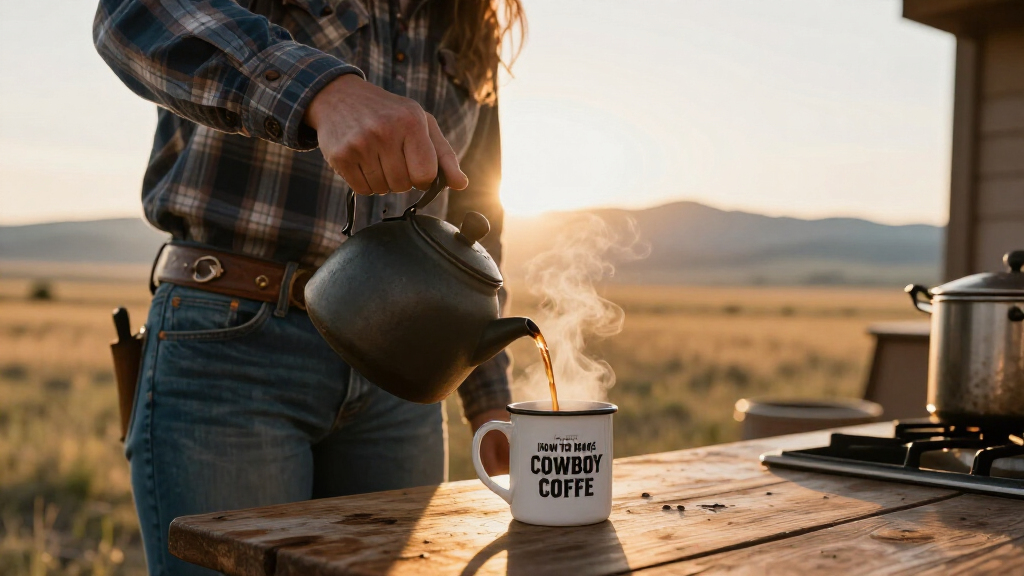
According to the cowboy source, making cowboy coffee involves boiling water directly in a pot over an open flame, then adding coarsely ground coffee without filtering. The mixture is brought to a boil, allowed to steep briefly, and then carefully poured, with the grounds settling at the bottom. This method is distinguished by its minimal equipment and reliance on the cowboy’s experience and intuition. The process is often accompanied by a specific rhythm and timing, which the cowboy described as essential to achieving the right flavor and strength.
While the exact steps can vary among practitioners, the core principles remain consistent: no paper filters, direct heat, and coarse grounds. The method is often associated with outdoor living, camping, and historical reenactments, reflecting a tradition of self-sufficient brewing that dates back to the American frontier. The source emphasized that the key to good cowboy coffee is patience and attention to detail, even in a simple process.
Cultural Roots and Modern Revival of Cowboy Coffee
This story underscores a growing interest in traditional, low-tech methods of coffee brewing, driven by a desire for authenticity and outdoor experiences. The cowboy’s method exemplifies a form of self-reliance and cultural heritage that resonates with modern audiences seeking simpler, more tactile ways of preparing food and drink. The renewed curiosity about cowboy coffee also reflects a broader trend of appreciating historical practices and outdoor lifestyles, which could influence outdoor gear, cooking, and tourism sectors. Understanding this method provides insight into American frontier history and the enduring appeal of rugged, no-frills craftsmanship.Products Worth Considering

KitchenAid 38 oz Cold Brew Coffee Maker, KCM5912

Ninja Pods & Grounds Iced Coffee Maker (PB041ST)

Instant Pot Pro Plus 6-Quart 10-in-1 Electric Pressure Cooker
As an affiliate, we earn on qualifying purchases.
Historical Significance and Contemporary Interest in Cowboy Brewing
Cowboy coffee has long been part of American frontier culture, used by ranchers, cowboys, and outdoor enthusiasts for its practicality and simplicity. Traditionally, it was made over open fires with minimal equipment, relying on coarse grounds and direct boiling. Recent years have seen a resurgence in interest in outdoor cooking and historical reenactments, which has brought renewed attention to these traditional methods. The current spike in search interest appears to be driven by outdoor enthusiasts and social media trends, though specific triggers remain unconfirmed. This trend reflects a broader cultural movement toward appreciating self-sufficiency and authentic experiences.Details of the Cowboy Coffee Preparation Method Remain Unconfirmed
While the cowboy source describes a traditional method, specific details such as exact boiling times, coffee-to-water ratios, and steeping durations vary among practitioners. It is unclear whether there is a standardized technique or if regional or personal preferences influence the process. Additionally, the identity of the source as a ‘real cowboy’ has not been independently verified, and the trend’s exact origin remains unconfirmed.
Further Exploration and Verification of Cowboy Coffee Techniques Expected
As interest continues to grow, more outdoor enthusiasts and historians may share their variations or confirm traditional practices. Social media and outdoor communities are likely to feature demonstrations, possibly leading to more standardized guides or regional adaptations. Researchers and cultural historians may also investigate the origins and evolution of cowboy coffee, helping to clarify which methods are most authentic and widespread.
Key Questions
What equipment do I need to make cowboy coffee?
You primarily need a pot or kettle, coarse ground coffee, and an open flame or heat source. No filters or specialized brewing equipment are required.
Can I make cowboy coffee indoors?
Yes, you can replicate the process indoors using a stovetop or campfire setup, but traditionally it’s made over an open flame outdoors.
What coffee grounds should I use?
Coarse grounds are recommended because they settle at the bottom and prevent grounds from pouring out with the coffee.
Is cowboy coffee safe to drink?
Yes, as long as the grounds are coarse and the mixture is boiled thoroughly, it is safe. Be cautious of hot liquids and boiling water.
Why is cowboy coffee considered authentic or special?
It embodies a rugged, self-reliant approach to brewing, reflecting historical frontier practices that emphasize simplicity, durability, and independence.
Source: rss