🔍 Read the full analysis: Frico: Friuli's Crispy Cheese-and-Potato Pancake on Mad Tasting

Get kitchen staples and gadgets delivered free with Prime
- Fast, free delivery on millions of items
- Prime Video, Amazon Music and more included
- Member-only deals all year
TL;DR
Frico is a traditional dish from Friuli in northeastern Italy, but the name refers to two preparations: a soft potato-and-cheese pancake called frico morbido and a crisp cheese wafer called frico friabile. The Mad Tasting guide describes how to make the pancake, but the supplied material provides no new announcement, dated event or independent reporting; the development is a culinary explainer rather than breaking news.
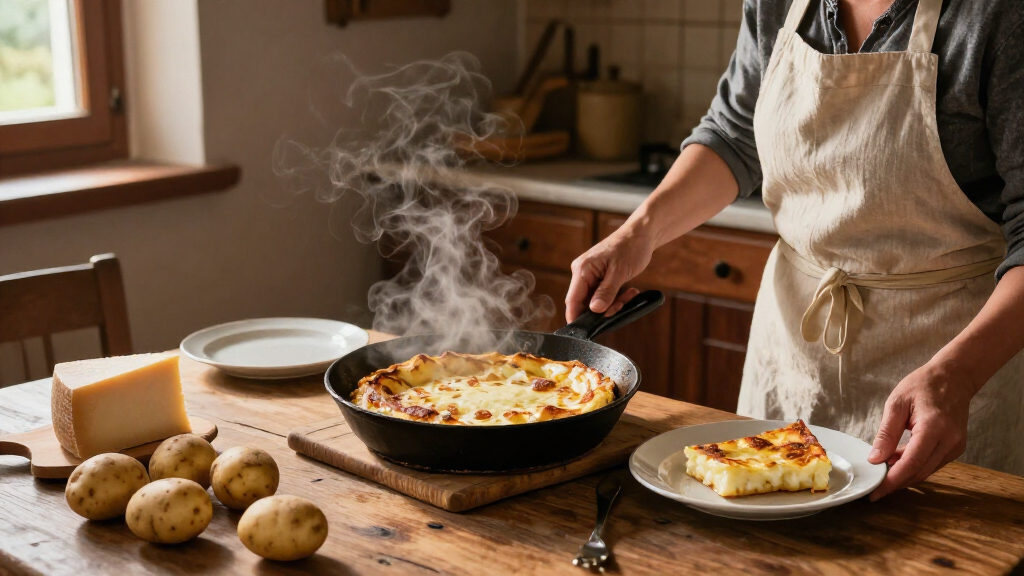
Frico, the traditional potato-and-cheese dish associated with Friuli in northeastern Italy, comes in two distinct forms: a tender-centered pancake called frico morbido and a thin, crisp cheese wafer called frico friabile. The Mad Tasting guide focuses on the pancake, describing how to cook tender potatoes with grated cheese and brown the mixture slowly so it holds together without losing its soft middle.
The Mad Tasting guide identifies Montasio, a cow’s-milk cheese produced in Friuli and neighboring areas, as the classic choice for frico. It describes younger Montasio as milder and creamier when melted, while more mature cheese brings a sharper, more pronounced taste. The guide says finely grating the cheese can help distribute it through the potatoes and bind the mixture.
For the pancake, the guide recommends cooking the potatoes until tender before relying on the cheese crust to hold the shape. It says potatoes can be thinly sliced for a layered result or grated for a more unified pancake. The mixture is then browned gradually on both sides. The source emphasizes patience with the heat: the outside needs time to set and brown while the interior remains soft.
The guide says Montasio is not the only possible option: a melting, semi-hard Alpine-style cheese can substitute, though the flavor will differ from the Friulian version. It cautions against using only a very fresh, watery cheese, which may release moisture and make the crust less crisp or the pancake harder to turn. The guide recommends serving the dish hot, often with polenta or salad; it describes a medium pancake as a meal for two, though that serving estimate depends on appetite and sides.
Frico: Friuli’s Crispy Cheese-and-Potato Pancake
Frico names two distinct Friulian dishes: a soft potato-and-cheese pancake and a crisp cheese wafer. The guide offers practical cooking advice for the pancake.
Two forms, different textures
Check the name and description: the guide’s cooking tips apply to the pancake, not the wafer.
- Potato-and-cheese pancake
- Browned outside, soft center
- Thin, crisp cheese wafer
- May be served as a snack or garnish
Choose cheese for the result
Cheese age affects flavor; moisture affects how the pancake sets.
Montasio
Younger cheese melts milder and creamier; mature cheese tastes sharper.
Semi-hard Alpine-style
A melting cheese can work, though the flavor will differ.
Very fresh cheese
Watery cheese may release moisture and make the crust less crisp.
Cook the pancake patiently
Tender potatoes and gradual browning help the pancake hold together while its middle stays soft.
Cook until tender. Slice thinly for layers or grate for a more unified pancake.
Fine grating can help distribute the cheese and bind the mixture.
Cook gradually so the outside sets while the interior remains soft.
Serve and describe it clearly
The guide suggests serving the pancake hot, often with polenta or salad.
- Call the soft-centered pancake frico morbido.
- A medium pancake is described as a meal for two; appetite and sides vary.
- The supplied guidance does not give exact quantities, cooking times, or pan details.
A Dish With Two Distinct Forms
The distinction between frico morbido and frico friabile matters because the shared name can describe very different textures and ways of serving the food. The Mad Tasting guide describes one as a substantial pancake with a soft potato-and-cheese middle and the other as a crisp wafer made mainly from cheese. It advises checking a menu description when the preparation is not clear.
For home cooks, the practical point is that a short ingredient list does not remove the need for technique. The guide says potato tenderness, cheese moisture and steady heat affect whether the pancake browns evenly and stays intact when turned. It also notes that choosing the cheese’s age shifts the flavor, from mild and creamy toward sharper and more savory. These details help readers decide what kind of frico they want, rather than treating every dish with that name as interchangeable.
The Mad Tasting guide presents frico as traditional food associated especially with Carnia, a mountainous area of Friuli, and connects its ingredients to local dairy traditions. It describes potatoes as a way to make cheese into a filling meal. This is culinary context provided by the guide; it does not cite historical records or other evidence establishing a detailed account of the dish’s origins.
Products Worth Considering

Cuisinart 2-in-1 Portable Outdoor Electric Grill, CEG-115

Breville Smart Grinder Pro Conical Burr Coffee Grinder, Brushed Stainless Steel
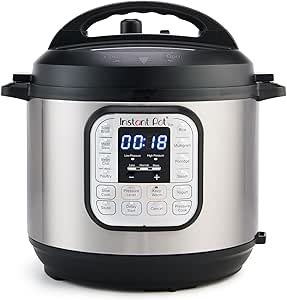
Instant Pot Duo 6 Qt 7-in-1 Electric Pressure Cooker, Stainless Steel
As an affiliate, we earn on qualifying purchases.
Montasio and Friulian Cooking
The Mad Tasting guide places frico within the food traditions of Friuli and highlights Carnia in particular. It describes the dish as a practical combination of potatoes and local cheese, with recipes varying among households. According to the guide, differences in potato preparation, cheese age and other additions can change the texture and taste while keeping the basic format recognizable.
The guide distinguishes two named styles that share browned cheese but not the same result. Frico morbido is the soft-centered potato pancake addressed by its cooking advice. Frico friabile is the crisp, thin cheese preparation, which may be eaten as a snack or used as a garnish. The source does not give a recipe for the wafer, so its preparation should not be inferred from the pancake instructions.
The supplied article is a food guide, not a report of a newly announced cultural designation, restaurant opening or change in food policy. Its news value is limited to explaining a regional dish and offering practical guidance. The material does not include a publication date, named expert interviews or independently documented historical claims.
What the Guide Does Not Establish
The Mad Tasting guide does not identify a new event behind its discussion of frico, and the supplied material gives no publication date or reporting timeline. It also does not cite a historian, producer or regional authority for the dish’s history or its association with Carnia. Those points are presented as background by the guide rather than supported with named external sources.
The cooking directions supplied are partial: the material recommends tender potatoes, grated cheese and gradual browning but cuts off while beginning a preparation step. It does not provide full ingredient quantities, exact cooking times, a pan size or a reliable temperature. Results will vary with potato thickness, cheese moisture, pan and stove. The serving estimate of a pancake for two is also a guide, not a standardized portion.
The source offers no specific food-safety instructions for storage or reheating. Readers should not treat the texture advice as a substitute for safe handling: refrigerate leftovers promptly in a covered container and reheat them thoroughly before eating. No nutrition, allergen or medical claims are substantiated in the material; the named ingredients include dairy, so the dish contains milk.
How to Use the Cooking Guidance
For a first attempt, the Mad Tasting guide’s advice points toward a simple test: select a melting cheese, cook the potatoes until tender, and brown the pancake over moderate heat rather than rushing the crust. A small trial portion can show whether a substitute cheese melts and browns cleanly before the full mixture goes into the pan. The guide notes that sharper, aged cheese can be more pronounced and salty, so season cautiously.
Serve the pancake hot, with polenta or salad as suggested by the guide, and describe it accurately as frico morbido if distinguishing it from the crisp wafer. The source does not announce a follow-up report or a forthcoming event. Any fuller recipe would need to specify ingredient amounts, cooking times and pan details that are not included in the supplied material.
Key Questions
What is frico?
Frico is a traditional dish associated with Friuli in northeastern Italy. As the Mad Tasting guide explains, the name can refer either to a soft potato-and-cheese pancake or to a crisp cheese wafer.
What is the difference between frico morbido and frico friabile?
The Mad Tasting guide describes frico morbido as the soft-centered pancake made with potatoes and cheese, and frico friabile as a thin, crisp preparation made mainly from cheese.
Which cheese is used for frico?
The guide names Montasio as the classic cheese. It says a melting, semi-hard Alpine-style cheese can be used as a substitute, but the flavor will differ; a very fresh, watery cheese may release moisture.
How do you serve frico?
The Mad Tasting guide recommends serving the potato-and-cheese pancake hot, with polenta or salad. It describes a medium pancake as a meal for two, though portions depend on appetite and accompaniments.
Does frico contain common allergens?
The ingredients described in the guide include cheese, so frico contains milk. The source does not provide a complete recipe or a full allergen assessment; check all ingredient labels for additional allergens.
Source: Mad Tasting