
To guarantee safe home fermentation, always prioritize cleanliness by thoroughly sanitizing equipment and handling ingredients with clean hands. Use food-grade containers, check for ingredient freshness, and avoid cross-contamination. Monitor your ferment closely for signs of spoilage like mold, bad odors, or sliminess, and discard any unsafe batches immediately. Keep the environment at proper temperatures and store your ferments properly. Staying vigilant about these safety rules helps you produce delicious and safe fermented foods every time—if you keep these tips in mind, you’ll master fermentation safely.
Key Takeaways
- Use clean, food-grade containers like glass or food-safe plastics to prevent contamination during fermentation.
- Always check ingredient freshness and discard any with mold, discoloration, or sliminess to ensure safety.
- Maintain proper hygiene by sanitizing tools and surfaces and handling ingredients with clean hands.
- Monitor fermentation conditions such as temperature and pH to prevent spoilage and microbial growth.
- Discard batches showing mold, foul odors, or unusual textures immediately to avoid health risks.
Why Safe Home Fermentation Matters
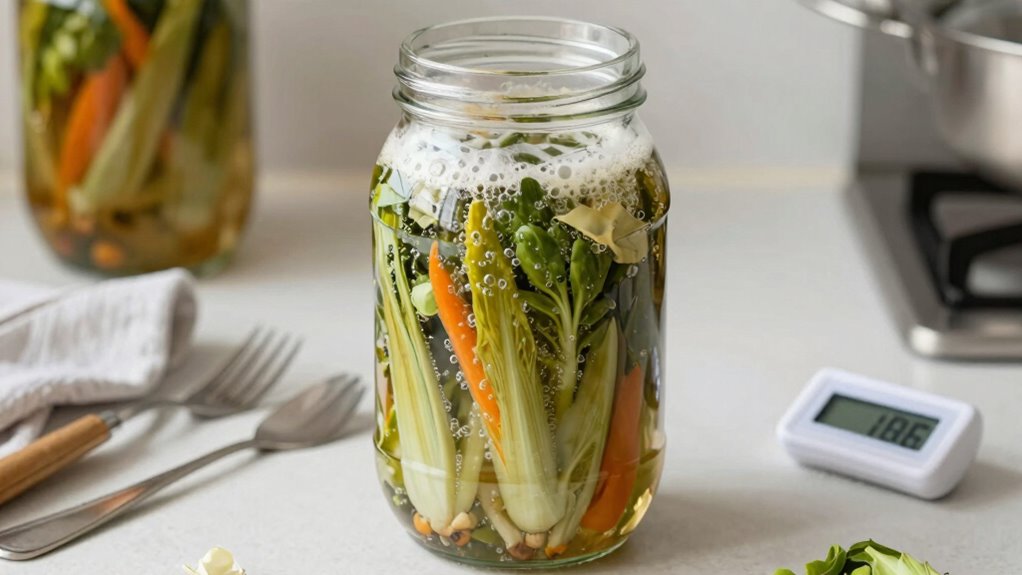
Although home fermentation is a simple way to preserve and enjoy fresh foods, safety should always come first. Throughout history, fermentation has played a crucial role in many cultural practices worldwide, helping communities store food and enhance flavors. Understanding the fermentation history reveals how ancient methods relied on natural microbes, which worked well when proper techniques were used. Today, following these traditional practices carefully ensures your fermented foods are safe and healthy. Proper equipment and tools are essential for maintaining hygiene and preventing contamination during fermentation. Using suitable containers designed for fermentation can help prevent spoilage and ensure proper fermentation conditions. Additionally, maintaining a clean workspace minimizes the risk of introducing harmful microbes into your ferment. Proper temperature control is also vital to prevent the growth of dangerous bacteria and ensure successful fermentation. Maintaining optimal pH levels helps inhibit the growth of pathogens and supports beneficial microbes. Improper handling or neglecting safety can lead to harmful bacteria growth, risking illness. By respecting the cultural significance of fermentation and sticking to safe methods, you protect yourself and preserve this valuable culinary tradition. Prioritizing safety allows you to enjoy the benefits of fermentation without unnecessary risks.
Understanding Contamination Risks in Fermentation
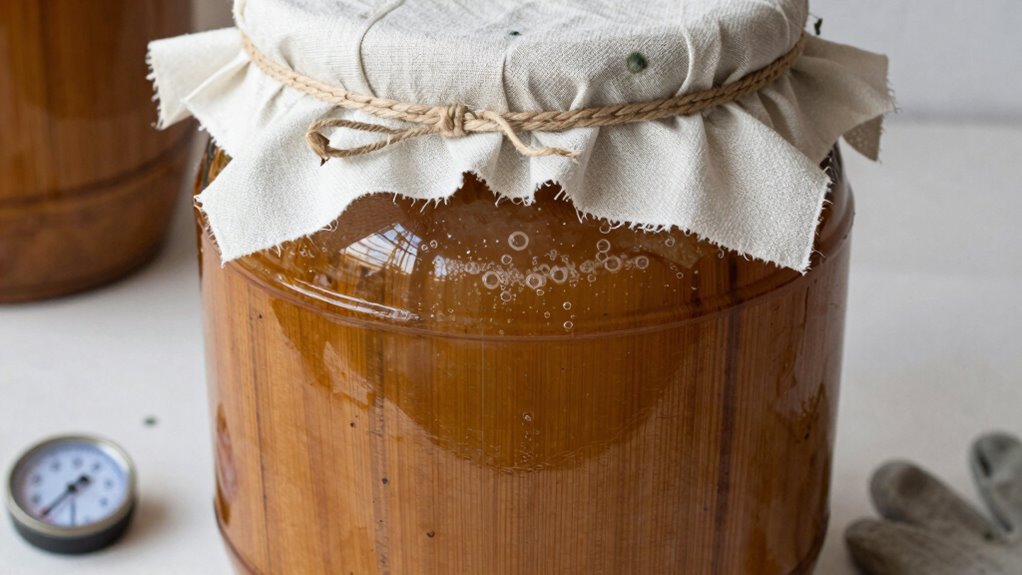
You need to be aware of common contamination sources like unclean equipment or exposed ingredients that can introduce unwanted bacteria. Watch for signs of spoilage, such as off smells, mold, or unusual colors, which indicate fermentation has gone wrong. Staying vigilant helps you prevent contamination and guarantees safe, successful fermentation. Implementing proper contingency plans can further mitigate risks during fermentation processes. Additionally, maintaining hygienic practices throughout the process is essential to prevent cross-contamination and ensure a healthy fermentation environment. Ensuring proper airflow around fermentation vessels can also help control unwanted microbial growth. Regularly monitoring temperature control can help maintain optimal conditions and prevent spoilage, especially with the use of smart home technology to automate and track environmental factors.
Common Contaminant Sources
Contamination sources in fermentation can come from various places, posing risks to your batch’s success. Surface contamination is a common entry point, often introduced through unclean equipment or containers. Microbial sources, such as wild yeasts, bacteria, or molds, can accidentally enter during handling or from the environment. Raw ingredients like fruits, vegetables, or grains may harbor unwanted microbes if not properly sanitized. Even your hands or utensils can transfer contaminants if not thoroughly cleaned. Airborne particles also pose a threat, especially in less controlled environments. Recognizing these sources helps you take proactive steps to minimize contamination risks. Proper sanitation, diligent cleaning, and careful handling are essential to keep your fermentation safe and successful. Additionally, understanding the sources of contamination specific to your ingredients and environment can further enhance your safety measures. Implementing hygienic practices throughout the process is crucial for maintaining a healthy fermentation environment, as paying attention to environmental cleanliness can significantly reduce the chances of unwanted microbial intrusion. Regularly monitoring your environment for potential contamination sources can help catch issues early before they affect your batch. Maintaining awareness of contamination pathways allows for more targeted prevention strategies, safeguarding your fermentation process.
Signs of Spoilage
Recognizing the signs of spoilage is essential to guarantee your fermentation remains safe and successful. Visual spoilage often appears as mold, strange colors, or slimy textures on the surface or inside your jar. These are clear indicators that contamination has taken hold. Odor indicators are equally important; foul, rotten, or off-putting smells suggest harmful bacteria or mold growth. Fresh ferments typically have a pleasant, tangy aroma, so any sour or pungent odor outside this range warrants concern. Always inspect your ferment carefully before consuming. If you notice mold, unusual coloration, or unpleasant odors, discard the batch immediately. Staying vigilant about visual spoilage and odor indicators helps prevent health risks and ensures your fermented foods stay safe and delicious.
Essential Hygiene and Sanitization Tips
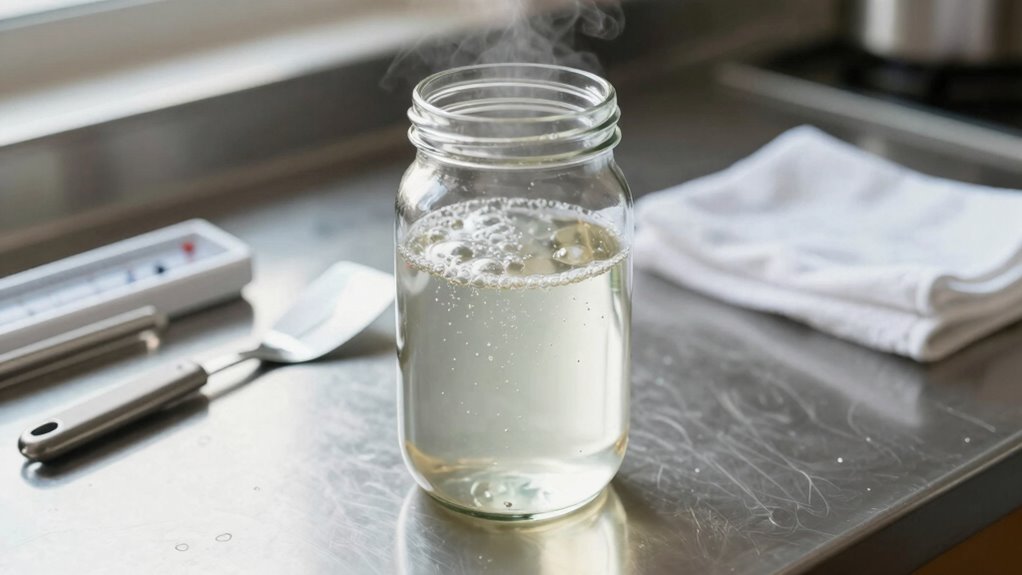
Maintaining proper hygiene and sanitization is crucial to guarantee successful fermentation and prevent unwanted bacteria or mold from taking hold. You should establish consistent cleaning routines and use effective sanitization methods to keep your equipment and workspace sterile. Always wash your fermentation vessels, tools, and hands thoroughly before starting. Use sanitizers recommended for fermentation to eliminate harmful microorganisms without leaving residues. Remember, even small lapses can lead to spoilage. Here’s a quick comparison:
| Cleaning Routines | Sanitization Methods |
|---|---|
| Wash with hot water and soap | Use food-grade sanitizer |
| Rinse thoroughly | Air dry or wipe with sterile cloth |
| Remove residues promptly | Ensure complete coverage |
| Regularly clean surfaces | Follow manufacturer’s instructions |
| Check for buildup | Re-sanitize periodically |
Adhering to these tips keeps your fermentation safe and successful. Proper hygiene practices are essential in preventing contamination and ensuring your fermentation process remains safe and effective. Incorporating proper sanitation techniques not only helps maintain a sterile environment but also promotes consistent fermentation results. Regular cleaning and sanitation are vital to preventing the growth of unwanted bacteria or mold, which can compromise your fermentation. Additionally, understanding the 16PF traits can help you recognize personal tendencies that influence your handling of hygiene and safety procedures during fermentation. Developing a hygiene routine tailored to your fermentation setup can further enhance safety and consistency.
Choosing Equipment and Ingredients Safely
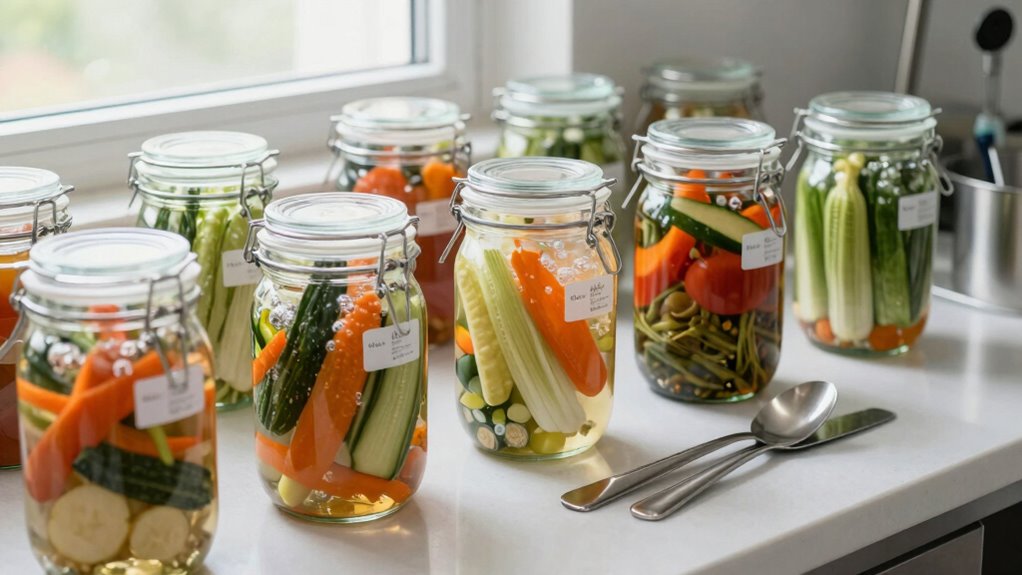
When selecting equipment and ingredients for fermentation, make certain everything is food-grade to prevent contamination. Always check that your ingredients are fresh and free from spoilage to ensure safe results. Additionally, keep your workspace clean and avoid cross-contamination by using separate tools for different ingredients. Incorporating proper auditory feedback techniques can also help in maintaining accurate measurements and procedures during fermentation. Being aware of electric bike performance characteristics can help you select suitable equipment that aligns with your safety and efficiency needs. Ensuring that your tools and containers are food-grade materials is essential for safe fermentation practices. Regularly inspecting your equipment for water quality issues can further reduce the risk of contamination in your fermentation process. Moreover, monitoring equipment maintenance routines can help prevent unexpected failures that might compromise safety.
Selecting Food-Grade Materials
Choosing the right equipment and ingredients is essential for safe and successful fermentation. You must guarantee everything is food-grade to prevent contamination and spoilage. Use food-grade plastics or stainless steel cookware, which won’t react with acids or produce harmful chemicals. Avoid non-food-grade materials like regular plastics or painted metals. Selecting proper tools keeps your fermentation safe and your flavors pure.
| Material Type | Safe for Fermentation | Why It Matters |
|---|---|---|
| Food grade plastics | Yes | Prevents chemical leaching |
| Stainless steel cookware | Yes | Durable, non-reactive |
| Non-food-grade plastics | No | Risks contamination |
| Painted or galvanized metals | No | Can release toxins |
| Glass jars | Yes | Easy to clean, inert |
Checking Ingredient Freshness
Making sure your ingredients are fresh is essential for successful fermentation, as old or spoiled produce can introduce undesirable bacteria or mold. When selecting a fresh ingredient, perform a quality assessment by inspecting its appearance, smell, and texture. Look for signs of spoilage, such as mold, discoloration, or an off-putting odor. Firmness and vibrancy are good indicators of freshness, especially for vegetables and fruits. If any item feels slimy, soft, or has dark spots, it’s best to discard it. Using fresh ingredients reduces the risk of contamination and ensures a safer fermentation process. Always choose produce that looks healthy and smells clean. Remember, high-quality ingredients lead to better fermentation results and a more enjoyable final product.
Avoiding Cross-Contamination
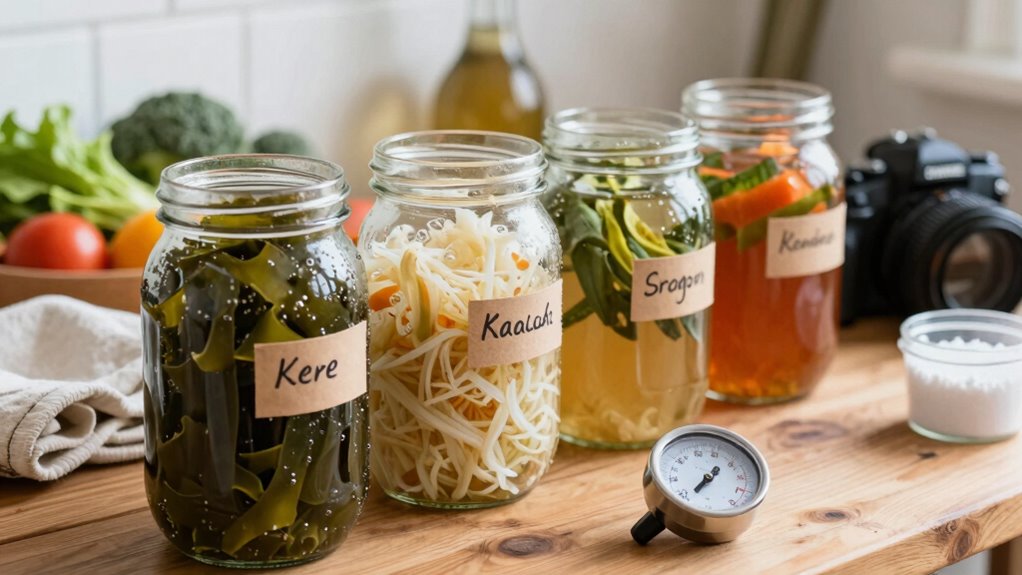
To prevent cross-contamination during fermentation, you need to be diligent about selecting clean, food-safe equipment and ingredients. Follow strict cleaning protocols for all utensils, jars, and surfaces before use, guaranteeing no residue or bacteria remain. Check ingredients carefully, especially if you or others have allergies; allergen awareness is vital to avoid dangerous reactions. Use separate cutting boards and utensils for different ingredients when necessary. Label equipment and ingredients to prevent mix-ups. Store raw ingredients separately from finished ferments to avoid accidental contamination. Regularly sanitizing your equipment minimizes risks. Being vigilant about cleaning and allergen awareness helps keep your fermentation process safe and your ferments healthy. Taking these precautions ensures a successful, contamination-free fermentation experience.
Monitoring Your Fermentation for Safety
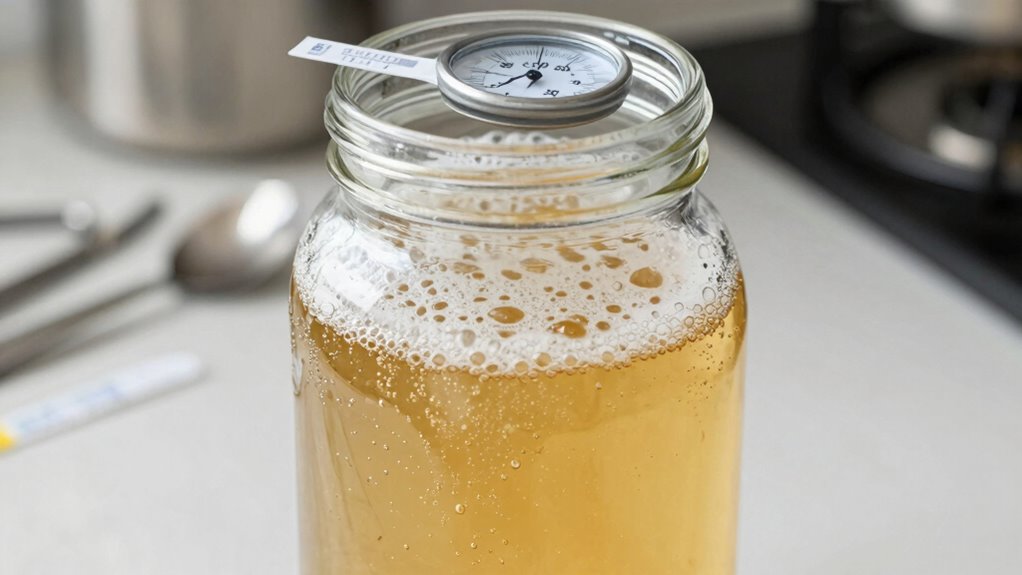
Monitoring your fermentation closely is vital to guarantee it remains safe and produces the desired results. Keep an eye on the fermentation temperature, making sure it stays within the ideal range for your specific culture. Fluctuations outside this range can slow down fermentation or encourage unwanted bacteria. Regular pH monitoring helps you track acidity levels, which is essential for safety and quality control. A stable, appropriate pH prevents the growth of harmful microbes. Use a thermometer and pH meter for accurate readings, checking them consistently throughout the process. If you notice temperature spikes or pH levels drifting outside safe limits, take immediate action. Staying vigilant with these measurements helps you catch potential problems early and ensures your fermentation stays safe and successful.
How to Spot and Handle Unsafe Fermentation
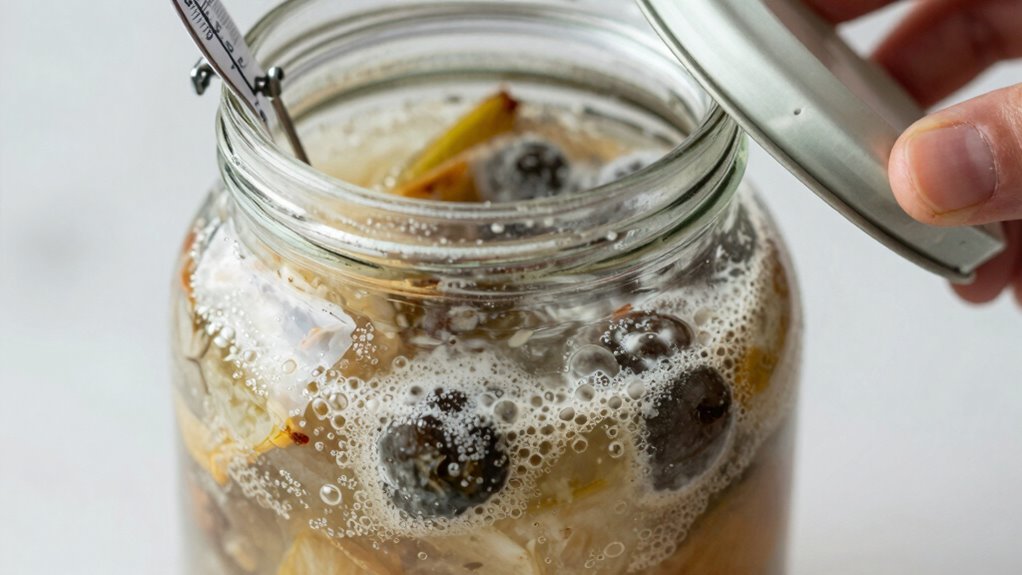
If you notice unusual odors, discoloration, or the presence of mold during fermentation, it’s a clear sign that something has gone wrong. Wild fermentation relies on natural yeasts and bacteria, which can sometimes produce unsafe byproducts if conditions aren’t ideal. If the smell is rotten or off, or if mold appears, discard the batch immediately. When using starter cultures, ensure they’re fresh and properly stored; contaminated starters can lead to unsafe fermentation. Always trust your senses—sight, smell, and even taste (a tiny sample). If anything seems suspicious, don’t take risks. Properly handling unsafe fermentation involves discarding contaminated batches and cleaning your equipment thoroughly to prevent cross-contamination. Staying vigilant helps keep your fermented foods safe and enjoyable.
Proper Storage and Handling of Fermented Foods
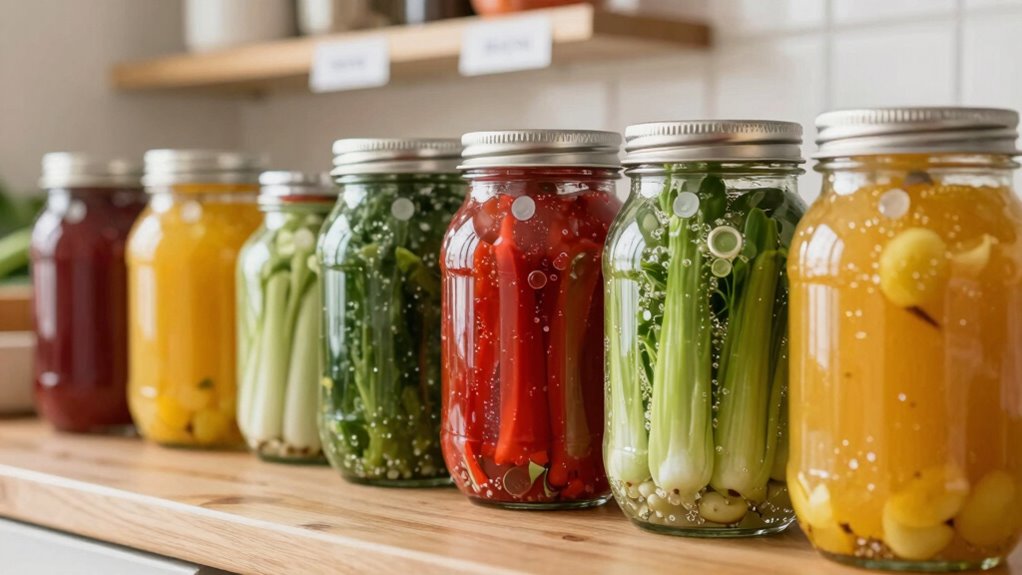
Proper storage and handling are essential to maintaining the safety and quality of your fermented foods. To avoid falling for fermentation myths, always keep your ferments in airtight containers and store them in a cool, dark place or refrigerator. Proper temperature control prevents unwanted bacteria and mold, ensuring safety. Be aware that flavor variations can occur if storage conditions differ, so consistency is key. Here are some tips to keep your ferments safe and tasty:
Store ferments in airtight containers in a cool, dark place for safety and quality.
- Use clean utensils to handle fermented foods
- Label jars with date and contents
- Avoid opening jars unnecessarily
- Check for signs of spoilage before consuming
Frequently Asked Questions
Can I Ferment Different Types of Foods in the Same Jar?
You can ferment different foods in the same jar, but watch out for cross contamination risks. Mixing foods with strong flavors or different fermentation times can lead to undesirable taste combinations. To keep your ferment safe and tasty, consider the flavor profile and verify each food’s fermentation process aligns. Always use clean utensils and monitor for any signs of spoilage. When in doubt, ferment separately to avoid risking your entire batch.
How Long Can Fermented Foods Be Stored Safely?
You can typically store fermented foods safely for several months in the fridge, usually up to 3 to 6 months, depending on the type. Keep an eye on spoilage indicators like off-odor, mold, or sliminess, which mean you should discard the product. Proper storage duration is key to maintaining safety and quality. Always use clean jars and check for signs of spoilage before consuming fermented foods.
Are There Specific Signs of Mold I Should Watch For?
Did you know that mold can develop in just 48 hours? When inspecting your fermented foods, look for mold identification signs like fuzzy, discolored spots—green, black, white, or blue. These contamination signs indicate mold growth, which can be harmful. If you spot any of these signs, discard the batch immediately. Regularly check your fermentations to guarantee safety and prevent potential health risks from mold contamination.
Is It Safe to Taste-Test During the Fermentation Process?
Yes, it’s safe to taste-test during fermentation, but do so carefully. Use clean utensils and start with small amounts to guarantee safety and enjoy your fermentation exploration. Always trust your senses; if it tastes off or smells strange, it’s best to discard it. Regular taste testing helps you learn how flavors develop, but prioritize safety by stopping if anything seems unusual, ensuring a successful fermentation journey.
What Are the Best Ways to Prevent Fermentation Odors?
To prevent fermentation odors, focus on fresh airflow and effective odor absorbers. Guarantee proper air circulation by using vents or fans, which keep gases moving away from your fermenting jars. Incorporate odor absorbers like charcoal or baking soda to absorb unpleasant smells. Regularly check your fermentation setup, seal containers tightly, and maintain cleanliness to keep odors at bay. Proper practices protect your space and ensure successful, odor-free fermentation.
Conclusion
Remember, safe fermentation is your garden’s gentle guardian, guiding each bubbling jar to flourish without chaos. By following these simple rules, you’re cultivating a symphony of flavors that’s both delightful and safe to enjoy. Think of it as tending a delicate dance—every step matters. With vigilance and care, your fermenting journey will bloom into a treasure trove of healthy, tasty foods, turning your kitchen into a sanctuary of flavor and safety.