🔍 Read the full analysis: Cicchetti And Ombra: The Venetian Art Of Bar Snacks And Small Glasses on Mad Tasting

Get kitchen staples and gadgets delivered free with Prime
- Fast, free delivery on millions of items
- Prime Video, Amazon Music and more included
- Member-only deals all year
TL;DR
Venice’s cicchetti are small, regional snacks enjoyed with ombra, a modest glass of house wine, in a social ritual called giro d’ombre. This tradition is integral to Venetian daily life and culture.
Venice’s centuries-old tradition of enjoying cicchetti, small Venetian snacks, paired with ombra, a modest glass of house wine, remains a vibrant social ritual in the city. For more details, see the original analysis. This practice, central to Venetian daily life, involves hopping between bacari (wine bars) in a process known as giro d’ombre, or a ’round of shadows.’ It is a key aspect of Venetian culinary culture that visitors often seek to experience firsthand. It is a culturally significant activity that combines affordability, social interaction, and local culinary heritage, and is increasingly being promoted as a key aspect of Venice’s authentic experience.
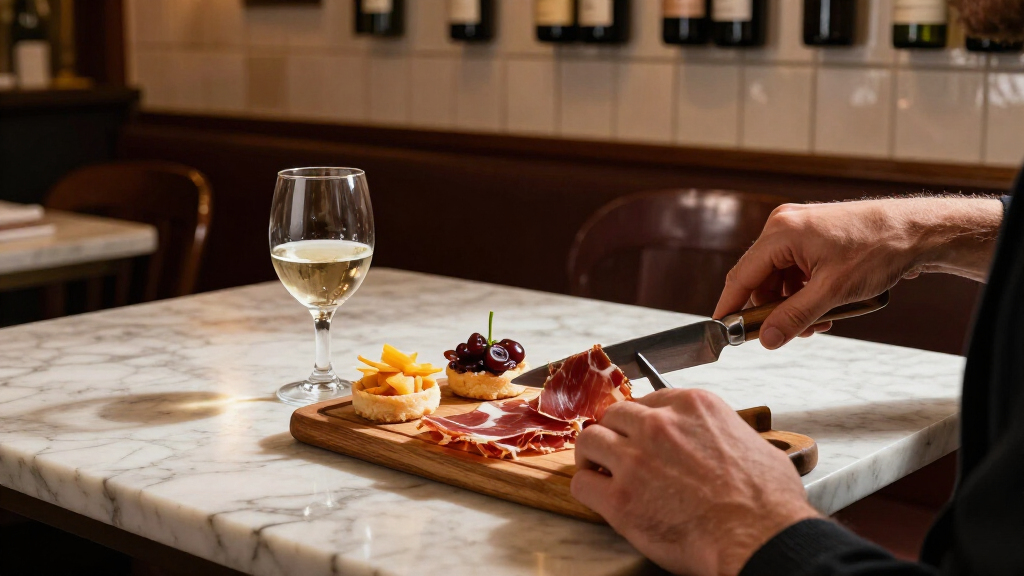
Cicchetti are small, diverse Venetian snacks that include dishes such as baccalà mantecato (whipped salt cod), sarde in saor (sweet-and-sour sardines), fried seafood, and small cured meats or cheeses. Unlike tapas, cicchetti are not simply miniature versions of full dishes but are specific to the Venetian bacaro culture, emphasizing regional ingredients and traditional recipes.
Ombra is a small glass of local wine, typically white, served in a simple tumbler, historically ordered by seeking the shade in the 1600s near St. Mark’s Square. The term means ‘shadow’ in Venetian dialect, referring to the practice of following the shade of the campanile to find cool spots for drinking. Today, ordering un’ombra means requesting a modest, usually local, house wine, often around 100 ml, at a low cost, generally one or two euros.
The giro d’ombre involves visiting multiple bacari, each offering different cicchetti and ombra, creating a social and culinary circuit that Venetians have practiced for generations. This activity is characterized by its affordability, mobility, and conviviality, with each stop lasting around 15 minutes, fitting Venice’s pedestrian-centric urban layout.
Cicchetti & Ombra: The Venetian Art of Bar Snacks and Small Glasses
In Venice, small regional snacks called cicchetti meet ombra — a modest glass of house wine whose name means “shadow.” Together they form the giro d’ombre, a centuries-old bar-hopping ritual woven into the fabric of Venetian daily life.
What Exactly Are Cicchetti?
Small, diverse Venetian snacks served at bacari — not miniature versions of full dishes, but recipes specific to bacaro culture, built on regional ingredients and traditional preservation methods from the city’s maritime and spice-trade past.
Baccalà Mantecato
Whipped salt cod, airy and creamy — arguably the definitive cicchetto of the Venetian bacaro counter.
Sarde in Saor
Marinated sardines with onions, raisins and pine nuts — a preservation technique rooted in the spice trade era.
Fritto Misto
Small fried seafood — squid, shrimp, and vegetables — served hot from the counter in paper cones or plates.
Salumi & Cheese
Small plates of local cured meats and cheeses, perfect for pairing with a simple glass of white wine.
Crostini & Polpette
Toasted bread topped with seasonal ingredients, plus Venetian-style meatballs eaten standing at the bar.
Regional Rotations
Menus shift with the lagoon’s seasons — each bacaro keeps its own specialties and house recipes.
Cicchetti vs. Spanish Tapas
Though often compared, cicchetti belong entirely to Venice’s bacaro culture — a distinct tradition with its own logic, setting, and pace.
| Feature | Cicchetti (Venice) | Tapas (Spain) |
|---|---|---|
| Setting | ✓ Standing at bacaro counters | ~ Seated or standing, taberna-style |
| Format | ✓ Snacks specific to bacaro culture | ✗ Often miniature full dishes |
| Wine pairing | ✓ Ombra — small tumbler of house wine | ✗ Vermouth, cañas, or full pours |
| Bar-hop ritual | ✓ Giro d’ombre, ~15 min per stop | ~ Tapeo, similar but distinct custom |
| Typical cost | ✓ Often less than a coffee | ~ Varies widely by region |
Why Is the Wine Called “Ombra”?
In the 1600s, wine sellers near St. Mark’s Square followed the shadow of the campanile to keep their wine cool. “Ombra” — shadow in Venetian dialect — became the word for a modest glass of local house wine, usually white, served in a simple tumbler.
Wine Sellers
Vendors set up near St. Mark’s Square in the 1600s.
Chasing Shade
They moved with the campanile’s shadow to keep wine cool.
“Un’ombra”
“A shadow” became shorthand for a glass of wine itself.
House Wine Today
~100 ml of local wine in a tumbler, for €1–2.
The Giro d’Ombre: A Round of Shadows
The giro d’ombre is a social and culinary circuit: hopping between bacari, each offering different cicchetti and ombra, practiced by Venetians for generations. Each stop lasts around 15 minutes — perfectly suited to the city’s pedestrian layout.
Enter the Bacaro
Order cicchetti from the counter and un’ombra at the bar — no reservations, no sitting required.
Move On Foot
After ~15 minutes, walk to the next bacaro — mobility and conviviality define the circuit.
Challenges & Preservation
The tradition remains vital, but tourism, commercialization, and shifting habits among younger generations put pressure on its authenticity.
Mass Tourism
Rising visitor numbers risk diluting authentic customs as some bacari adapt or commercialize the ritual for tourist consumption.
Changing Habits
It remains unclear how younger generations will sustain the practice amid evolving social routines and urban development pressures.
Sustainable Tourism
Authorities and cultural organizations promote cicchetti and ombra as authentic experiences central to Venice’s identity.
Cultural Initiatives
Guided tours, festivals, and educational programs for locals and visitors aim to keep traditional recipes and rituals alive.
Frequently Asked
Quick answers to the most common questions about Venice’s beloved bar ritual.
The essence: Cicchetti and ombra are more than eating and drinking — they are a form of social bonding and cultural expression, integrating Venice’s environment, history, and gastronomy into daily routine.
Q:What exactly are cicchetti?
Small Venetian snacks served at bacari — whipped salt cod, marinated sardines, fried seafood, cured meats, and cheeses — meant to be enjoyed socially alongside wine.
Q:Why is the wine called “ombra”?
It means “shadow” in Venetian dialect — from the 1600s practice of wine sellers following the shade of St. Mark’s Campanile to keep wine cool.
Q:How does the giro d’ombre work?
Visit multiple bacari in succession, each offering different cicchetti and ombra — each stop is brief, usually around 15 minutes.
Q:Are cicchetti and ombra expensive?
Generally no — often less than a typical coffee. An ombra usually costs €1–2 for about 100 ml of wine, making the tradition accessible to locals and tourists alike.
Q:Is this tradition still widely practiced today?
Yes — despite challenges from tourism and modernization, it remains a vital part of Venetian social life, with many bacari actively preserving it.
This tradition is a cornerstone of Venetian social life, fostering community, local identity, and culinary heritage. It exemplifies how Venetians integrate their environment, history, and gastronomy into daily routines, making it more than just eating and drinking — it’s a form of social bonding and cultural expression. As tourism increases, preserving and promoting authentic cicchetti and ombra practices helps maintain Venice’s unique character amidst modern pressures.
Venetian cicchetti serving platter
As an affiliate, we earn on qualifying purchases.
As an affiliate, we earn on qualifying purchases.
Historical Roots and Evolution of Venice’s Bar Snack Culture
Venice’s cicchetti culture dates back centuries, rooted in the city’s maritime history and spice trade, which influenced its cuisine’s flavors and preservation methods. The practice of drinking ombra originated in the 1600s when wine sellers sought shade to keep their wine cool, giving rise to the term and tradition. Over time, bacari became informal social hubs, where locals gathered for quick bites and drinks, reinforcing community bonds and local identity. Today, the tradition persists, blending historical customs with modern tourism and culinary trends.
Current Challenges and Future of the Tradition
While the practice remains vital to Venetian culture, it faces challenges from increasing tourism, commercialization, and the potential dilution of authentic customs. Some bacari may adapt or commercialize the tradition, risking loss of authenticity. It is also unclear how younger generations will continue this practice amid changing social habits and urban development pressures. Efforts to preserve traditional cicchetti recipes and the social ritual are ongoing but face uncertain futures.
Preservation and Promotion of Venetian Cicchetti Culture
Venetian authorities, cultural organizations, and local businesses are increasingly promoting cicchetti and ombra as a key part of sustainable tourism, emphasizing authentic experiences. Initiatives include guided tours, cultural festivals, and educational programs aimed at both locals and visitors. The future of this tradition depends on balancing tourism with cultural preservation, ensuring that the social and culinary essence of cicchetti and ombra endures for generations to come.
Key Questions
What exactly are cicchetti?
Cicchetti are small Venetian snacks typically served at bacari, including dishes like whipped salt cod, marinated sardines, small fried seafood, cured meats, and cheeses. They are meant to be enjoyed in social settings alongside wine.
Why is the wine called ‘ombra’?
The term ‘ombra’ means ‘shadow’ in Venetian dialect, originating from 1600s practices where wine sellers followed the shade of St. Mark’s Campanile to keep their wine cool. Today, it refers to a modest glass of local house wine.
How does the giro d’ombre work?
The giro d’ombre involves visiting multiple bacari in succession, each offering different cicchetti and ombra, creating a social circuit that embodies Venetian communal life. Each stop is brief, usually around 15 minutes.
Are cicchetti and ombra expensive?
Generally, cicchetti and ombra are affordable, often costing less than a typical coffee. An ombra usually costs around one or two euros for about 100 ml of wine, making it an accessible tradition for locals and tourists alike.
Is this tradition still widely practiced today?
Yes, although it faces challenges from tourism and modernization, the practice remains a vital part of Venetian social life, with many bacari actively promoting and preserving the tradition.
Source: Mad Tasting
Fall Picks
fall essentials
As an affiliate, we earn on qualifying purchases.