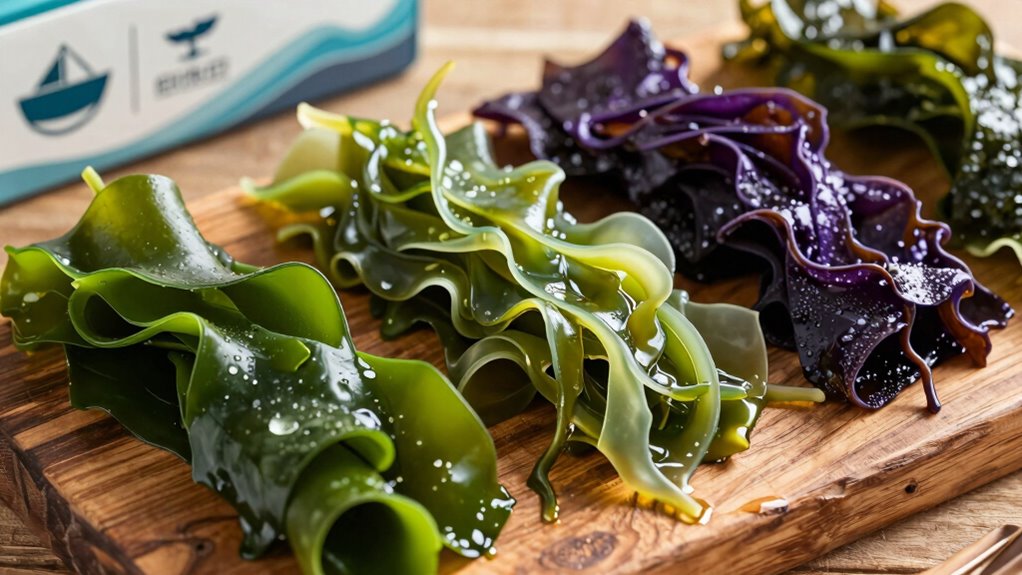

Choosing seafood alternatives like seaweed and sea vegetables supports ocean health and sustainability. These options grow naturally, require no freshwater or feed, and help reduce overfishing and habitat destruction. Responsible harvesting and eco-friendly aquaculture practices guarantee these plants benefit marine ecosystems while providing you with nutritious, versatile food choices. By making informed decisions, you can promote biodiversity and help preserve our oceans. Keep exploring to discover how your choices can make a real difference for our planet.

Get kitchen staples and gadgets delivered free with Prime
- Fast, free delivery on millions of items
- Prime Video, Amazon Music and more included
- Member-only deals all year
Key Takeaways
- Seaweed and sea vegetables are sustainably harvested, requiring no fresh water or feed, reducing environmental impact.
- Incorporating seaweed supports ocean conservation by promoting habitat health and water quality.
- Choosing responsibly farmed seafood options minimizes pollution, habitat destruction, and overfishing.
- Nutrient-rich and versatile, seaweed offers healthy, plant-based alternatives to traditional seafood.
- Consumer choices influence industry practices, encouraging sustainable aquaculture and ocean-friendly products.
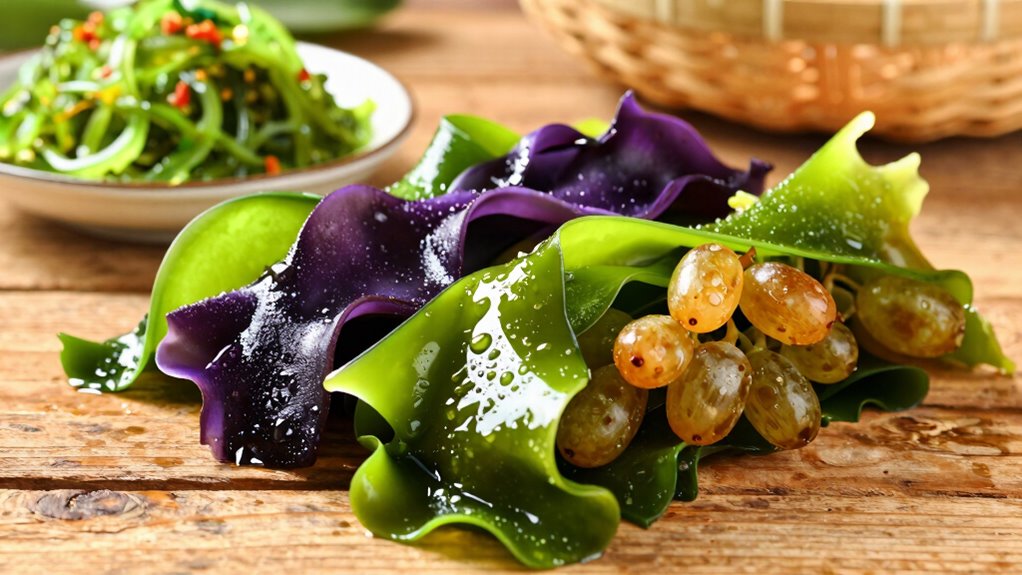
Have you ever wondered if there’s a sustainable way to enjoy seafood without harming our oceans? The good news is that, yes, there are alternatives that support ocean conservation while satisfying your seafood cravings. One of the most promising options is turning to seaweed and other sea vegetables. These aquatic plants grow naturally in the ocean and can be harvested sustainably, making them an excellent choice for eco-conscious consumers. Unlike traditional seafood, seaweed farming doesn’t require feed or fresh water, and it actually benefits marine ecosystems by providing habitat and improving water quality. Incorporating seaweed into your diet helps reduce pressure on overfished species and promotes a more balanced ocean environment.
Seaweed and sea vegetables offer sustainable, nutritious options that support ocean health and reduce overfishing.
When considering seafood alternatives, it’s essential to look at how aquaculture practices impact ocean health. Many fish farms can cause environmental issues, such as water pollution, habitat destruction, and the spread of diseases. However, responsible aquaculture—often called sustainable aquaculture—aims to minimize these effects. By choosing products from farms that follow strict standards, you support practices that prioritize ocean conservation. These practices include using eco-friendly feed, reducing chemical use, and ensuring proper waste management. When you make informed choices, you encourage the industry to adopt more sustainable aquaculture practices, which ultimately helps preserve marine biodiversity and keeps our oceans healthy. Responsible farming practices**** are key to ensuring aquaculture remains a sustainable solution.
Seaweed and sea vegetables aren’t just sustainable; they’re also versatile and nutritious. You can add them to salads, soups, smoothies, or even snack on dried varieties. They’re rich in vitamins, minerals, and antioxidants, offering health benefits that complement their environmental advantages. As more people shift towards plant-based and sustainable foods, seaweed stands out as a nutrient-dense option that reduces reliance on traditional seafood, which is often caught through methods that harm ocean ecosystems. Additionally, sustainable harvesting practices ensure that these vital marine resources are protected for future generations. Incorporating sea vegetables into your diet can also help promote marine biodiversity and support healthy ocean ecosystems. Furthermore, understanding the impact of aquaculture on ocean health can guide consumers to make more environmentally responsible choices. Promoting ocean-friendly choices can lead to a healthier planet for all living creatures.
Choosing seafood alternatives like seaweed and supporting sustainable aquaculture isn’t just good for your health; it’s a proactive step toward protecting our oceans. When you prioritize products that are farmed or harvested responsibly, you help reduce overfishing, minimize habitat damage, and promote biodiversity. Your choices can influence industry standards, encouraging more sustainable practices across the board. So, next time you’re at the grocery store or ordering at a restaurant, consider opting for these ocean-friendly alternatives. Your decisions matter—by choosing wisely, you contribute to a future where seafood can be enjoyed without compromising the health of our planet’s essential marine ecosystems.
As an affiliate, we earn on qualifying purchases.
Frequently Asked Questions
Are Seaweed Products Safe for People With Iodine Allergies?
If you have iodine sensitivity or an allergy, seaweed products might not be safe for you. They contain high levels of iodine, which can trigger allergic reactions or worsen allergy management. Always consult your healthcare provider before trying seaweed or sea vegetables if you’re concerned about iodine allergies. They can help you determine which seafood alternatives are safe and guide you on managing your iodine sensitivity effectively.
How Do Seaweed Farming Practices Impact Local Ecosystems?
Have you ever wondered how your seafood choices affect marine ecosystems? Seaweed farming, when done responsibly, can support marine biodiversity by providing habitats and reducing ocean acidification. However, poor farming techniques, like unmanaged nutrient runoff or habitat destruction, can harm local ecosystems. Sustainable practices help maintain healthy ecosystems, while destructive methods threaten marine life. So, choosing farms that prioritize eco-friendly farming techniques guarantees your seafood benefits both you and the environment.
Can Sea Vegetables Replace All Types of Traditional Seafood?
Sea vegetables can’t replace all traditional seafood, but they offer impressive algae nutritional benefits and versatile culinary uses. You can incorporate seaweed into soups, salads, and snacks, enjoying its unique flavor and health perks. While they provide a sustainable and nutritious alternative, some seafood’s texture and taste are hard to replicate. So, sea vegetables complement rather than completely replace traditional seafood in your diet.
What Are the Cost Differences Between Seaweed and Conventional Seafood?
Seaweed generally costs considerably less than traditional seafood, with market prices often 50% lower or more. In a cost comparison, seaweed’s affordability appeals to consumers and industries alike, making it an economical choice. Its lower price point stems from easier cultivation and faster growth rates. If you’re considering sustainable options, seaweed offers a budget-friendly alternative without sacrificing nutrition or flavor, and its market prices tend to stay more stable than those of conventional seafood.
How Can Consumers Ensure Sustainable Seaweed Sourcing?
You can guarantee sustainable seaweed sourcing by checking for Seaweed certification from reputable organizations, which guarantees responsible practices. Always choose brands that emphasize sustainable harvesting methods, avoiding overharvesting or environmental damage. Research suppliers’ sustainability policies, and favor those committed to eco-friendly practices. Supporting certified and sustainably harvested seaweed helps protect marine ecosystems, promotes responsible industry standards, and ensures you’re making environmentally conscious choices when incorporating seaweed into your diet.
Conclusion
By choosing seaweed and sea vegetables as alternatives, you can enjoy seafood’s flavors without harming our oceans. These options are not only sustainable but also packed with nutrients. As you consider your next meal, ask yourself: are you ready to make a positive impact on the environment while satisfying your taste buds? Making small changes in your diet can lead to a healthier planet—so why not start today?
Halloween Picks
halloween
As an affiliate, we earn on qualifying purchases.