
TL;DR

Get kitchen staples and gadgets delivered free with Prime
- Fast, free delivery on millions of items
- Prime Video, Amazon Music and more included
- Member-only deals all year
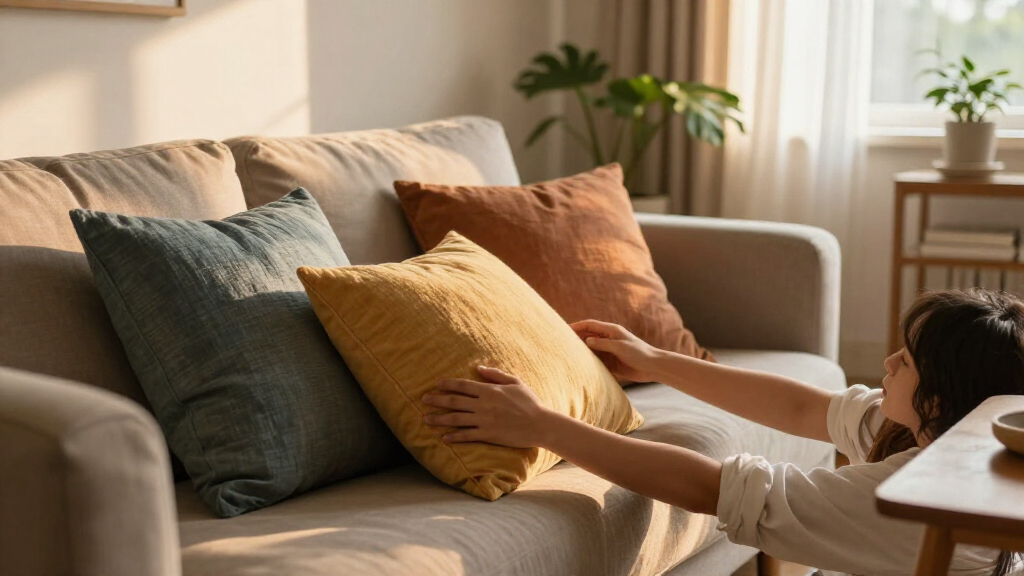
In 2026, the market offers a variety of nontoxic throw pillows made from organic, natural, and handcrafted materials. These options prioritize safety, sustainability, and style, helping consumers create healthier home environments.
Consumers seeking safer, environmentally friendly home decor now have access to a curated selection of nontoxic throw pillows in 2026, with brands emphasizing organic, natural, and handcrafted materials. Check out our outdoor throw pillows guide for more options. These pillows are designed to enhance home aesthetics while prioritizing health and sustainability, making them a popular choice for eco-conscious shoppers.
The collection includes options from brands like Sabai, which offers pillows made from 100% hemp and recycled fabrics, and Coyuchi, known for its GOTS-certified organic cotton and linen covers. For more eco-friendly home decor ideas, visit our outdoor throw pillows article. Lorena Canals specializes in handcrafted, playful designs using natural fibers, many of which are machine washable. Pepper Home provides customizable pillows made to order in the USA, featuring a variety of fabrics including performance textiles. Burrow offers stain-resistant, OEKO-TEX certified performance fabrics in styles that suit modern decor, while Kiliim presents handcrafted Egyptian-inspired designs made from 100% wool. Lastly, 54kibo showcases colorful, artisanal pillows from African and UK artisans, emphasizing unique craftsmanship.
These brands prioritize safety by avoiding synthetic chemicals, flame retardants, and VOCs. Many pillows are made with natural fibers like hemp, organic cotton, wool, and linen, and are produced in fair trade or eco-friendly factories. Prices range from approximately $40 to over $80, with options for custom sizing and designs. Discover more styling tips in our outdoor throw pillows guide.
Why Nontoxic Pillows Are a Growing Home Essential
Choosing nontoxic throw pillows aligns with increasing consumer awareness of indoor air quality and health. These pillows reduce exposure to synthetic chemicals, flame retardants, and VOCs, which can impact respiratory health and allergies. As more households prioritize sustainability and safety, brands that offer natural, handcrafted, and eco-friendly options are gaining market share, influencing broader home decor trends. This shift not only benefits individual health but also supports ethical manufacturing practices and environmental conservation.
As an affiliate, we earn on qualifying purchases.
Market Trends and Consumer Demand in 2026
Over recent years, there has been a significant rise in demand for eco-friendly and non-toxic home products. The market for natural textiles and handcrafted decor has expanded, driven by increased awareness of chemical exposure and environmental impact. Brands like Sabai and Coyuchi have led the way with certifications such as GOTS and OEKO-TEX, ensuring safety and sustainability. The trend toward personalized and artisanal home accessories has also grown, with consumers seeking unique, durable pieces that reflect their values. This development reflects a broader movement toward healthier living spaces and responsible consumption.
“Our hemp pillows are naturally hypoallergenic and free from harmful chemicals, making them ideal for allergy sufferers.”
— Sabai Design spokesperson
Remaining Questions About Nontoxic Pillow Availability and Certification
While many brands claim to prioritize safety and sustainability, some details remain unverified, such as the full extent of their chemical testing and certification processes. It is unclear how consistently these standards are applied across all collections or whether some products meet the highest eco-label criteria. Additionally, the long-term durability and care requirements of certain natural fibers in everyday use are still being evaluated by consumers and experts.
Future Developments in Nontoxic Home Decor for 2026 and Beyond
Expect continued innovation in natural and sustainable materials, with brands expanding their offerings to include more customizable and affordable options. Certification standards are likely to become more transparent, helping consumers make informed choices. Additionally, the growth of direct-to-consumer and artisanal brands may lead to increased accessibility of handcrafted, nontoxic pillows that combine style, safety, and sustainability. Monitoring consumer feedback and industry certifications will be key to understanding the evolving landscape of safe home decor.
Key Questions
Are nontoxic throw pillows more expensive than conventional options?
Generally, nontoxic and organic pillows tend to cost more due to higher-quality materials and ethical manufacturing practices. Prices typically range from $40 to over $80, depending on the brand and customization options.
How can I verify that a pillow is truly non-toxic?
Look for certifications such as GOTS, OEKO-TEX, or Fair Trade. Reading product labels and brand transparency statements can also help ensure that the pillow is free from harmful chemicals and synthetic materials.
Are natural fiber pillows durable and easy to care for?
Many natural fiber pillows, especially those made from organic cotton, wool, or hemp, are durable and often machine washable. However, care instructions vary by material, so checking specific product guidelines is recommended.
Do handcrafted pillows from brands like Kiliim last as long as mass-produced ones?
Handcrafted pillows, particularly those made from high-quality natural fibers, can be very durable if properly cared for. Their artisanal construction often results in unique, long-lasting pieces that can become heirlooms over time.
Source: rss
Fall Picks
fall essentials
As an affiliate, we earn on qualifying purchases.