
To boost your leafy greens juice yield and cut down on foam, pick greens like kale, spinach, or chard, harvest them young, and remove tough stems. Rinse thoroughly and juice slowly to prevent air bubbles. Adding a splash of lemon or cucumber helps reduce foam and enhances flavor. Using a masticating juicer and maintaining it well can make a difference. Keep experimenting with these tips, and you’ll find setups that maximize your harvest and minimize foam.
Key Takeaways
- Select tender, young greens like kale, spinach, or chard for higher juice yield and better quality.
- Rinse greens thoroughly and remove tough stems to improve juice extraction and reduce bitterness.
- Juice slowly and evenly, avoiding overfilling to minimize foam and maximize yield.
- Add a splash of lemon or cucumber juice to naturally suppress foam and enhance flavor.
- Regularly clean your juicer and strain the juice to prevent foam buildup and ensure smooth flow.

Cold Press Juicer Machine, 6.5" Large Feed Chute Masticating Extractor, Easy to Clean for Whole Fruits & Vegetables, High Yield
- 3-in-1 Versatility: Juice, nut milks, and fruit sorbets
- Large 6.5-inch Feed Chute: Juice whole fruits without cutting
- 100oz Mega Hopper: Batch juice for family
As an affiliate, we earn on qualifying purchases.
As an affiliate, we earn on qualifying purchases.
Which Leafy Greens Give You the Most Juice?

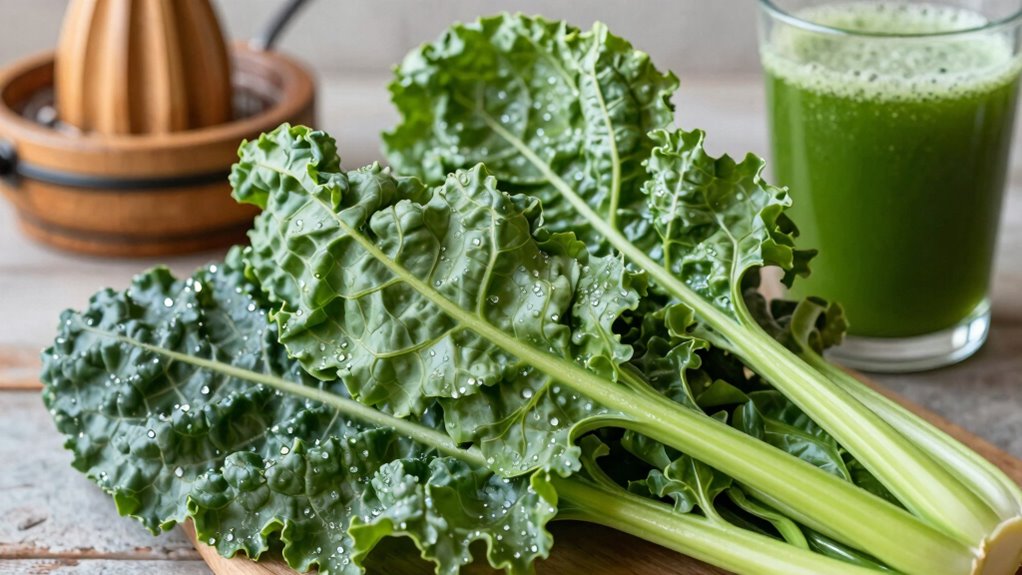
If you’re looking to maximize the amount of juice from your leafy greens, some varieties are better suited than others. Green varieties like kale, spinach, and chard tend to produce more juice due to their high water content and sturdy leaves. Kale, especially the curly or Lacinato varieties, offers a generous yield when harvested at the right time—usually when leaves are young and tender. Spinach is quick to mature, so harvesting early ensures maximum juice without tough, fibrous stems. Chard’s thick, fleshy stems also contribute to higher juice yields. Keep an eye on harvest timing; picking greens when they’re at their peak freshness, usually just before flowering, ensures you get the most juice with ideal flavor and nutrient content.
How to Pick and Prepare Greens for Maximum Yield
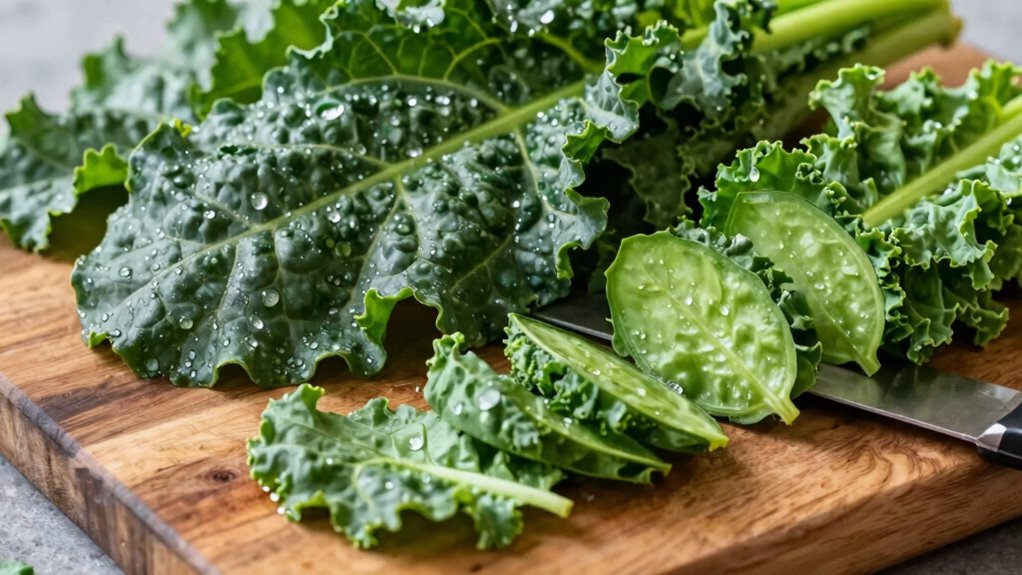
To maximize your leafy greens’ juice yield, start by selecting healthy, vibrant leaves that are free from wilting, yellowing, or damage. Proper green storage is essential; keep greens cold and in breathable containers to maintain freshness. Before juicing, dedicate time to leaf cleaning—rinse thoroughly under cold water to remove dirt, grit, or pesticides. Remove any tough stems or damaged leaves, as they can affect juice quality. Well-cleaned greens ensure pure, flavorful juice and prevent clogging your juicer. Handling greens gently preserves their nutrients and reduces foaming in the juicing process. Additionally, understanding leaf structure can help you choose the best greens for juicing, leading to higher yields and better quality. Recognizing the importance of nutrient preservation during handling can significantly impact the overall nutritional value of your juice. Properly preparing greens also involves considering free floating tendencies, which can influence how greens settle and how much foam is produced during juicing. Paying attention to craftsmanship in your preparation ensures you maintain the integrity of the greens and optimize your juice extraction. Incorporating Dri Dri Gelato techniques for quality control can inspire careful handling and attention to detail. By choosing fresh, well-stored greens and carefully cleaning them, you set the foundation for maximum yield and *ideal* juice quality.
Juicing Tips to Minimize Foam and Boost Output

While foam is a common byproduct of juicing leafy greens, there are effective ways to minimize it and increase your juice output. One key method is to juice greens slowly and evenly, which helps retain nutrients and reduces air bubbles that cause foam. Using a gentle press rather than forcing greens through the juicer preserves nutrient retention and keeps the juice smooth. Adding a small splash of lemon juice can also help suppress foam and enhance flavor naturally. Avoid overfilling your juicer, as this can create excess foam and reduce efficiency. Additionally, straining your juice through a fine mesh or cheesecloth after juicing can remove foam and pulp, boosting clarity and flavor. Incorporating proper juicing techniques can further enhance your results and ensure a better juice experience. Being mindful of juice extraction methods can also help optimize yield and quality, especially when using slow juicers that are designed to minimize foam formation. Proper cleaning and maintenance of your juicer can also prevent buildup that contributes to foam during extraction.
Choosing the Best Equipment and Settings for Green Juicing
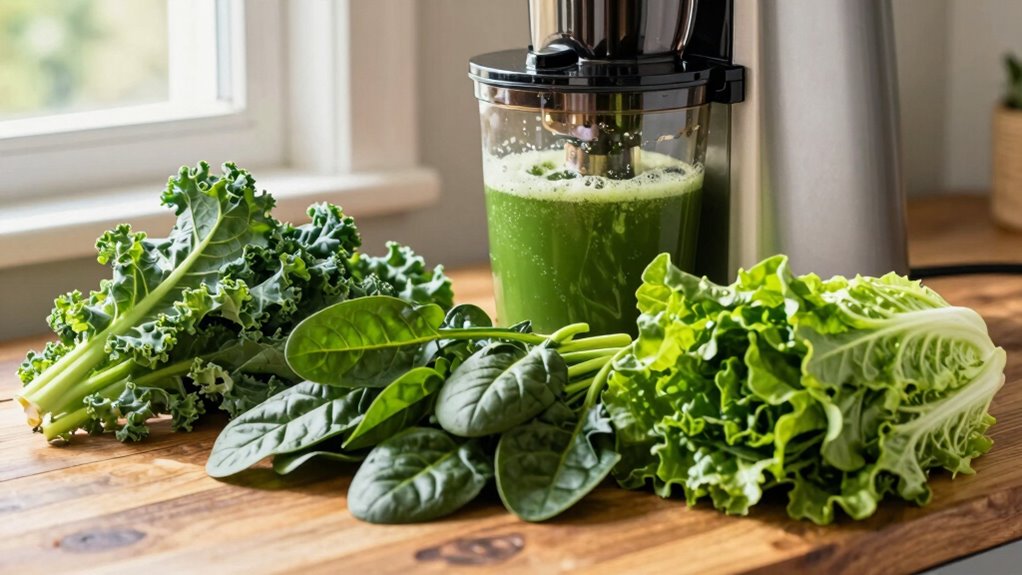
Choosing the right equipment and settings is vital for maximizing the nutritional value and yield of your green juices. Select a juicer that handles leafy greens efficiently, such as masticating or centrifugal models, and adjust the settings to optimize juice extraction. Proper juicer cleaning is essential to prevent pulp buildup and ensure smooth operation, which also helps maintain high juice quality. When it’s time to store your juice, use airtight containers and keep them in green storage, like a refrigerated crisper drawer, to preserve freshness and nutrients. Experiment with different settings to find what extracts the most juice with minimal foam. Investing in quality equipment and maintaining it properly will boost your green juicing results while keeping your workspace clean and efficient. Additionally, understanding juicer types and their specific features can help you choose the best machine for leafy greens.
Troubleshooting Common Leafy Greens Juicing Problems

Even with the best equipment and settings, you might encounter common issues when juicing leafy greens. If your juice seems watery or lacks flavor, it could be due to poor nutrient retention. To fix this, try adjusting your juicing speed or using a gentle press to preserve more nutrients and flavor. Foam often appears when greens are over-processed or if the pulp isn’t properly managed. To reduce foam, add a small amount of lemon juice or cucumber, which helps with flavor enhancement and minimizes foam formation. If the juice is too bitter, consider blending different greens or removing tough stems. Properly cleaning and prepping your greens also guarantees you’re maximizing nutrient retention and achieving a smoother, more flavorful juice. Additionally, understanding the importance of equipment maintenance can help prevent issues caused by dirt or residue buildup that might affect juice quality. Regularly inspecting and maintaining your juicing appliances ensures optimal performance and prevents clogging or residue buildup. Incorporating proper cleaning techniques can further extend the lifespan of your equipment and improve juice clarity. Moreover, using fresh, high-quality greens can significantly improve the taste and nutritional value of your juice.
Frequently Asked Questions
Can You Mix Different Greens for Better Flavor and Nutrition?
Yes, you can mix different greens for better flavor combinations and nutritional synergy. Combining varieties like spinach, kale, and arugula not only enhances taste but also boosts overall nutrition. You’ll enjoy a more balanced, flavorful juice that packs a punch of essential nutrients. Experimenting with different greens helps you find your favorite blend while maximizing health benefits, making your juicing more enjoyable and nourishing.
How Long Can Fresh Juice Be Stored Safely?
You can generally store fresh juice for up to 24-48 hours if you want to guarantee juice preservation and storage safety. Keep it in an airtight container in the refrigerator, and always check for any signs of spoilage before drinking. For the best taste and nutrients, it’s ideal to consume your juice soon after juicing. Avoid storing it for longer periods, as nutrients degrade and bacteria may develop.
Are There Specific Greens to Avoid When Juicing?
They say “know your greens”—and it’s true. When juicing, avoid greens like rhubarb, which contain toxins, and be cautious with spinach and kale if they’re heavily contaminated or grown with pesticides. Focus on fresh, organic green selection to reduce toxin concerns. Steer clear of greens with a bitter taste or unusual smell, as these can indicate spoilage or harmful compounds, ensuring your juice is safe and delicious.
Does Juicing Leafy Greens Remove Beneficial Fiber?
Juicing leafy greens does remove some beneficial fiber, which can affect digestion. When you juice, the fiber removal means you’re getting concentrated nutrients faster, but it may lead to less digestive benefits and potential blood sugar spikes. If you want to retain fiber’s digestive effects, consider blending greens instead of juicing, or include some pulp back into your juice to keep those fiber benefits intact.
What Are the Best Ways to Clean Juicing Equipment Thoroughly?
To clean your juicing equipment thoroughly, prioritize regular cleaning frequency after each use. You should disassemble all parts and wash them with warm, soapy water, guaranteeing you remove residue that could harbor bacteria. For ideal equipment sterilization, occasionally soak parts in a vinegar or baking soda solution, then rinse well. This routine keeps your juicer hygienic, prevents buildup, and ensures safe, fresh juices every time.
Conclusion
By choosing the right leafy greens and preparing them properly, you can increase your juice yield by up to 20%. Using the right equipment and techniques helps reduce foam and waste, making your juicing more efficient. Did you know that kale alone contains over 45 different antioxidants? With these tips, you’ll enjoy fresher, higher-quality juice while minimizing mess—making your green juicing routine healthier and more rewarding every time.