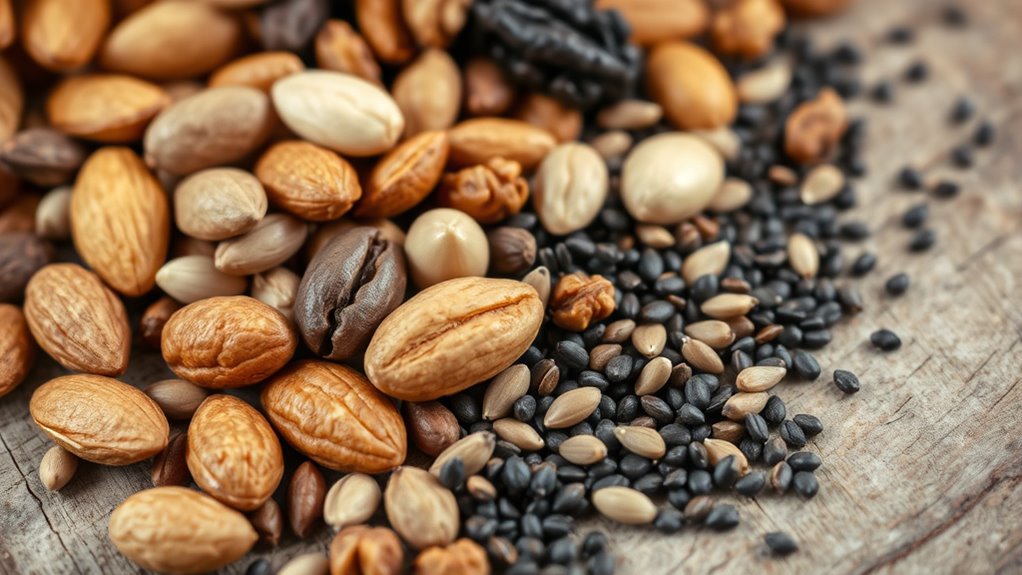

Nuts and seeds are excellent sources of plant protein, healthy fats, fiber, vitamins, and minerals that can boost your diet’s nutritional value. Almonds provide vitamin E and magnesium, supporting your heart and skin, while flaxseeds offer omega-3s and lignans for overall health. Incorporating a variety of these into your meals helps guarantee you get essential nutrients naturally. Keep exploring to discover simple ways to add them to your daily routine and maximize their benefits.
Key Takeaways
- Nuts and seeds like almonds and flaxseeds are rich sources of plant protein essential for muscle and tissue repair.
- They provide micronutrients such as vitamin E, magnesium, and lignans, supporting overall health and immune function.
- Incorporating these into diets boosts nutrient density, aiding in balanced micronutrient intake for plant-based eaters.
- Almonds offer healthy fats, fiber, and antioxidants that contribute to heart health and improved cholesterol levels.
- Ground flaxseeds supply omega-3 fatty acids and fiber, promoting cardiovascular and digestive health.
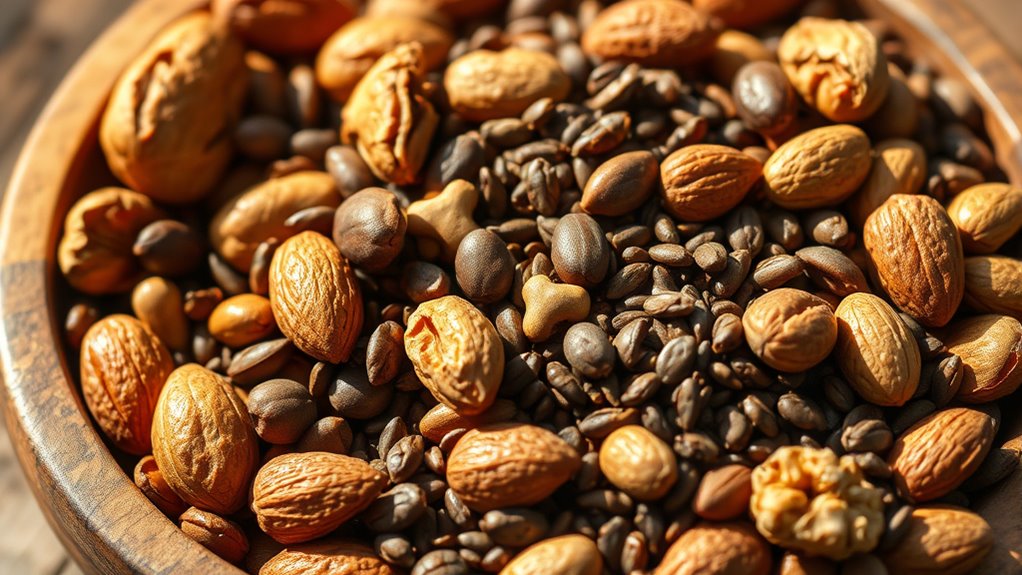
Nuts and seeds are powerhouse sources of plant protein and essential micronutrients that can boost your diet’s nutritional profile. Incorporating these foods into your daily routine offers numerous health benefits, making it easier to meet your nutritional needs naturally. Among the many options, almonds stand out for their impressive almond benefits, including high levels of healthy fats, fiber, vitamin E, and magnesium. Eating almonds regularly can support heart health, improve cholesterol levels, and provide sustained energy due to their rich nutrient profile. Their versatility makes them an easy snack or a perfect addition to salads, oatmeal, or baked goods.
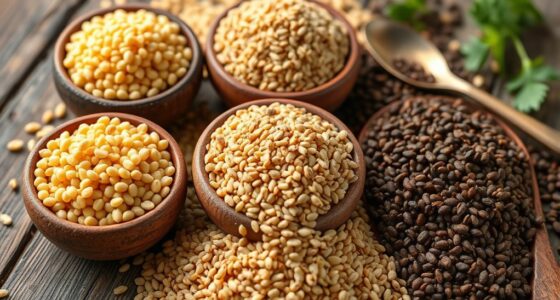
Similarly, flaxseeds are a standout for their exceptional flaxseed nutrition. They are packed with omega-3 fatty acids, particularly alpha-linolenic acid (ALA), which is essential for brain health and reducing inflammation. Flaxseeds are also a rich source of dietary fiber, which promotes digestive health and helps regulate blood sugar levels. When you include flaxseeds in your diet—whether ground or whole—you benefit from their lignans, plant compounds that have antioxidant properties and may support hormone balance. Their mild nutty flavor makes them easy to incorporate into smoothies, yogurt, or baked recipes.
Both almonds and flaxseeds are particularly beneficial for plant-based eaters, providing indispensable nutrients that might be harder to obtain from other sources. Almond benefits extend beyond just healthy fats; they also contribute to improved skin health and support weight management thanks to their filling fiber and protein content. Meanwhile, flaxseed nutrition can enhance your cardiovascular health, thanks to the combination of omega-3s, fiber, and lignans. Because flaxseeds are high in fiber, they also help keep you full longer, which can aid in weight control and prevent overeating.
Almonds and flaxseeds support skin, weight, and heart health with essential nutrients.
Incorporating these nuts and seeds into your diet is straightforward. Toss chopped almonds into salads or oatmeal, sprinkle ground flaxseed over cereal or blend it into smoothies. You can also use almond butter as a spread or snack on roasted almonds for a quick energy boost. For flaxseeds, grinding them makes nutrients more bioavailable, so consider adding them to baked goods or mixing into your yogurt or cottage cheese. Regularly practicing mindful decluttering can help create a space that supports your health goals and overall well-being. Together, almonds and flaxseeds provide a powerful combo of plant-based protein, healthy fats, fiber, and antioxidants, supporting overall health and helping you reach your nutritional goals effortlessly.

GoodSam Foods – Organic Roasted & Salted Almonds 1.25lbs (2x10z Bags) – Regeneratively Farmed California Almonds for Snacking Cooking and Baking
- Snack Type: Organic roasted and salted almonds
- Packaging: 2x10oz bags
- Flavor Profile: Caramelized, toasted, savory-sweet
As an affiliate, we earn on qualifying purchases.
As an affiliate, we earn on qualifying purchases.
Frequently Asked Questions
Are Nuts and Seeds Suitable for People With Nut or Seed Allergies?
If you have nut or seed allergies, nuts and seeds aren’t suitable for safe consumption. Instead, explore allergy alternatives like legumes or seed-free plant proteins. Always check labels carefully, as cross-contamination can occur. Consult with your healthcare provider to identify safe options tailored to your allergy. Avoiding nuts and seeds helps prevent allergic reactions, ensuring you maintain a balanced diet with appropriate nutrient sources.
How Do Processing Methods Affect the Nutrient Content of Nuts and Seeds?
Processing methods can turn nuts and seeds into a double-edged sword, affecting their nutrient content. Roasting, for example, can diminish sensitive vitamins and reduce nutrient retention, while grinding or defatting might strip away healthy fats and minerals. To maximize nutrients, choose minimally processed options like raw or dry-roasted nuts and seeds. Being aware of processing effects helps you preserve their health benefits and enjoy their full nutritional potential.
Can Nuts and Seeds Help in Managing Specific Health Conditions?
Eating nuts regularly can improve your cardiovascular health by reducing bad cholesterol levels. Incorporating seeds into your diet may support hormonal regulation, helping with conditions like PMS or menopause symptoms. Nut consumption and seed intake offer essential nutrients that aid in managing these health issues naturally. By making these foods part of your daily routine, you benefit from their positive effects on your overall well-being and specific health conditions.
What Is the Recommended Daily Intake of Nuts and Seeds?
You should aim for about 1 to 2 ounces of nuts and seeds daily, following serving size guidelines. This typically equals a small handful or roughly 28 grams. To incorporate them into your diet, try adding a sprinkle to yogurt, oatmeal, or salads. Be mindful of portions to avoid excess calories, and enjoy a variety of nuts and seeds to maximize nutrient intake while maintaining balanced daily consumption tips.
Are There Any Environmental Impacts Associated With Nut and Seed Production?
You might think nuts and seeds are completely eco-friendly, but they do have environmental impacts. Their production often demands intensive water usage and can challenge sustainable farming practices. While they provide essential nutrients, growing them can contribute to water scarcity and habitat loss if not managed responsibly. By choosing sustainably farmed options, you help reduce these impacts and support environmentally conscious agriculture.
Conclusion
So, by eating nuts and seeds, you’re basically opening the secret treasure chest of plant power, turning yourself into a superhero of health! These tiny wonders pack enough protein and micronutrients to fuel a rocket ship—no joke. Just a handful can boost your energy, sharpen your brain, and make your body feel unstoppable. So go ahead, snack like a legend and let these little miracles transform your health into something truly legendary!