
TL;DR

Get kitchen staples and gadgets delivered free with Prime
- Fast, free delivery on millions of items
- Prime Video, Amazon Music and more included
- Member-only deals all year
A Good Housekeeping report lists nine household areas that cleaning professionals recommend tending to about once a week, including sheets, towels, bathroom surfaces and appliance handles. The advice varies by item and household: some tasks can be less frequent, while pets, allergies, illness and heavy use may call for more cleaning.
Good Housekeeping’s cleaning report identifies nine areas people may overlook in their weekly routines, from sheets and towels to bathroom surfaces, appliance handles and rugs. The recommendations offer a practical schedule, but they are not one rule for every home: the report says cleaning frequency can depend on allergies, pets, illness, fabric instructions and how heavily a surface is used.
The list includes sheets and pillowcases, which the report recommends washing about every seven days. It says households may want to wash them more often if pets sleep in the bed, someone has dust or pollen allergies, a person sweats heavily, or someone at home has an infectious illness. Towels also feature, with the report suggesting a weekly wash as a reasonable routine, while noting that bath towels may be used three times or more before laundering.
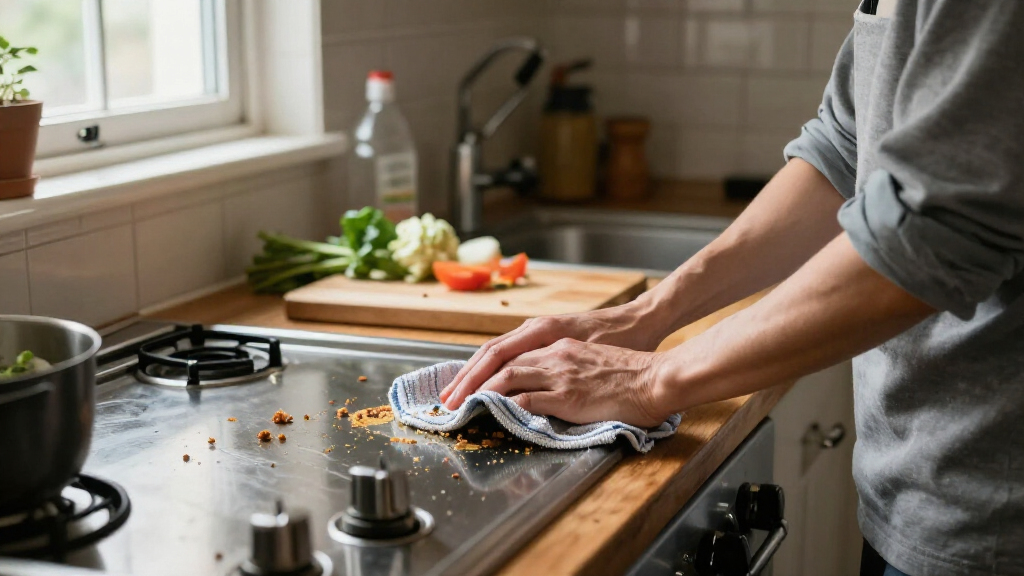
In the kitchen, the report calls for regular wiping of high-touch appliances, including refrigerator, cooktop, microwave and coffee-maker handles and knobs. It also recommends weekly vacuuming of rugs and carpets to remove tracked-in dirt, debris and pet hair. For hardwood, it distinguishes routine dry sweeping every few days from deeper wet cleaning, which it says can generally wait one to two months or be done as needed, depending on use.
Bathrooms and frequently touched household fixtures round out the list. The report recommends weekly cleaning of bathroom counters, sinks and other high-traffic surfaces, along with the toilet bowl, seat and handle. It also names light switches, doorknobs and wood furniture as weekly dusting or wipe-down tasks. For disinfectants, it advises following the product label’s required wet contact time; for switches, it cautions against letting liquid seep behind the plate.
A More Practical Weekly Cleaning Plan
The list matters because it separates routine upkeep from jobs that can be scheduled less often. A weekly pass over touchpoints, bathroom surfaces and bedding can help households avoid leaving commonly used areas out of their regular cleaning rotation, while vacuuming rugs can remove visible debris before it accumulates.
The recommendations also resist a one-size-fits-all schedule. The report says household conditions affect frequency: pets, allergies, illness and heavy use can justify more frequent attention, while deep cleaning hardwood floors and carpets need not automatically happen every week. That distinction may help readers focus effort where it is useful rather than treating every surface alike.
Products Worth Considering

Le Creuset Signature 6.5-Quart Deep Round Dutch Oven with Light Gold Crucible Knob, Enameled Cast Iron, Bleu Riviera

KitchenAid Artisan 5-Quart Tilt-Head Stand Mixer, Almond Cream

Breville Smart Grinder Pro Conical Burr Coffee Grinder, Brushed Stainless Steel
As an affiliate, we earn on qualifying purchases.
How the Nine Tasks Differ
The report’s headline frames the recommendations as nine weekly cleaning targets, but its detailed guidance includes several different intervals. Rugs are listed for weekly vacuuming, whereas hardwood floors should be dry-swept every few days and wet-cleaned every one to two months or as needed. The report suggests professional carpet cleaning about once a year, not weekly.
It also places some jobs on a longer cycle: light fixtures and blinds can be dusted monthly, while cleaning under and behind furniture, vacuuming mattresses, and washing pillows and comforters can be done every three to six months. These distinctions are part of the original Good Housekeeping report, which gives household cleaning advice rather than reporting a new scientific study or government standard.
Limits of the Cleaning Advice
The supplied report does not identify the individual cleaning professionals behind the recommendations or cite research establishing that the same schedule is necessary in every household. It also does not provide a publication date in the supplied material. The guidance should therefore be read as practical housekeeping advice, not a universal health rule.
Product directions and material care labels can vary. The report says to use the hottest water safe for towel fabric and to follow disinfectant labels for contact time, but readers should check the specific instructions for their products and surfaces. It does not specify a single appropriate cleaner for every finish or appliance.
Adjusting the Routine at Home
The report sets out no further announcement or scheduled follow-up. Readers can use its list as a starting point, then adjust the schedule for household traffic, pets, allergies, illness and manufacturer care instructions. For disinfecting, the next step is to follow the product label, including how long a surface must stay wet; for floors, furniture and fabrics, check material-specific guidance before choosing a cleaning method.
Key Questions
Which items does the report recommend cleaning weekly?
It names sheets and pillowcases, kitchen appliance touchpoints, rugs, bathroom surfaces, toilets, light switches, doorknobs, towels and wood furniture. The detailed schedule varies by item, and some listed tasks have different recommended intervals.
How often should sheets be washed?
The report recommends washing sheets and pillowcases about every seven days. It suggests more frequent washing when pets share the bed or household members have allergies, sweat heavily or are ill with an infectious disease.
Does the advice mean hardwood floors need wet cleaning every week?
No. The report suggests dry-sweeping hardwood every few days and using a hardwood floor cleaner every one to two months or as needed, depending on use.
How long should disinfectant stay on a surface?
Follow the product label’s contact-time instructions. The report says the surface should remain wet for the time specified on the package; it does not give one duration that applies to all disinfectants.
Source: goodhousekeeping.com