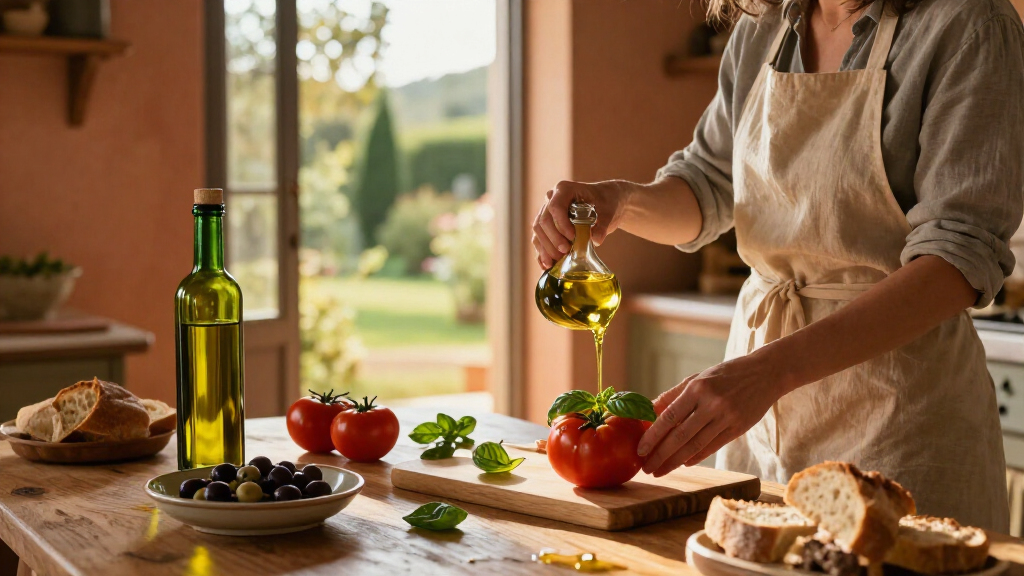
Among the best Italian olive oils in this roundup, Frescobaldi Laudemio is my best overall pick for a Tuscan finishing oil, while Monini GranFruttato is a practical choice for a versatile, larger-format bottle. Pruneti Frantoio stands out for shoppers seeking organic oil with a stated high polyphenol level, and Partanna offers a robust Sicilian profile in a protective tin. The main tradeoffs are delicate versus peppery flavor, distinctive regional character versus everyday versatility, and premium packaging or production claims versus bottle size and convenience. Read on for how the 14 options differ and which one best fits your cooking.

Get kitchen staples and gadgets delivered free with Prime
- Fast, free delivery on millions of items
- Prime Video, Amazon Music and more included
- Member-only deals all year
Key Takeaways
- Frescobaldi Laudemio leads for a Tuscan finishing oil, while Monini GranFruttato better suits shoppers who want a larger bottle for varied cooking.
- Pruneti Frantoio pairs organic certification with a stated 500+ mg/kg polyphenol level; shoppers comparing such claims should check the serving context and product labeling.
- Laudemio Volmiano is the most pronounced stated polyphenol option here at 900+ mg/kg, but its early-harvest profile is a more particular choice than a mild all-purpose oil.
- Partanna stands apart for its robust Sicilian style and tin packaging, while BONO Val di Mazara PDO gives origin-focused buyers a protected Sicilian designation.
- De Cecco and Frantoi offer larger-format everyday options, whereas Muraglia’s handmade ceramic bottle and ArteOlio’s single-estate positioning lean toward presentation and provenance.
| Antico Frantoio Muraglia Peranzana Extra Virgin Olive Oil in Handmade Rainbow Ceramic Bottle, 16.9 fl oz (500 ml) |  | Best for a Delicate Finish | Oil type: Extra virgin olive oil | Origin: Italy; handmade bottle crafted in Puglia | Olive variety: Peranzana | VIEW LATEST PRICE | See Our Full Breakdown |
| Frantoi Extra Virgin Olive Oil, 1 Liter (Pack of 2) |  | Best for Everyday Sicilian Cooking | Oil type: Extra virgin olive oil | Origin: West-central Sicily, Italy | Olive varieties: Biancolilla, Nocellara del Belice, and Cerasuola | VIEW LATEST PRICE | See Our Full Breakdown |
| Pruneti Frantoio Organic Extra Virgin Olive Oil, Cold-Pressed, 500+ mg/kg Polyphenols |  | Best for Bold, Peppery Flavor | Origin: San Polo in Chianti, Florence, Tuscany, Italy | Certification: USDA Organic | Olive variety: Frantoio | VIEW LATEST PRICE | See Our Full Breakdown |
| De Cecco Extra Virgin Olive Oil, 100% Italian, Cold Extracted, 25.4 fl oz |  | Best Mild Everyday Italian Oil | Oil type: Extra virgin olive oil | Origin: Italy; made from selected Italian olives | Extraction: Cold extracted below 80°F (27°C) | VIEW LATEST PRICE | See Our Full Breakdown |
| Virgeen Italian Extra Virgin Olive Oil, High-Polyphenol, Cold-Pressed |  | Best for Fast-Harvest, High-Polyphenol Focus | Origin: Tuscany, Italy | Oil type: Extra virgin olive oil | Processing: Unrefined and cold pressed within 4 hours of harvest | VIEW LATEST PRICE | See Our Full Breakdown |
| Frescobaldi Laudemio Extra Virgin Olive Oil, 16.9 fl oz (500 ml) |  | Best for Tuscan Finishing | Type: Extra virgin olive oil | Origin: Tuscany, Italy | Volume: 16.9 fl oz (500 ml) | VIEW LATEST PRICE | See Our Full Breakdown |
| Monini GranFruttato 100% Italian Extra Virgin Olive Oil, 1 L |  | Best Large-Format Finishing Oil | Type: Extra virgin olive oil | Origin: Italy | Volume: 1 L (33.8 fl oz) | VIEW LATEST PRICE | See Our Full Breakdown |
| Laudemio Volmiano Organic Tuscan Extra Virgin Olive Oil, Early Harvest, 900+ mg/kg Polyphenols |  | Best Premium Organic Tuscan Pick | Type: Organic extra virgin olive oil | Origin: Fattoria di Volmiano, near Florence, Tuscany, Italy | Harvest: October 2025 (2025–2026 harvest) | VIEW LATEST PRICE | See Our Full Breakdown |
| Entimio Intenso Organic Italian Extra Virgin Olive Oil, Early Harvest, 16.9 fl oz |  | Best for High-Polyphenol Specifications | Type: Extra virgin olive oil | Origin: Puglia, Italy | Volume: 16.9 fl oz | VIEW LATEST PRICE | See Our Full Breakdown |
| Partanna Robust Extra Virgin Olive Oil, Castelvetrano, 16.9 oz (500 ml) Tin |  | Best for Versatile Sicilian Cooking | Type: Extra virgin olive oil | Origin: Trapani, Sicily, Italy | Olive variety: Castelvetrano | VIEW LATEST PRICE | See Our Full Breakdown |
| ArteOlio Prezioso Extra Virgin Olive Oil, Single Estate Cold Pressed |  | Best for Estate-to-Bottle Traceability | Origin: Tuscany, Italy | Oil type: Extra virgin olive oil | Production: Single estate; cold pressed | VIEW LATEST PRICE | See Our Full Breakdown |
| BONO Organic Sicilian Val di Mazara PDO Extra Virgin Olive Oil, 16.9 oz |  | Best for Certified Sicilian Provenance | Volume: 16.9 oz | Origin: Val di Mazara, Western Sicily, Italy | Olive varieties: Biancolilla, Cerasuola, and Nocellara del Belice | VIEW LATEST PRICE | See Our Full Breakdown |
| Frantoi Cutrera Primo Sicilian Extra Virgin Olive Oil, 25.4 fl oz |  | Best for Bold Single-Variety Flavor | Volume: 25.4 fl oz | Origin: Chiaramonte Gulfi, Sicily, Italy | Olive variety: Tonda Iblea | VIEW LATEST PRICE | See Our Full Breakdown |
| Yolioo Organic Italian Extra Virgin Olive Oil, Cold Pressed, 25.4 oz |  | Best for Organic Tuscan Everyday Use | Brand: Yolioo | Bottle size: 25.4 oz | Type: Organic extra virgin olive oil | VIEW LATEST PRICE | See Our Full Breakdown |
| Italian olive oil | Origin | Volume | Acidity | Extraction |
|---|---|---|---|---|
| Antico Frantoio Muraglia Peran | Italy; handmade bottle crafted in Puglia | 16.9 fl oz (500 ml) | Very low | — |
| Frantoi Extra Virgin Olive Oil | West-central Sicily, Italy | 1 liter per bottle | — | Cold pressed |
| Pruneti Frantoio Organic Extra | San Polo in Chianti, Florence, Tuscany, Italy | — | Below 0.2% | — |
| De Cecco Extra Virgin Olive Oi | Italy; made from selected Italian olives | 25.4 fl oz | Below 0.3% | Cold extracted below 80°F (27°C) |
| Virgeen Italian Extra Virgin O | Tuscany, Italy | — | — | — |
| Frescobaldi Laudemio Extra Vir | Tuscany, Italy | 16.9 fl oz (500 ml) | Low | — |
| Monini GranFruttato 100% Itali | Italy | 1 L (33.8 fl oz) | 0.3% | Cold-extracted within 24 hours of picking |
| Laudemio Volmiano Organic Tusc | Fattoria di Volmiano, near Florence, Tuscany, Italy | — | Below 0.20% | Cold extracted |
| Entimio Intenso Organic Italia | Puglia, Italy | 16.9 fl oz | < 0.25% | Cold extracted |
| Partanna Robust Extra Virgin O | Trapani, Sicily, Italy | 16.9 oz (500 ml) | — | Cold-extracted within four hours of harvest |
| ArteOlio Prezioso Extra Virgin | Tuscany, Italy | — | — | — |
| BONO Organic Sicilian Val di M | Val di Mazara, Western Sicily, Italy | 16.9 oz | — | — |
| Frantoi Cutrera Primo Sicilian | Chiaramonte Gulfi, Sicily, Italy | 25.4 fl oz | — | Cold extracted |
| Yolioo Organic Italian Extra V | Tuscany, Italy; family farm near Florence | — | — | — |
More Details on Our Top Picks
Antico Frantoio Muraglia Peranzana Extra Virgin Olive Oil in Handmade Rainbow Ceramic Bottle, 16.9 fl oz (500 ml)
Single-variety Peranzana olives and a delicate, medium-fruity profile make this a good choice when I want the oil to complement rather than dominate a dish. Its tomato, rocket, radish, and artichoke notes suit fish and lightly cooked vegetables; compared with the bolder, peppery Pruneti Frantoio Organic, it offers a gentler finish. The olives are cold pressed within 24 hours of harvest, and the handmade Puglian ceramic bottle brings a decorative quality that ordinary dark-glass packaging does not. That presentation comes with a practical tradeoff: ceramic needs careful handling, and this bottle is less convenient to pour from or store than a standard bottle. I would skip it if I wanted a forceful peppery oil or a workhorse for everyday cooking.
Pros:- Made exclusively from Peranzana olives
- Cold pressed within 24 hours of harvest
- Delicate profile suits fish and lightly cooked dishes
- Handmade ceramic bottle offers decorative presentation
Cons:- Mild intensity may disappoint fans of robust, peppery oils
- Ceramic bottle requires careful handling
- Decorative packaging may be less practical for frequent pouring and storage
Best for: Cooks who finish fish, delicate vegetables, or simple dishes with a mild, single-variety Italian oil and appreciate handmade kitchenware.
Not ideal for: Buyers seeking a strongly peppery oil for bold dips, or anyone who prefers a lightweight, easy-to-handle everyday bottle.
- Oil type:Extra virgin olive oil
- Origin:Italy; handmade bottle crafted in Puglia
- Olive variety:Peranzana
- Processing:First cold pressed
- Harvest to pressing:Within 24 hours
- Flavor profile:Delicate, medium fruity; tomato, rocket, radish, and artichoke notes
- Acidity:Very low
- Bottle:Handmade rainbow ceramic
- Volume:16.9 fl oz (500 ml)
Our verdict“Choose this Peranzana oil for a gentle finishing touch and distinctive ceramic presentation, but pick Pruneti if you prefer pronounced bitterness and pepper.”
Frantoi Extra Virgin Olive Oil, 1 Liter (Pack of 2)
Two one-liter bottles make this the practical pick for cooks who use olive oil often, while its Sicilian blend keeps the flavor more nuanced than a strictly mild pantry oil. Biancolilla, Nocellara del Belice, and Cerasuola olives bring a fresh, fruity character, gentle sweetness, and an almond finish. Compared with the single 25.4-ounce De Cecco Extra Virgin Olive Oil, this set supplies more oil for regular cooking and serving, but it asks for more storage space and involves heavier glass bottles. Hand-picked olives are cold pressed within 24 hours, and the resulting profile works across seafood, salads, grilled vegetables, and everyday Mediterranean dishes. It is not the right fit for anyone who wants a pronounced peppery kick; Pruneti Frantoio Organic is the more assertive choice in this lineup.
Pros:- Two one-liter bottles suit frequent cooking
- Blend of three Sicilian olive varieties adds flavor complexity
- Hand-picked olives are cold pressed within 24 hours
- Fruity, gently sweet profile works for cooking and finishing
Cons:- Two glass bottles are heavy and fragile to handle
- Requires more pantry space than a single smaller bottle
- Milder flavor lacks the peppery intensity of robust oils
Best for: Households and frequent home cooks who want a versatile Sicilian blend in a larger supply for cooking, salads, and finishing.
Not ideal for: Small households with limited storage, or buyers who prefer a bold, bitter, pepper-forward oil.
- Oil type:Extra virgin olive oil
- Origin:West-central Sicily, Italy
- Olive varieties:Biancolilla, Nocellara del Belice, and Cerasuola
- Extraction:Cold pressed
- Harvest to pressing:Within 24 hours
- Flavor profile:Fresh and fruity, with gentle sweetness and a delicate almond finish
- Pack size:2 bottles
- Volume:1 liter per bottle
Our verdict“Pick this two-bottle Sicilian blend for versatile everyday use and a generous supply, but choose Pruneti for a more forceful green flavor.”
Pruneti Frantoio Organic Extra Virgin Olive Oil, Cold-Pressed, 500+ mg/kg Polyphenols
Early-harvest Frantoio olives, USDA Organic certification, and more than 500 mg/kg of polyphenols place this Tuscan oil among the lineup’s more assertive choices. Its green notes of artichoke, arugula, and pepper lead to a pleasantly bitter, peppery finish, giving soups, vegetables, grilled meat, and dipping bread a noticeable flavor lift. Compared with Antico Frantoio Muraglia Peranzana, this is far less delicate and better suited to dishes that can stand up to a robust oil; the Muraglia is the easier match for mild fish. The dark glass bottle helps protect freshness, while the stated acidity is below 0.2%. The tradeoff is clear: bitterness and pepper can overwhelm delicate foods, and the product details do not give a bottle volume, making it harder to compare quantity with other picks.
Pros:- USDA Organic oil made from Frantoio olives
- Early-harvest olives are cold pressed
- Robust green, peppery flavor suits hearty dishes and dipping
- Dark glass bottle helps protect freshness
Cons:- Bitter, peppery intensity may overpower delicate dishes
- Bottle volume is not specified in the product details
- Strong flavor may be less versatile for cooks seeking a neutral finish
Best for: Cooks who enjoy bitter, peppery Tuscan oil and want an organic early-harvest option for dipping, soups, vegetables, and grilled meats.
Not ideal for: Buyers who prefer mild oils for delicate fish, or shoppers who need a stated bottle volume before choosing.
- Origin:San Polo in Chianti, Florence, Tuscany, Italy
- Certification:USDA Organic
- Olive variety:Frantoio
- Processing:Cold pressed from early-harvested olives
- Polyphenols:Over 500 mg/kg
- Acidity:Below 0.2%
- Smoke point:Above 470°F
- Packaging:Dark glass bottle
- Harvest:2025/2026
Our verdict“Choose Pruneti for a robust organic Tuscan oil with a pronounced peppery finish, not for delicate dishes where Muraglia Peranzana is a gentler fit.”
De Cecco Extra Virgin Olive Oil, 100% Italian, Cold Extracted, 25.4 fl oz
Light fruitiness and an almond-like sweetness make De Cecco the approachable, all-purpose option here. Made from selected Italian olives and cold extracted below 80°F, it offers a softer flavor than Frantoi’s Sicilian blend, which has a more layered fruitiness and almond finish, and it is far less forceful than Pruneti’s peppery Frantoio. That restrained profile is useful when I want an oil to work across a range of meals without taking over; the 25.4-ounce dark-glass bottle also gives it a practical pantry role. Its stated acidity is below 0.3%, and the listing includes Kosher, BRC, and IFS certifications. The tradeoff is that it offers less variety-specific detail than the single-variety oils, and its mild flavor will not satisfy shoppers seeking bold green notes or a sharp finish.
Pros:- Made exclusively from Italian olives
- Mild, lightly fruity flavor suits a wide range of dishes
- Cold extracted below 80°F
- Dark glass bottle helps protect the oil
Cons:- Mild taste may seem understated beside more characterful oils
- Olive variety and harvest timing are not specified
- Product details provide little guidance on specific uses or storage
Best for: Home cooks who want a mild, 100% Italian oil in a standard-size dark-glass bottle for varied everyday dishes.
Not ideal for: Olive-oil enthusiasts looking for a distinctive regional variety, high-intensity pepper, or a clearly specified robust flavor profile.
- Oil type:Extra virgin olive oil
- Origin:Italy; made from selected Italian olives
- Extraction:Cold extracted below 80°F (27°C)
- Acidity:Below 0.3%
- Taste:Sweet, almond-like, and lightly fruity
- Color:Golden yellow
- Packaging:Dark glass bottle
- Certifications:Kosher, BRC, and IFS
- Volume:25.4 fl oz
Our verdict“Choose De Cecco for a mild, versatile Italian pantry oil, while Frantoi offers a more distinctive Sicilian blend and Pruneti delivers greater intensity.”
Virgeen Italian Extra Virgin Olive Oil, High-Polyphenol, Cold-Pressed
Cold pressed within four hours of harvest is the standout distinction here, a tighter stated harvest-to-press window than the 24 hours given for Pruneti Frantoio Organic and the other oils in this batch. Virgeen is a single-source Tuscan oil with a stated polyphenol content of 522 mg/kg, and its additive-free, unrefined production suits buyers who prioritize minimal processing and a high-polyphenol profile. It is positioned for daily use, salads, dipping, and finishing, with recipes and conservation instructions included. Compared with the broader-use, mild De Cecco, Virgeen is aimed more at shoppers seeking a vivid, characterful oil than a neutral kitchen staple. Its tradeoffs are the strong polyphenol and oleocanthal character, which may not suit mild-oil preferences, and small annual production that may make availability less consistent.
Pros:- Cold pressed within four hours of harvest
- Single-source Italian oil from hand-harvested olives
- Stated polyphenol content of 522 mg/kg
- Additive-free, unrefined production with use and conservation instructions
Cons:- Strong polyphenol and oleocanthal character may be too intense for mild-oil preferences
- Small annual production may limit availability
- Product details do not specify bottle volume
Best for: Buyers who prioritize a short harvest-to-press window, a stated high-polyphenol content, and a small-farm Tuscan oil for salads and finishing.
Not ideal for: Cooks who want a mild, neutral oil for every dish, or shoppers who need a product with consistently broad availability.
- Origin:Tuscany, Italy
- Oil type:Extra virgin olive oil
- Processing:Unrefined and cold pressed within 4 hours of harvest
- Polyphenols:+522 mg/kg
- Production:Small family farm; 3,800 liters per year
- Additives:Additive-free
- Packaging:Recycled paper packaging
- Harvesting:Hand-harvested olives
Our verdict“Choose Virgeen if a very short harvest-to-press window and high stated polyphenol content matter more than a mild flavor or dependable availability.”
Frescobaldi Laudemio Extra Virgin Olive Oil, 16.9 fl oz (500 ml)
Early-harvest Tuscan character is the draw here: the olives are cold-pressed within hours, and the resulting fruity, peppery flavor is suited to bread, salads, fish, and roasted vegetables. I’d choose it when the oil itself should register on the plate, rather than disappear into a recipe. Compared with Partanna Robust, which is described as versatile for sautéing and baking, Frescobaldi is more clearly aimed at raw use and finishing. That focus is also its limitation: the product details don’t present it as an all-purpose cooking oil. It makes a distinctive choice for diners who enjoy peppery oils, but shoppers seeking a mild, multipurpose bottle may prefer Partanna or the larger Monini GranFruttato.
Pros:- Early-harvest olives give it a defined fruity, peppery profile.
- Cold-pressed within hours of harvest.
- Well suited to finishing salads, fish, vegetables, and bread.
- Described as rich in natural polyphenols.
Cons:- Product details emphasize raw use and finishing rather than all-purpose cooking.
- Peppery flavor may be too assertive for buyers who prefer mild oils.
Best for: Home cooks who want an early-harvest Tuscan oil to serve with bread or finish salads, fish, and vegetables.
Not ideal for: Shoppers seeking one olive oil for high-heat cooking and everyday recipes, since this is presented primarily as a finishing oil.
- Type:Extra virgin olive oil
- Origin:Tuscany, Italy
- Volume:16.9 fl oz (500 ml)
- Harvest:Early harvest
- Processing:Cold-pressed within hours of harvest
- Flavor:Fruity and peppery
- Acidity:Low
Our verdict“Choose Frescobaldi for a vivid Tuscan finishing oil, not as your only bottle for every cooking task.”
Monini GranFruttato 100% Italian Extra Virgin Olive Oil, 1 L
One-liter capacity gives Monini an everyday advantage over the 500 ml Frescobaldi and Partanna bottles, while its fruity, floral aroma keeps it appealing for dressings and finishing. Sweet almond and pepper notes offer more character than a neutral cooking oil, and the dark glass bottle with a pop-up pourer helps protect the oil and control the drizzle. Compared with Partanna, Monini is more specifically directed toward finishing and low-to-medium temperatures; Partanna is the clearer choice if sautéing and roasting are central. Monini’s tradeoff is similar: it is not presented for high-heat frying. Early-picked olives and cold extraction within 24 hours suit flavor-focused use, but buyers wanting a mild, heat-first kitchen staple should look elsewhere.
Pros:- Large 1 L format suits frequent use.
- Fruity, floral aroma with sweet almond and pepper notes.
- Cold-extracted within 24 hours of picking.
- Dark glass and pop-up pourer support light protection and controlled drizzling.
Cons:- Recommended for finishing and low-to-medium temperatures, not high-heat frying.
- Full-bodied flavor may be too pronounced for buyers seeking a neutral oil.
Best for: Households that regularly dress salads and finish meals with Italian olive oil and want a larger bottle with controlled pouring.
Not ideal for: Cooks who mainly need oil for high-heat frying or prefer a mild flavor without pepper and floral notes.
- Type:Extra virgin olive oil
- Origin:Italy
- Volume:1 L (33.8 fl oz)
- Acidity:0.3%
- Extraction:Cold-extracted within 24 hours of picking
- Bottle:Dark glass
- Pourer:Pop-up controlled pourer
- Recommended use:Finishing and low-to-medium temperatures
Our verdict“Pick Monini if you want a characterful Italian finishing oil in a larger, easy-to-pour bottle.”
Laudemio Volmiano Organic Tuscan Extra Virgin Olive Oil, Early Harvest, 900+ mg/kg Polyphenols
Single-estate organic Tuscan sourcing and a sharply green flavor give Volmiano a more specialized profile than Monini GranFruttato’s fruity, floral style. Artichoke, fresh-cut grass, and green olive lead into a peppery kick and bitter finish; that intensity suits people who want the oil to stand out, not simply add richness. Its reported 900+ mg/kg polyphenols and acidity below 0.20% distinguish its stated specifications from Frescobaldi, whose listing gives low acidity without a figure. The premium gift box also makes this a more presentation-focused pick. The tradeoff is the flavor: bitterness and pungency can be divisive, and the oil is a less comfortable choice for anyone who prefers a soft, mild finish.
Pros:- Organic, single-estate oil from near Florence, Tuscany.
- Reported polyphenol content above 900 mg/kg and acidity below 0.20%.
- Distinctive green notes of artichoke, grass, and olive.
- Premium gift box supports presentation as a food gift.
Cons:- Pronounced bitterness and pepper may not suit mild-oil preferences.
- Its intense flavor is less adaptable to dishes where a subtle oil is preferred.
Best for: Organic-oil enthusiasts and gift buyers who enjoy assertive green, bitter, and peppery Tuscan flavors.
Not ideal for: People who prefer mild olive oil or want a gentle, broadly agreeable bottle for serving to varied palates.
- Type:Organic extra virgin olive oil
- Origin:Fattoria di Volmiano, near Florence, Tuscany, Italy
- Harvest:October 2025 (2025–2026 harvest)
- Polyphenols:900+ mg/kg
- Acidity:Below 0.20%
- Extraction:Cold extracted
- Testing:Lab tested for purity and quality
- Packaging:Premium gift box
Our verdict“Choose Volmiano for an organic Tuscan oil with a bold green profile and gift-ready presentation.”
Entimio Intenso Organic Italian Extra Virgin Olive Oil, Early Harvest, 16.9 fl oz
More than 1,000 mg/kg polyphenols is the standout stated figure for Entimio, paired with acidity below 0.25% and USDA organic certification. Its early-harvest Puglian olives bring green almond, artichoke, and tomato notes, followed by peppery bitterness. Compared with Volmiano, Entimio reports a higher polyphenol threshold and has a similarly assertive green profile, while Volmiano adds a gift box and a specifically Tuscan estate identity. Entimio is also described for salads, vegetables, meats, and stews, giving it a broader stated range than Frescobaldi’s finishing-focused use. Still, its bitterness and pepper are not for every palate, and the 16.9 fl oz format is smaller than Monini’s 1 L bottle. Buyers should also check the listed best-before date.
Pros:- USDA Certified Organic and made from early-harvest olives in Puglia.
- Reported polyphenols above 1,000 mg/kg and acidity below 0.25%.
- Green almond, artichoke, and tomato notes add a distinct flavor profile.
- Described for salads, vegetables, meats, and stews.
Cons:- Peppery bitterness may be too strong for mild-oil preferences.
- The 16.9 fl oz bottle is smaller than Monini’s 1 L format.
- Listed best-before date is January 31, 2028.
Best for: Organic-oil buyers who prioritize a high stated polyphenol level and want a bold early-harvest oil for varied dishes.
Not ideal for: People who dislike peppery bitterness, or households wanting a larger bottle for frequent everyday use.
- Type:Extra virgin olive oil
- Origin:Puglia, Italy
- Volume:16.9 fl oz
- Harvest:October 2025
- Polyphenols:> 1,000 mg/kg
- Acidity:< 0.25%
- Certification:USDA Certified Organic
- Extraction:Cold extracted
- Best before:January 31, 2028
Our verdict“Choose Entimio if organic certification and a high stated polyphenol level matter more than a mild flavor or large bottle.”
Partanna Robust Extra Virgin Olive Oil, Castelvetrano, 16.9 oz (500 ml) Tin
Cooking versatility sets Partanna apart from the finishing-led Frescobaldi and Monini: this Sicilian oil is described for sautéing, roasting, baking, and finishing. Made from 100% hand-picked Castelvetrano olives and cold-extracted within four hours of harvest, it has a buttery flavor with a light peppery finish rather than the sharper green bitterness of Entimio or Volmiano. The colored tin helps shield the oil from light and oxidation, though it may be less convenient to pour than a bottle with a controlled spout. Its robust profile gives dishes a clear olive-oil presence, which works well for cooks who want one bottle across several techniques. Those seeking a very mild oil, or the precise green intensity of early-harvest Tuscan picks, may prefer another option.
Pros:- Made from 100% hand-picked Castelvetrano olives.
- Cold-extracted within four hours of harvest.
- Described for sautéing, roasting, baking, and finishing.
- Colored tin helps protect the oil from light and oxidation.
Cons:- Robust flavor and peppery finish may not suit those who prefer mild oil.
- Tin may be less convenient to pour than Monini’s bottle with a controlled pourer.
Best for: Home cooks who want a Sicilian olive oil for sautéing, roasting, baking, and finishing, with a buttery rather than sharply bitter profile.
Not ideal for: Buyers who prefer very mild oils or need an easy-to-control bottle pour instead of a tin.
- Type:Extra virgin olive oil
- Origin:Trapani, Sicily, Italy
- Olive variety:Castelvetrano
- Extraction:Cold-extracted within four hours of harvest
- Polyphenol content:400–600 mg/kg
- Flavor:Buttery with a light peppery finish
- Packaging:Colored tin
- Volume:16.9 oz (500 ml)
Our verdict“Choose Partanna for a buttery Sicilian oil that covers more cooking jobs than the lineup’s finishing-focused picks.”
ArteOlio Prezioso Extra Virgin Olive Oil, Single Estate Cold Pressed
Full control from grove to bottle is the clearest reason to choose ArteOlio Prezioso. Its olives come from a 700-hectare Tuscan estate, and the producer manages cultivation, harvest, milling, and bottling. That traceable production chain gives it a different appeal from BONO Organic Sicilian Val di Mazara PDO, whose defining strength is its protected regional origin and named Sicilian varieties. ArteOlio instead emphasizes estate scale and a modern on-site mill intended to preserve flavor while reducing waste.
The tradeoff is limited detail about what reaches the bottle: the eight varieties are not identified, and no blend proportions, bottle size, or packaging details are supplied. I’d choose it for its integrated Tuscan provenance, but shoppers seeking a specified flavor profile or organic certification may prefer BONO or Yolioo.
Pros:- Olives are grown on the producer’s own Tuscan estate.
- Cultivation, harvest, milling, and bottling are managed by the company.
- A modern on-site mill is intended to preserve flavor.
- Production methods are aimed at reducing waste and resource consumption.
Cons:- The eight olive varieties and their blend proportions are not specified.
- Bottle size and packaging details are not provided.
Best for: Buyers who prioritize Tuscan estate provenance and production managed from olive cultivation through bottling.
Not ideal for: Shoppers who need a stated bottle size, named olive varieties, blend proportions, or an organic certification.
- Origin:Tuscany, Italy
- Oil type:Extra virgin olive oil
- Production:Single estate; cold pressed
- Estate size:700 hectares
- Olive varieties:Eight; varieties and proportions not specified
- Milling:Modern on-site mill
Our verdict“Choose ArteOlio if estate-controlled Tuscan production matters more to you than a fully specified blend or bottle format.”
BONO Organic Sicilian Val di Mazara PDO Extra Virgin Olive Oil, 16.9 oz
Regional identity with clear sourcing makes BONO a strong choice for buyers who want more than a general Italian origin claim. Its Val di Mazara PDO designation ties it to western Sicily, while USDA Organic and Non-GMO Project Verified certifications add specific production credentials. The blend uses Biancolilla, Cerasuola, and Nocellara del Belice, with artichoke, almond, and tomato leaf notes and a balanced bitter-spicy finish.
That profile gives it broader table use than Frantoi Cutrera Primo, which is a single-variety oil with more pronounced fruity, bitter, and spicy character. BONO’s own tradeoff is that its bitterness and peppery finish may not suit shoppers seeking a mild oil. Cold extraction and a 16.9-ounce bottle suit dipping, dressings, cooking, and finishing, though the format is smaller than Yolioo’s 25.4-ounce bottle.
Pros:- PDO certification identifies its Val di Mazara regional origin.
- USDA Organic and Non-GMO Project Verified certifications are specified.
- Three native Sicilian varieties provide a defined regional blend.
- Cold-extracted oil suits dipping, dressings, cooking, and finishing.
Cons:- Its bitter and spicy finish may be too assertive for mild-oil preferences.
- The 16.9-ounce bottle is smaller than the 25.4-ounce Yolioo and Frantoi Cutrera options.
Best for: Home cooks who want certified organic Sicilian oil with protected regional provenance for both everyday cooking and finishing.
Not ideal for: Buyers who prefer very mild olive oil or want a larger bottle for frequent, high-volume use.
- Volume:16.9 oz
- Origin:Val di Mazara, Western Sicily, Italy
- Olive varieties:Biancolilla, Cerasuola, and Nocellara del Belice
- Regional certification:Protected Designation of Origin (PDO)
- Organic certification:USDA Organic
- Other certification:Non-GMO Project Verified
- Extraction method:Cold extracted
- Flavor notes:Artichoke, almond, and tomato leaf; balanced bitter and spicy finish
Our verdict“Pick BONO for certified Sicilian provenance and flexible kitchen use, provided you enjoy some bitterness and peppery spice.”
Frantoi Cutrera Primo Sicilian Extra Virgin Olive Oil, 25.4 fl oz
Concentrated Tonda Iblea character sets Primo apart from blends such as BONO Organic Sicilian Val di Mazara PDO. Made from one Sicilian olive variety, it is organically farmed and harvested early; the olives are cold-extracted within six hours of picking. The described notes—green tomato, balsamic herb, and sweet almond—along with sweet, bitter, and spicy elements make this a more expressive finishing oil than a neutral all-purpose choice.
The 25.4-fluid-ounce bottle also offers more volume than BONO’s 16.9-ounce format, which helps if you use bold oil regularly on salads, soups, grilled fish, meat, or toast. The main compromise is its intensity: those who want a soft, unobtrusive oil may find the fruity, bitter, and spicy profile too forceful. For a gentler certified regional blend, BONO is the easier fit.
Pros:- Made from a single variety, Tonda Iblea.
- Organically farmed olives are harvested early.
- Cold extraction takes place within six hours of picking.
- The 25.4-fluid-ounce bottle suits frequent use across several dishes.
Cons:- Its fruity, bitter, and spicy intensity may overwhelm diners who prefer mild oil.
- The pronounced flavor is less suited to cooks seeking a neutral everyday oil.
Best for: Cooks who enjoy assertive Sicilian flavor and want an organic single-variety oil for finishing grilled foods, soups, salads, and toast.
Not ideal for: Shoppers seeking a mild, neutral-tasting oil for delicate dishes or those who prefer blends over pronounced single-variety character.
- Volume:25.4 fl oz
- Origin:Chiaramonte Gulfi, Sicily, Italy
- Olive variety:Tonda Iblea
- Harvest:Early green harvest
- Extraction:Cold extracted
- Processing time:Cold pressed within six hours of picking
- Farming:Organically farmed
Our verdict“Choose Primo for bold, early-harvest Tonda Iblea flavor; pick BONO instead if you want a more balanced Sicilian blend.”
Yolioo Organic Italian Extra Virgin Olive Oil, Cold Pressed, 25.4 oz
A practical organic Tuscan pick, Yolioo combines a 25.4-ounce bottle with locally sourced olives from a third-generation family farm near Florence. The stated cold-pressing window—within six hours of harvest at 22–24°C—gives buyers more process detail than ArteOlio Prezioso, whose estate-grown production is closely managed but whose bottle size and varietal blend are unspecified. Yolioo also identifies sustainable farming, though the supplied details do not name a specific organic certifier.
Compared with Frantoi Cutrera Primo, Yolioo is positioned around Tuscan family-farm sourcing and everyday organic use rather than a named Sicilian variety and explicitly intense flavor notes. Its tradeoff is a thinner flavor description: no varieties, tasting notes, or certification body are listed. I’d favor it for shoppers who value the stated harvest timing and larger bottle, but not for those who need a defined regional blend or sensory profile.
Pros:- Olives are locally sourced from a third-generation family farm near Florence.
- Cold pressed within six hours of harvest at a stated 22–24°C.
- Identified as organic and extra virgin.
- The 25.4-ounce bottle suits regular household use.
Cons:- Olive varieties and flavor notes are not specified.
- The organic certification body is not identified.
- The supplied product details do not describe the packaging.
Best for: Buyers seeking a larger bottle of organic Tuscan extra virgin olive oil from a family farm, with a stated rapid cold-pressing window.
Not ideal for: Shoppers who need named olive varieties, detailed tasting notes, or a specifically identified organic certifier.
- Brand:Yolioo
- Bottle size:25.4 oz
- Type:Organic extra virgin olive oil
- Origin:Tuscany, Italy; family farm near Florence
- Processing:Cold pressed within six hours of harvest
- Processing temperature:22–24°C
- Production:Sustainably produced
Our verdict“Choose Yolioo for larger-format organic Tuscan oil and clearly stated processing timing, but look elsewhere for detailed variety or flavor information.”
How We Picked
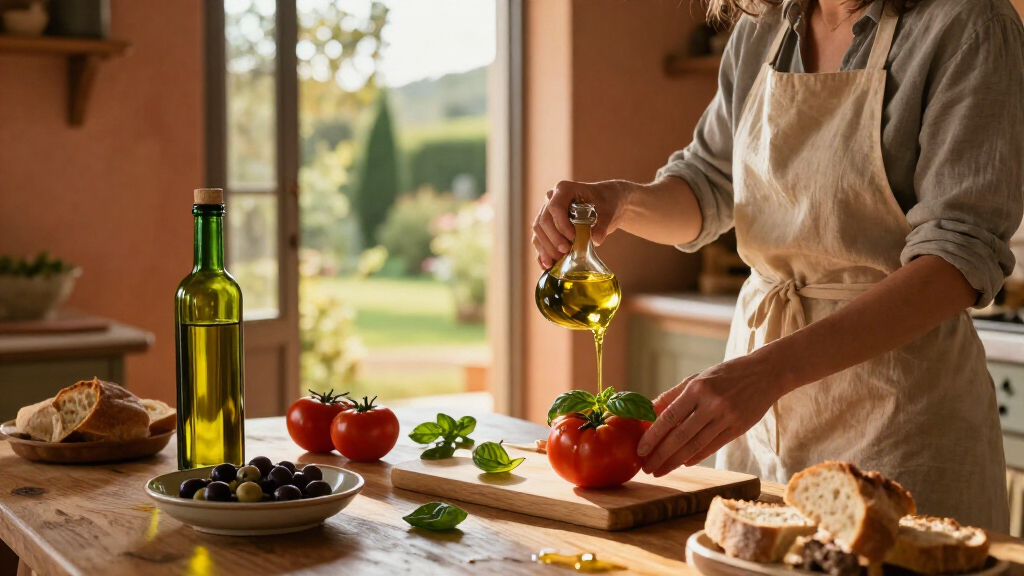
I compared the 14 listed oils by the information available about Italian origin, regional identity, production style, and stated certifications. I also weighed flavor cues such as robust, intense, early-harvest, and fruity against likely uses: finishing, dipping, dressings, or everyday cooking. Packaging and format mattered because a tin, ceramic bottle, or larger container can change how an oil fits a pantry, table, or gifting occasion.
The order favors options with a clear use case and useful points of distinction, rather than treating all Italian oils as interchangeable. Frescobaldi ranks first for its recognizable Tuscan Laudemio identity and finishing-oil role; broader-use formats such as Monini and De Cecco follow for everyday flexibility. Specialty attributes—including organic labeling, PDO status, high stated polyphenols, single-estate sourcing, and distinctive packaging—earn their place when they help a particular buyer, but they do not automatically make an oil the best fit for every kitchen. Product details can vary by harvest and listing, so I give more weight to claims buyers can verify on the bottle than to assumptions about flavor or freshness.
| Italian olive oil | Extraction |
|---|---|
| Antico Frantoio Muraglia Peran | — |
| Frantoi Extra Virgin Olive Oil | Cold pressed |
| Pruneti Frantoio Organic Extra | — |
| De Cecco Extra Virgin Olive Oi | Cold extracted below 80°F (27°C) |
| Virgeen Italian Extra Virgin O | — |
| Frescobaldi Laudemio Extra Vir | — |
| Monini GranFruttato 100% Itali | Cold-extracted within 24 hours of picking |
| Laudemio Volmiano Organic Tusc | Cold extracted |
| Entimio Intenso Organic Italia | Cold extracted |
| Partanna Robust Extra Virgin O | Cold-extracted within four hours of harvest |
| ArteOlio Prezioso Extra Virgin | — |
| BONO Organic Sicilian Val di M | — |
| Frantoi Cutrera Primo Sicilian | Cold extracted |
| Yolioo Organic Italian Extra V | — |
Factors to Consider When Choosing Best Italian Olive Oils
The right bottle depends less on a single “best” label and more on how you cook, how strongly you like your oil, and how quickly you use it. I’d choose in this order: intended use, flavor intensity, freshness information, then origin and packaging claims.
Match the oil’s intensity to the food
Robust and intense oils can bring peppery, bitter, green notes to beans, grilled vegetables, tomato, and bread, but those flavors may crowd delicate fish or mild dressings. A gentler oil is often easier to use across a wider range of dishes, while a bold bottle can be more rewarding when the food can stand up to it. “Fruity” or “robust” on a label is a clue, not a standardized flavor guarantee. If you are unsure, start with a versatile oil for cooking and add a smaller, more assertive bottle for finishing. Avoid choosing solely by the region name; cultivar, harvest, and producer style also shape flavor.
Read harvest and freshness details before origin claims
Olive oil is best judged as a fresh food, so a harvest date can be more useful than a vague “premium” description. A best-before date alone does not tell you when the olives were picked, and a long shelf window is not proof of a recently milled oil. Early harvest often signals a greener, more assertive style, but it does not guarantee a flavor you will enjoy. Buy a container size you can use while the oil still smells and tastes lively, and store it away from heat, light, and air. If the listing does not show harvest details, check the bottle or ask the seller rather than inferring freshness from packaging or price tier.
Understand what Italian origin actually tells you
“100% Italian” indicates a stronger origin claim than a general Italian-style name, while a regional designation such as PDO ties an oil to a defined place and production rules. Those labels help buyers who care about provenance, but they do not settle questions of intensity, freshness, or personal preference. A Tuscan oil and a Sicilian oil may differ in character, yet neither region guarantees that every bottle will taste the same. Look for the exact wording on the package and distinguish country of origin from the location where an oil is bottled. If traceability matters most, favor products that state a specific region, estate, or protected designation clearly.
Treat polyphenol figures as one part of the decision
High-polyphenol claims can help identify oils marketed for a more pungent, bitter, early-harvest profile, but a number should not replace flavor preference or freshness checks. The listed figures for Pruneti and Laudemio Volmiano are product claims that buyers should confirm on current packaging, since harvest and testing details may change. Ask whether the figure refers to the oil as sold and whether the label explains its measurement. A higher figure may come with a stronger taste that is not suited to every dish. Choose by the combination of verified labeling, the flavor you want, and how you plan to use the bottle.
Choose packaging and bottle size around your routine
Light, heat, and oxygen can dull olive oil, so packaging and storage habits matter after opening. A tin can shield oil from light, while dark glass is also useful; a decorative ceramic bottle may look appealing but is harder to assess unless the oil’s storage and refill details are clear. Larger formats can suit frequent cooks, but they are a poor fit if you use oil slowly or leave the container near a stove. Smaller bottles make more sense for occasional finishing or sampling a distinctive regional style. Keep the container closed and stored in a cool, dark cupboard, and pour only what you expect to use soon.
Pay for a specific benefit, not a vague premium cue
Premium packaging, organic certification, single-estate sourcing, and protected-origin status each answer different buyer priorities. None alone guarantees that an oil will be fresher or better suited to your palate than a simpler bottle. Pay more when a traceable origin, verified certification, distinctive flavor, or presentation matters to you; choose a straightforward larger format when your main need is everyday cooking. For gifts, packaging may be part of the value, while repeat pantry use puts more weight on container size and flavor versatility. Compare the exact label claims rather than treating “extra virgin” or “Italian” as enough information to distinguish two options.
Frequently Asked Questions
Which of these Italian olive oils should I buy if I want just one bottle for cooking and finishing?
I would start with Monini GranFruttato if you want a larger-format oil with a clearly stated 100% Italian identity and a versatile role. If you prefer a more distinctive Tuscan oil and expect to use it often as a finishing drizzle, Frescobaldi Laudemio is the more focused pick. No single bottle will suit every palate, so consider whether you like a pronounced green or peppery finish before choosing a bold style. Check the current label for harvest and storage details, then buy a size you can use while fresh. For a household with varied tastes, a broad-use bottle is usually a safer starting point than an especially intense early-harvest oil.
Does a high polyphenol number mean an oil will taste better?
No: a high stated polyphenol level is not a universal quality score or a guarantee that you will like the flavor. Oils with stronger polyphenol claims, such as Pruneti Frantoio and Laudemio Volmiano, may appeal to people who enjoy bitter, peppery, green notes. Those traits can be less welcome in delicate dishes or for someone seeking a mild oil. Check the current package for the figure and its measurement details, since product claims can depend on harvest and testing. Taste preference, freshness, and intended use still matter more than the number by itself.
Is a PDO or single-estate oil worth choosing over a 100% Italian blend?
Choose PDO or single-estate labeling when specific provenance and traceability are priorities. BONO Val di Mazara PDO and ArteOlio’s single-estate positioning give buyers different kinds of origin information than a general 100% Italian claim. That extra detail does not automatically mean the oil will taste better to you or stay fresh longer. A blend may be more useful if you want a flexible everyday oil without seeking a particular regional expression. Compare the exact label language and choose the level of traceability that matters for your cooking and budget.
Should I choose a tin, ceramic bottle, or larger bottle?
Choose by how quickly you use the oil and where you will store it. Partanna’s tin can limit light exposure, while a larger bottle such as De Cecco or Monini can suit frequent cooking but may be less practical for occasional use. Muraglia’s handmade ceramic bottle has a presentation advantage, though the listing alone does not tell you everything about the inner storage conditions or how easily you can monitor the oil. Keep any container away from heat and sunlight, and close it promptly after pouring. If you use oil slowly, a smaller format is often a better freshness choice than a bulk container.
Which bottle is the safest choice for someone new to robust Italian olive oil?
If you are new to bolder oils, I would start with a more versatile option such as Monini GranFruttato rather than an explicitly early-harvest or intense bottle. Laudemio Volmiano and Entimio Intenso are better suited to shoppers who already want a pronounced style, while Partanna is a strong regional choice for people who enjoy robust flavors. Use a small amount over bread or vegetables before committing it to every dish. If the taste feels too forceful, reserve it for foods with strong flavors and choose a milder oil for delicate meals. The label’s flavor cues can guide you, but they are not a substitute for personal preference.
Conclusion
For the broadest recommendation, I’d choose Frescobaldi Laudemio as best overall when a Tuscan finishing oil is the goal. Monini GranFruttato is my best value-style pick for shoppers who want a larger, more flexible Italian bottle, while Pruneti Frantoio suits buyers prioritizing organic labeling and a stated high-polyphenol profile. For a beginner, I’d start with Monini rather than a particularly intense early-harvest oil; for a bold Sicilian option, choose Partanna, and for protected regional provenance, look at BONO Val di Mazara PDO. If presentation is the priority, Muraglia’s ceramic bottle stands apart; whichever you choose, check current harvest information and match the bottle size to how quickly you cook with olive oil.
Evergreen bestsellers Picks

Ninja AF181 Air Fryer XL, 6.5 Qt, 6-in-1, Dark Grey

Shark Pet Cordless Stick Vacuum, Up to 40-Minute Runtime, Lightweight, IX141

Dyson V8 Cyclone Cordless Vacuum
As an affiliate, we earn on qualifying purchases.