
TL;DR

Get kitchen staples and gadgets delivered free with Prime
- Fast, free delivery on millions of items
- Prime Video, Amazon Music and more included
- Member-only deals all year
A Daily Coffee News report published Oct. 28 outlines questions buyers should ask before purchasing a used coffee roaster, including about maintenance, parts, installation, emissions compliance and capacity. CoffeeTec marketplace data cited in the report show 65 roaster units sold across 59 listings from September 2025 through August 2026; the data describe that marketplace, not the entire industry.
Daily Coffee News by Roast Magazine published a report Oct. 28 outlining questions coffee businesses should ask before buying a used roaster, including whether the machine can be tested, whether parts remain available and what installation or compliance work may cost. The report also cites CoffeeTec marketplace data showing 65 roaster units sold across 59 listings from September 2025 through August 2026, offering buyers a snapshot of activity on that marketplace rather than a measure of the entire used-equipment market.
The report frames the purchase as a trade-off: used equipment can cost less than a new machine, but usually lacks the same warranty and manufacturer support. It recommends asking for maintenance records and arranging an independent technical inspection before paying. Buyers are also advised to request a live test roast or video showing the machine operating, and to check for rust, cracks and general wear.
Other practical questions concern whether manuals and replacement parts are available, who will install and service the machine, and whether the buyer has the skills to maintain it. The report also urges buyers to check the roaster’s age without treating age alone as a verdict: parts may be replaceable, while a serious defect such as a cracked casting may be a reason to walk away.
Costs beyond the sale price can include freight, rigging, modifications to gas or ventilation systems, and upgrades needed to meet emissions or electrical requirements. Buyers should match capacity to current production rather than a hoped-for future volume, the report says. A machine that is too large or too small can undermine the savings from buying used.
The Costs Beyond the Sale Price
The purchase price is only one part of the decision. A used roaster that needs repairs, specialist installation or compliance upgrades can cost substantially more to put into service than its listing suggests. Without a warranty, buyers may also have to cover faults that emerge after delivery, making an inspection and service plan important before a transaction is final.
These checks matter especially for smaller cafes and roasters weighing whether to bring roasting in-house. The report describes used equipment as a more attainable route than a new machine for some businesses, but the financial benefit depends on the machine being suitable, serviceable and legally operable at the intended site. Inspection, transport and compliance costs should be considered alongside the asking price, not after purchase.
Products Worth Considering

Weber Genesis E-415 4-Burner Propane Gas Grill, Black
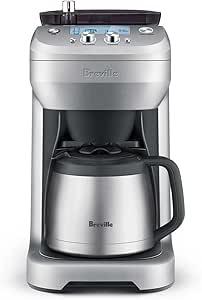
Breville Grind Control BDC650BSS Thermal Carafe Coffee Maker – Brushed Stainless Steel

De'Longhi 3-in-1 Specialty Coffee Brewer, 8-Cup
As an affiliate, we earn on qualifying purchases.
A Year of CoffeeTec Sales
CoffeeTec’s marketplace figures cited by the report cover September 2025 to August 2026. During that period, 65 roaster units sold across 59 listings, while the marketplace recorded 503 total items ordered. June had 60 items ordered and September had 59; the report says activity remained present in slower months as well. These item-order figures are not the same as roaster-unit sales.
The report says most roaster sales fell into the under-$10,000 and $10,000-to-under-$50,000 price bands. One industrial-tier machine priced at $100,000 or more sold during the period: a 45-kilogram Probat listed at $145,000. It also compares January through August 2025 with the same months in 2026, reporting an increase in roaster units sold from six to 44 on the marketplace. Store-wide items ordered rose 80%, and completed checkouts rose 94%.
Those figures are marketplace-specific observations. The report does not establish that they represent all used-roaster transactions, nor do the figures alone explain why sales changed. They provide recent context for buyers, but not a guarantee that a particular model will be available or that prices will follow the same pattern.
What the Marketplace Figures Show
The data describe CoffeeTec’s marketplace and the periods specified in the report. They do not establish the size or growth rate of the wider used-roaster market, and the source does not provide a comparison baseline for every monthly activity figure. The reported increase from six to 44 units applies specifically to January-August 2025 versus January-August 2026 on that marketplace.
The report does not give model-by-model failure rates, typical repair bills, resale values or the share of listings that required upgrades. Those details can vary by machine, location and site conditions. Buyers still need to verify the condition and compliance requirements of the individual roaster rather than assume that marketplace trends predict its performance.
Checks to Make Before Payment
The report’s suggested sequence starts with requesting maintenance records, then having an independent technician inspect the equipment before money changes hands. Buyers should confirm parts and manuals are obtainable, ask the seller to demonstrate operation, and establish who will handle installation and ongoing service.
Before committing, prospective owners should also obtain estimates for freight, rigging, site preparation and any required emissions or electrical work. They should compare the machine’s capacity with current production needs and identify defects that would make the purchase impractical. The report does not identify a further industry deadline or scheduled market update; the next steps are buyer-specific checks on the machine and its installation site.
Key Questions
What should I check first when considering a used coffee roaster?
Ask for maintenance records and arrange an independent inspection before paying. Check the machine for rust, cracks and wear, and request a live demonstration or video of it operating.
Can a used roaster’s age alone tell me whether it is a bad purchase?
No. The report says age is a common concern, but parts may be replaceable. Condition, parts availability, maintenance history and the cost of repairs matter; a serious defect such as a cracked casting may be grounds to walk away.
What extra costs should buyers budget for?
Potential costs include freight, rigging, installation, gas or ventilation work, repairs and updates needed for emissions or electrical compliance. Requirements depend on the machine and the site, so buyers should seek estimates before committing.
What do the sales figures say about the used-roaster market?
CoffeeTec recorded 65 roaster units sold across 59 listings from September 2025 through August 2026. The report also says unit sales on that marketplace rose from six in January-August 2025 to 44 in January-August 2026; those figures should not be treated as a complete count of industry-wide sales.
Source: dailycoffeenews.com