🔍 Read the full analysis: Pizzoccheri Della Valtellina: Buckwheat Ribbons, Cabbage, And Cheese on Mad Tasting

Get kitchen staples and gadgets delivered free with Prime
- Fast, free delivery on millions of items
- Prime Video, Amazon Music and more included
- Member-only deals all year
TL;DR
Mad Tasting has published a guide to pizzoccheri della Valtellina, a regional Lombard dish of buckwheat-and-wheat pasta, potatoes, cabbage, cheese and garlic-scented butter. The guide outlines traditional ingredient choices and practical home-cooking tips, while noting that the usual pasta contains wheat and is not gluten-free.
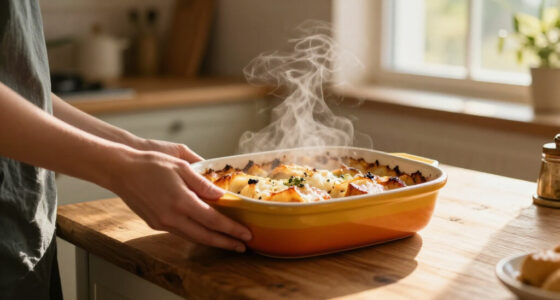
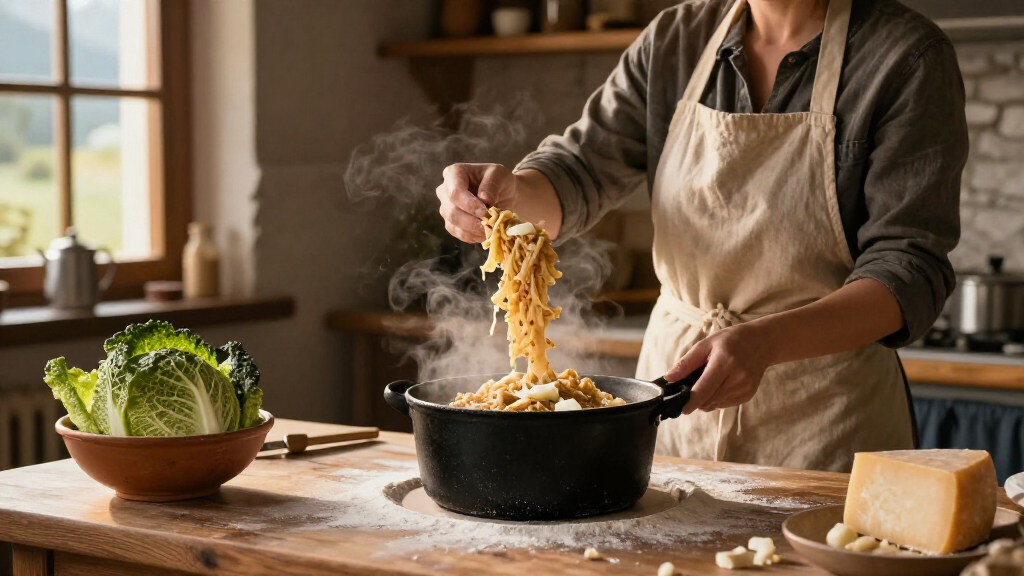
Mad Tasting has published a guide to pizzoccheri della Valtellina, a hearty pasta dish associated with Teglio and the Valtellina valley in Lombardy. The guide describes the familiar combination of buckwheat-and-wheat ribbons, potatoes, cabbage, Valtellina Casera DOP cheese and garlic-scented butter, and offers practical advice for preparing it at home.
According to Mad Tasting’s guide, the pasta is typically made from buckwheat and wheat flour, then cooked with potatoes and cabbage. The cooked ingredients are layered with Valtellina Casera DOP and finished with butter scented with garlic. The guide describes buckwheat as contributing an earthy flavor, with potatoes softening and cabbage bringing mild sweetness. It also notes that the sturdy, short ribbons are suited to being served with vegetables and melted cheese in each forkful.
For a home version, Mad Tasting recommends cooking the pasta and vegetables in stages to account for their different cooking times. The guide advises draining the ingredients well and assembling them while hot so the cheese softens among the layers. Fresh pasta may cook faster than dried pasta, it says; cooks using packaged dried pizzoccheri should follow the timing on the packet.
The article identifies Savoy cabbage and Valtellina Casera DOP as familiar regional choices. It says Bitto may also be used, sometimes alongside Casera. Other cabbage varieties or leafy greens can be substituted, but the guide cautions that their flavor and texture will differ; tender greens should be added late enough to avoid overcooking. A different semi-hard cheese that melts well can also work, though Mad Tasting describes that as a home adaptation rather than an exact regional-style version.
Alpine Foodways · Lombardy, Italy
Pizzoccheri della Valtellina
Buckwheat ribbons, potatoes, Savoy cabbage, Valtellina Casera DOP and garlic-scented butter come together in a hearty dish rooted in the mountain valley around Teglio.
01 / What goes in
A mountain dish, built in layers
The ingredients work together: buckwheat brings an earthy note, potatoes add softness, cabbage gives mild sweetness, and melted cheese binds the warm ribbons and vegetables.
Buckwheat + wheat
Short, flat ribbons hold vegetables and melted cheese in each forkful.
Savoy cabbage
A familiar regional choice with a mild, gently sweet flavor.
Potatoes
Soft, substantial pieces make the dish especially satisfying.
Valtellina Casera DOP
The guide’s familiar cheese choice, layered while everything is hot.
Bitto
Another named cheese option, sometimes used alongside Casera.
Garlic-scented butter
Poured over the layers to finish the dish with rich aroma.
02 / Home kitchen sequence
Cook in stages. Assemble while hot.
Pasta and vegetables may need different cooking times. Drain them well, then layer promptly so the cheese softens among the ingredients.
Check the pasta
Identify fresh or dried pasta, read the packet directions and check the flour ingredients.
Time the vegetables
Account for the vegetables’ cooking needs. Tender leafy greens go in near the end.
Drain thoroughly
Well-drained pasta and vegetables help keep the layered dish from becoming watery.
Layer and finish
Assemble while hot with cheese between layers; finish with garlic-scented butter.
03 / Regional style & substitutions
Know what changes in the bowl
Ingredient swaps make the dish more accessible at home. They can also change its flavor and texture, so distinguish an adaptation from the familiar regional combination.
Keep the signature combination
Choose buckwheat-and-wheat pizzoccheri, Savoy cabbage, potatoes, Valtellina Casera DOP and garlic-scented butter.
Substitute with care
Other cabbage or leafy greens can work; add tender greens late. A different semi-hard melting cheese can also work, with a change in character.
Buckwheat does not make this pasta gluten-free
Buckwheat is a seed, but the traditional pasta described in the guide also contains wheat flour. Anyone who must avoid gluten should check labels and use a separately made, appropriately labeled gluten-free product. People with celiac disease or wheat allergy should also consider cross-contact.
04 / Place & designation
From an Alpine valley to home kitchens
Mad Tasting links the dish to Teglio and the Valtellina valley, presenting it as a regional combination of filling local staples.
The source material says the name Pizzoccheri della Valtellina has an EU Protected Geographical Indication (PGI) designation. A geographical designation connects a recognized product with a place and production requirements.
A home-cooked dish following the broad regional style is not automatically a certified product. The supplied material does not reproduce the current product specification; consult the official specification and labeling rules before making precise claims about qualification.
Packaged pizzoccheri help bring the dish to kitchens beyond the valley, though pasta and substitutions may differ from locally prepared versions.
05 / What the guide specifies
Useful context, with details left open
The supplied Mad Tasting material gives preparation guidance, but leaves several recipe and publication details unspecified.
Publication date and exact ingredient quantities.
Cooking time; follow dried pasta packet directions and allow for faster-cooking fresh pasta.
The current PGI specification is not reproduced in the supplied material.
06 / Quick answers
Before you cook
A few practical points for choosing ingredients and assembling a home version.
A Lombard dish of short, flat buckwheat-and-wheat pasta, commonly cooked with potatoes and cabbage, then served with cheese and garlic-scented butter.
Valtellina Casera DOP is the familiar choice; Bitto is also mentioned. Other melting semi-hard cheese changes the dish’s regional character.
Yes. Other cabbage varieties or leafy greens can work; add tender greens late to avoid overcooking.
Cook to suit each ingredient, drain well, layer while hot with cheese, then finish with garlic-scented butter.
A Mountain Dish for Home Kitchens
Mad Tasting’s guide explains how the dish’s ingredients work together, rather than treating it as pasta with interchangeable toppings. Buckwheat, potatoes, cabbage, dairy and butter make a substantial meal associated with an Alpine food tradition. The guide says that combination helps explain why the dish is often served as a main course, particularly in colder weather.
The article’s practical advice is relevant to cooks outside Lombardy, where the named cheese or fresh pasta may not be easy to find. Mad Tasting distinguishes between following the familiar regional pattern and making substitutions: alternative greens or cheese can produce a satisfying dish, but they change its character. The guide’s distinction helps readers avoid presenting an adapted bowl as identical to the local version.
The guide also notes a dietary consideration: buckwheat is a seed, not a type of wheat, but the traditional pasta it describes also contains wheat flour. It therefore says the dish is not suitable for someone who needs to avoid gluten unless a separately made, appropriately labeled gluten-free version is used.
Products Worth Considering

Le Creuset Enamemed Cast Iron Oval Dutch Oven, 5 qt., White/Crucible

Cuisinart 14-Cup Food Processor, 720-Watt, Stainless Steel (DFP-14BCNY)

Instant Pot Pro 8-Quart 10-in-1 Electric Pressure Cooker
As an affiliate, we earn on qualifying purchases.
Teglio and the Valtellina Tradition
Mad Tasting’s guide links pizzoccheri closely to Teglio, a town in Lombardy, which it describes as the dish’s historic home. The article identifies Valtellina as an Alpine valley and connects the dish’s filling ingredients with the local mountain setting. It presents the recipe as a regional combination of available staples, rather than a newly developed food trend.
The supplied source material says the name Pizzoccheri della Valtellina has an EU Protected Geographical Indication, or PGI, designation. A geographical designation connects a recognized product with a place and production requirements. Mad Tasting’s guide cautions that a home-cooked dish following the broad regional style is not automatically the same as a certified product. The source material advises checking the current product specification and labeling requirements before making claims about exact production rules.
According to the guide, packaged pizzoccheri are available for home kitchens. That makes the dish more accessible beyond the valley, although packaged pasta and ingredient substitutions may differ from a version made locally with traditional choices.
Recipe Details and Labeling Rules
The supplied Mad Tasting material does not give a publication date, a full recipe with exact ingredient quantities, or a specific cooking time. The guide advises cooks to follow package directions for dried pasta and account for faster cooking with fresh pasta, but precise timing depends on the product and the size of the vegetables.
The source material does not reproduce the current PGI product specification. It says the designation sets production requirements, but readers should consult the current official specification before making precise claims about what qualifies as a protected product. No external confirmation of those details was provided with the material for this article.
Mad Tasting says substitutions can be made, but does not claim that a version using other greens, cheese or gluten-free pasta has the same status or flavor as the traditional preparation. The usual buckwheat-and-wheat pasta contains gluten; readers with celiac disease or a wheat allergy would need to check product labels and avoid cross-contact as appropriate.
Check Ingredients Before Cooking
Based on Mad Tasting’s advice, readers preparing the dish can start by checking whether the pasta is fresh or dried, reading its cooking instructions, and confirming the flour ingredients. Those avoiding gluten should not assume that buckwheat pasta is gluten-free: the traditional blend described in the guide includes wheat. Product labels and preparation conditions matter for people with dietary restrictions.
For a closer regional-style version, the guide recommends buckwheat-and-wheat pizzoccheri, Savoy cabbage, potatoes, Valtellina Casera DOP and garlic-scented butter. If a named ingredient is unavailable, Mad Tasting says a melting semi-hard cheese or another green can be used, with the understanding that the dish will differ. The supplied material does not announce a future update or event; further details about official product requirements would need to come from the current PGI specification.
Key Questions
What is pizzoccheri della Valtellina?
Mad Tasting describes it as a Lombard dish made with short, flat buckwheat-and-wheat pasta, commonly cooked with potatoes and cabbage and served with Valtellina Casera DOP and garlic-scented butter.
Is traditional pizzoccheri gluten-free?
No. The Mad Tasting guide says that although buckwheat is not wheat, the traditional pasta it describes also contains wheat flour. Anyone who must avoid gluten should check labels and use a suitable gluten-free product instead.
Which cheese is used in the dish?
Mad Tasting identifies Valtellina Casera DOP as the familiar choice. The guide also mentions Bitto and says a different semi-hard cheese that melts well can be used at home, with a change in flavor and regional character.
Can I use greens other than Savoy cabbage?
Yes. The guide says other cabbage varieties or leafy greens can work. Add tender greens near the end so they wilt without becoming overcooked, and expect a different texture and flavor.
How should I assemble pizzoccheri at home?
Mad Tasting advises cooking the pasta and vegetables with their different cooking times in mind, draining them well, then layering them while hot with cheese and finishing with garlic-scented butter. For dried pasta, follow the packet’s cooking directions.
Source: Mad Tasting