
Over-sharpening your knives is a common mistake that can dull them quickly and cause damage. When you sharpen too often or use excessive pressure, you remove too much metal, weakening the edge and leading to micro-chipping or faster dulling. This shortens your knife’s lifespan and makes cutting less effective. To keep your knives sharp longer, you need to understand proper techniques and timing. Stay with us to discover how to sharpen correctly and avoid this costly mistake.

Get kitchen staples and gadgets delivered free with Prime
- Fast, free delivery on millions of items
- Prime Video, Amazon Music and more included
- Member-only deals all year
Key Takeaways
- Using excessive force during sharpening can remove too much metal, weakening the blade and causing rapid dulling.
- Sharpening at incorrect angles (too steep or inconsistent) damages the edge and accelerates dullness.
- Over-sharpening or frequent unnecessary sharpening wears down the blade faster, reducing its lifespan.
- Poor technique, such as using rough or incompatible abrasives, can create microchips and dull the knife quickly.
- Neglecting proper storage and maintenance leads to blade damage, increasing the need for frequent sharpening.
As an affiliate, we earn on qualifying purchases.
How Over-Sharpening Dulls Your Knives and Damages the Edge
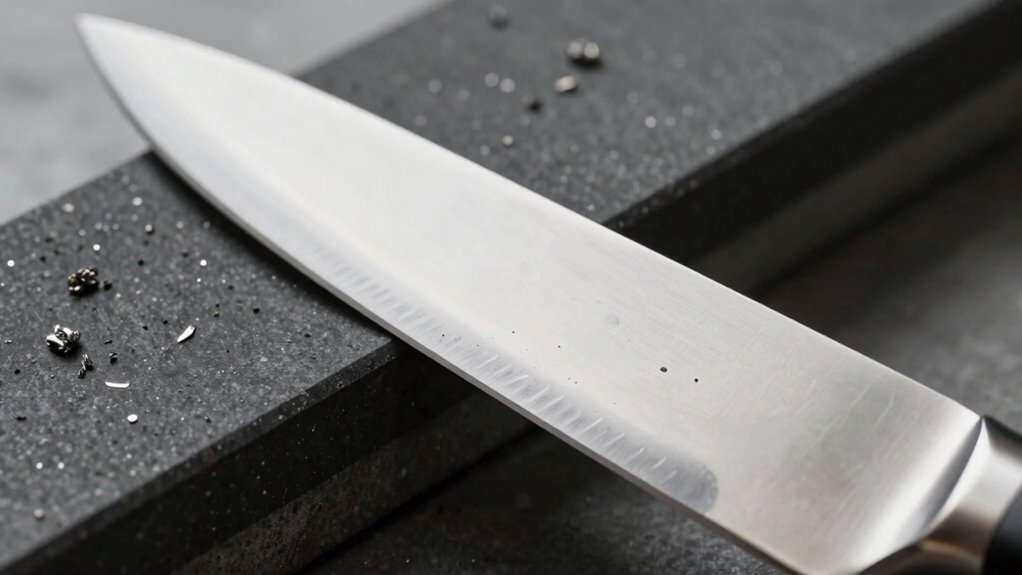
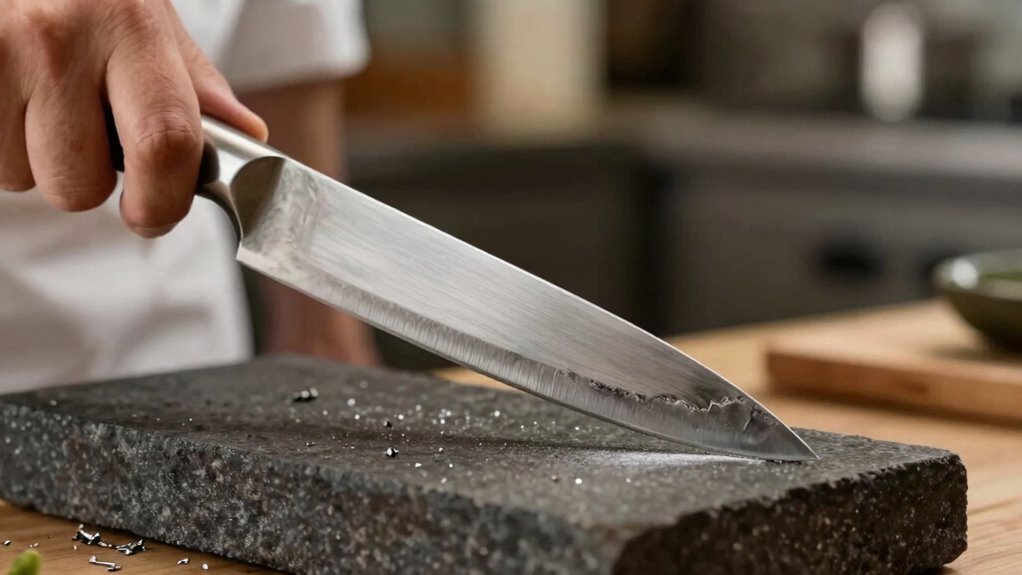
Many people believe that sharpening their knives frequently will keep them in perfect condition, but overdoing it can actually harm the blade. When you sharpen too often, you risk removing too much metal, which dulls the edge faster over time. Proper kitchen ergonomics—like maintaining a comfortable grip—becomes harder if your knife handle materials aren’t suited for frequent honing, leading to slips or uneven results. Over-sharpening can create micro-chips and weaken the blade’s structure, making it more fragile. Instead of constant sharpening, focus on honing regularly and sharpening only when necessary. This approach preserves the integrity of your knife, protects the handle materials, and ensures you maintain a sharp, durable edge without damage.
Knowing When to Sharpen Your Knife for Best Results
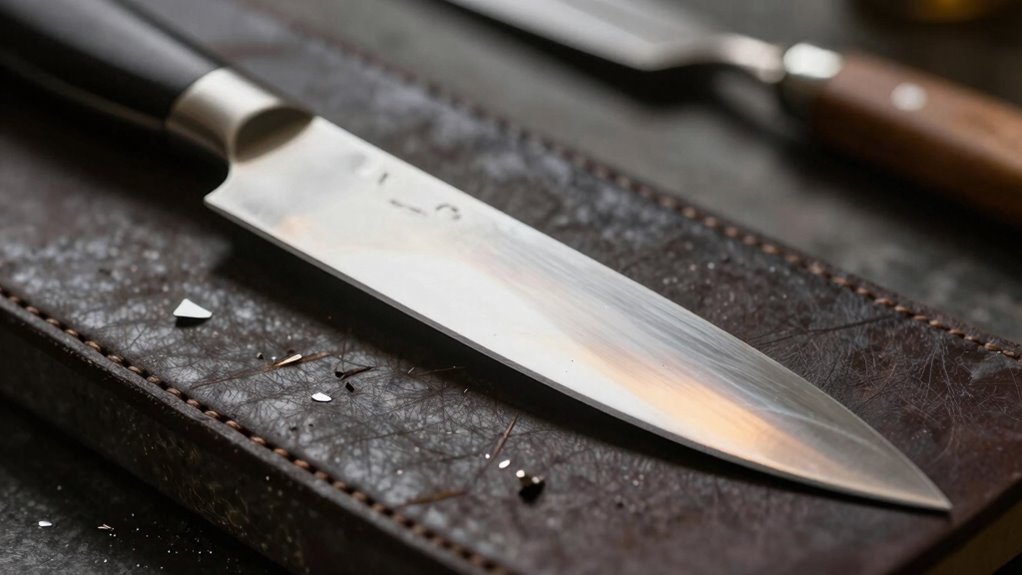
You’ll notice your knife isn’t cutting as smoothly or requires more force, which signals dullness. How often you use it and the quality of cuts you make also indicate when it’s time to sharpen. Paying attention to these signs helps you sharpen at the right moments for peak results. Regularly inspecting your tools and understanding proper sharpening techniques can prevent premature dulling and ensure safe, efficient woodworking. Using the right knife maintenance practices can also extend the lifespan of your blades. Being aware of sound healing science can inspire innovative ways to approach your tool care routine. Recognizing smart design principles can further enhance your overall kitchen organization and efficiency.
Signs of Dullness
A dull knife often reveals itself through noticeable signs during your food prep. You might notice increased effort needed to cut, which can lead to slips and compromise knife safety. Slicing becomes uneven, crushing or tearing your ingredients instead of clean cuts. This not only affects presentation but also affects kitchen ergonomics—forcing you to apply more force, which strains your hand and wrist. If your knife feels dull, it’s time to sharpen it to maintain efficiency and safety. A sharp knife provides better control, reducing the risk of accidents. Pay attention to how your knife performs; if it drags or requires extra pressure, those are clear signs it’s dull. Recognizing these signs early helps you keep your knives in peak condition and ensures safer, more precise cooking. Regular maintenance, like proper sharpening techniques, can also extend the lifespan of your knives and keep them performing at their best. Additionally, understanding the role of blade material can help you choose the right sharpening method for your specific knives, especially since different materials may require different cleaning and maintenance approaches. Being aware of time zone differences can also be useful if you’re coordinating with others internationally on your culinary projects or sourcing tools from different parts of the world.
Frequency of Use
How often should you sharpen your knife? It depends on your usage, but generally, frequent use means more frequent sharpening. If you store your knife properly and use appropriate cutting surfaces, it can stay sharper longer. For everyday tasks, sharpening once every few weeks is enough. Heavy chopping or cutting on hard surfaces like glass or ceramic shortens this interval. Keep in mind that dull knives force more pressure, dulling faster and risking damage from improper storage. To visualize:
| Usage Frequency | Recommended Sharpening Interval |
|---|---|
| Light (weekly prep) | Every 4-6 weeks |
| Moderate (daily tasks) | Every 2-3 weeks |
| Heavy (professional use) | Weekly or even twice a week |
Proper knife storage and safe cutting surfaces can extend the time between sharpenings, keeping your blades in top shape.
Cutting Performance Indicators
Recognizing when your knife needs sharpening is essential for maintaining ideal cutting performance. Over time, signs like increased effort, uneven cuts, or slipping can indicate dullness. Pay attention to how your knife interacts with your cutting surface care; a dull blade can cause more damage to your cuts and the surface itself. Good knife ergonomics, like a comfortable grip, also help you assess performance—if your grip feels strained or awkward, it might be time to sharpen. Watch for these indicators:
- Increased force needed for slicing
- Rough or uneven cuts
- Knife slipping or dragging on the food
- Additionally, understanding the Juice Extraction Techniques can help you identify when your knife isn’t performing optimally, especially if you’re preparing fresh juices that require precise and smooth cuts.
Choosing the Right Sharpening Tools and Avoiding Damage
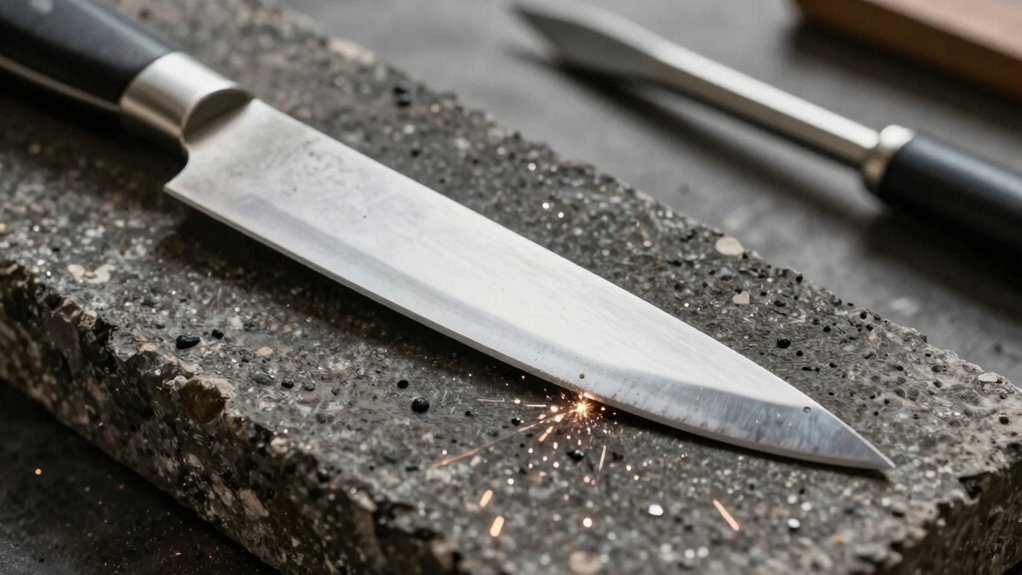
Selecting the right sharpening tools is essential to achieving a sharp edge without damaging your blades. Start by considering your knife’s material compatibility; some steels require specific abrasives or stones. Using incompatible tools can cause microchips or uneven edges, dulling your knife faster. Additionally, proper knife storage helps prevent accidental damage before sharpening, reducing the risk of nicks and chips. Choose sharpening tools suited to your blade’s material—ceramic, steel, or ceramic-coated—and avoid overly aggressive stones that can remove too much metal or cause scratches. Always match the grit of your sharpening stone or system to your needs. Proper technique and understanding of blade maintenance can significantly extend your knife’s lifespan. Regularly inspecting your blades for signs of wear and using the right sharpening methods are key to maintaining their performance. Incorporating the appropriate cleaning and maintenance routines can further prolong your blades’ sharpness and overall condition. By selecting appropriate tools and maintaining good knife storage, you safeguard your blades and ensure they stay sharp longer.
Step-by-Step Guide to Proper Knife Sharpening Techniques
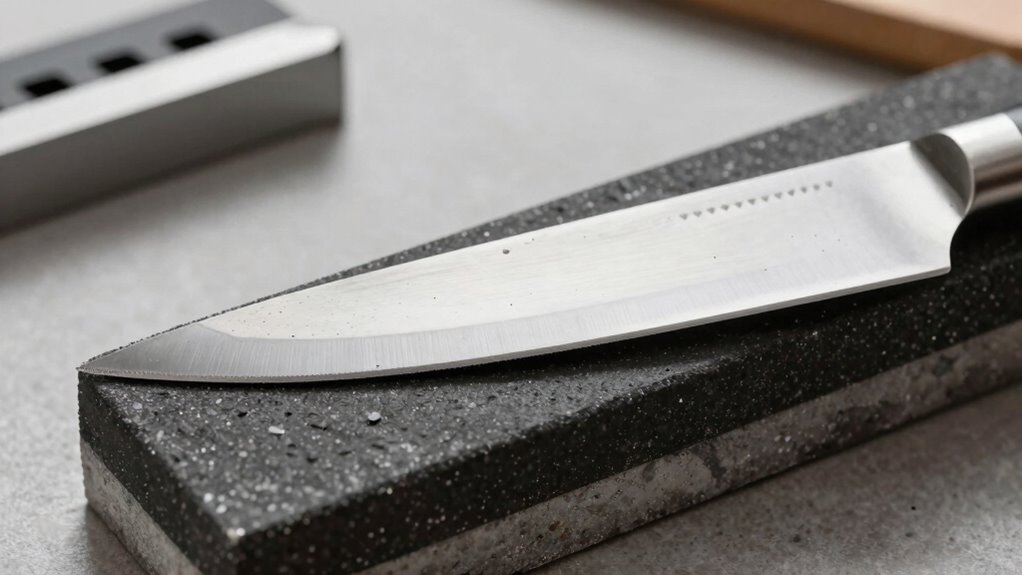
To sharpen your knife correctly, start by selecting the right sharpener for your blade type. Maintain a consistent angle and use smooth, controlled motions to guarantee an even edge. Mastering these steps helps prevent damage and keeps your knife performing at its best. Incorporating proper technique ensures your tools stay in top condition, much like selecting the appropriate gear is vital in astrophotography for capturing clear images. Ensuring you use the right oil for airless sprayers can also prevent equipment damage and maintain optimal performance during maintenance. Paying attention to precise sharpening techniques can elevate your skills and prolong the lifespan of your knives.
Choosing the Right Sharpener
Choosing the right sharpener is essential for achieving a sharp, durable edge without damaging your knives. The best sharpener suits your knife handle and your kitchen safety needs. Consider these options:
- Whetstones: Offer precision, ideal for maintaining high-quality blades but require proper technique.
- Pull-through sharpeners: Easy to use and quick, perfect for everyday kitchen safety.
- Electric sharpeners: Provide consistent results and are user-friendly, great for busy kitchens.
Select a sharpener compatible with your knife handle and verify it’s stable during use. Proper choice minimizes the risk of slips or accidents, protecting you and your knives. A good sharpener prevents damage, keeps your blades in top shape, and makes sharpening safer and more effective. Incorporating landscaping elements in your workspace can also help create a safer, more organized environment for knife maintenance.
Proper Angle and Motion
Getting the angle right is crucial for a sharp and durable edge, and mastering the proper motion guarantees consistent results. Your blade’s geometry determines how sharp and long-lasting the edge will be, so maintaining the correct angle guarantees maximum edge durability. Typically, this means holding the knife at about 15 to 20 degrees against the sharpening stone. Use smooth, controlled strokes, applying consistent pressure as you move the blade across the stone in a steady, circular or sweeping motion. Keep the angle steady throughout each pass to prevent uneven sharpening and to preserve the blade’s geometry. Proper motion not only improves the edge but also reduces the risk of damaging or dulling your knife prematurely. Practice patience and precision for the best results.
Honing vs. Sharpening: What’s the Difference and When to Use Each
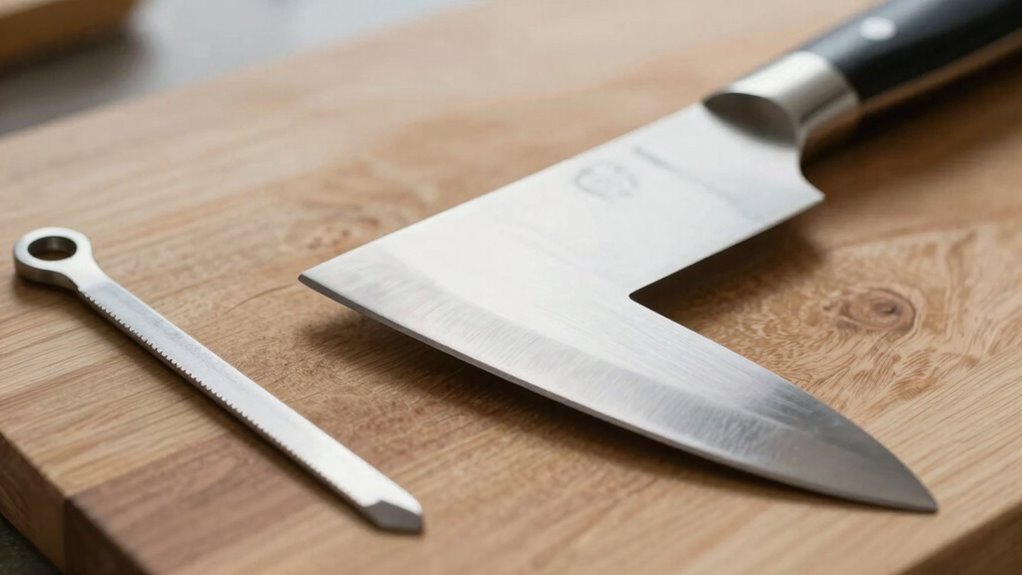
Ever wonder how honing differs from sharpening? Honing realigns the edge of your blade, smoothing out microscopic bends, and is best done regularly to maintain a sharp edge. Sharpening, on the other hand, removes material to create a new, sharper edge altogether, usually needed when the blade becomes dull.
Consider these key points:
Focus on honing regularly to maintain your blade’s edge and reduce the need for frequent sharpening.
- Honing is quick and gentle, ideal for frequent maintenance based on your blade material.
- Sharpening is more aggressive, necessary when honing no longer restores cutting performance.
- Frequency depends on your knife’s use and blade material; harder steels may need less sharpening but more honing.
Use honing often to extend sharpening intervals, preserving your knife’s edge and longevity. Remember, over-sharpening can dull even the best blades.
Common Mistakes That Speed Up Knife Dulling
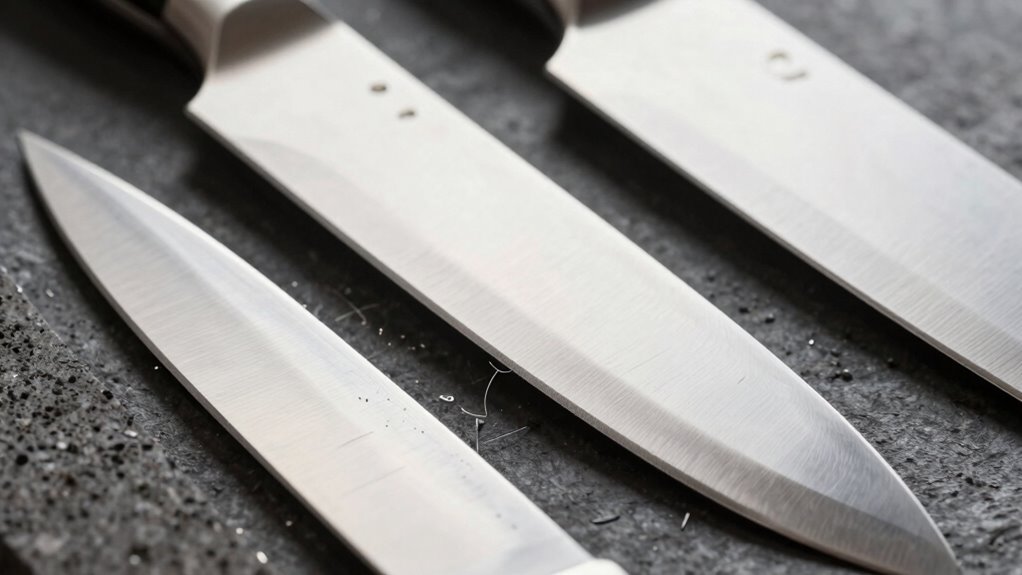
Ignoring proper technique and common mistakes when maintaining your knife can considerably speed up dulling and reduce its lifespan. One major mistake is improper knife storage; tossing your knife into a cluttered drawer can cause blades to bump and chip, leading to faster dulling. Avoid storing knives loose or with other utensils, as this increases the risk of blade corrosion, especially if moisture gets trapped. Moisture promotes rust and weakens the metal, making the edge dull quicker. Instead, use a dedicated knife block or magnetic strip to keep blades safe and dry. Neglecting these storage practices accelerates dullness and damages the blade, forcing you to sharpen more often and shortening your knife’s overall life. Proper storage is key to maintaining a sharp, durable edge. Additionally, proper maintenance routines such as regular honing and avoiding cutting on hard surfaces can help preserve your knives longer. Using appropriate cutting techniques prevents unnecessary stress on the blade and helps maintain its sharpness. Paying attention to blade care techniques can further extend the life of your knives and keep them performing at their best. Remember, caring for your knives properly is essential for preventing premature dulling and ensuring longevity.
Daily Tips to Maintain a Sharp Knife Edge
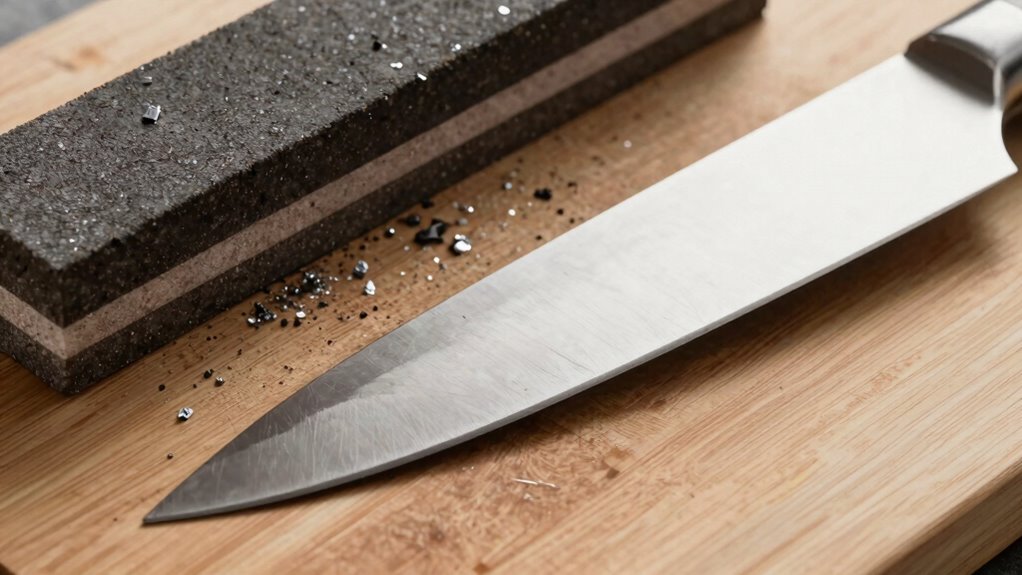
Maintaining a sharp knife edge requires consistent, simple daily habits. Proper knife storage helps prevent dulling; store knives in a knife block or on a magnetic strip to avoid contact with other utensils. Always use a suitable cutting surface—preferably wood or plastic—since harder surfaces like glass or stone can quickly dull your blade. Additionally, develop the habit of wiping your knife after every use to remove food particles and moisture, which can cause corrosion. Using the right tools and techniques, such as sharpener maintenance, can further ensure your knives stay in top condition. Regularly inspecting your knives and understanding blade longevity also contribute to maintaining a sharp edge over time. For optimal results, understanding different cutting techniques can help reduce unnecessary wear on your blades.
To keep your knife sharp daily:
- Store it properly in a knife block or magnetic strip
- Use a soft, non-abrasive cutting surface
- Wipe and dry the blade immediately after use
- Incorporate proper sharpening techniques periodically to restore your blade’s edge
These habits help preserve your knife’s edge and prolong its sharpness.
Frequently Asked Questions
How Often Should I Sharpen My Knives for Optimal Performance?
You should sharpen your knives every 3 to 6 months for peak performance. Regular sharpening keeps your blades effective, promoting kitchen safety by reducing slips and accidents. Remember to store your knives properly to prevent dulling and damage; use a knife block or magnetic strip. Avoid putting knives in the dishwasher, as it can cause dulling and rust. Proper maintenance ensures your knives stay sharp and safe to use.
Can Using the Wrong Angle Damage My Knife’s Edge?
Using the wrong angle during knife maintenance can definitely damage your knife’s edge. When you sharpen with incorrect sharpening tools or angles, you risk creating an uneven or weak edge that dulls faster or chips easily. Always pay attention to your knife’s recommended sharpening angle and use proper sharpening tools. This way, you preserve the integrity of your blade, ensuring it stays sharp and performs well longer.
Are Ceramic Knives More Prone to Dulling or Damage?
Ceramic knives are like glass sculptures—beautiful but delicate. Their ceramic durability makes them more prone to dulling or chipping when faced with hard or frozen foods. Unlike metal, ceramic isn’t compatible with most sharpening tools, requiring special equipment. You need to handle them gently, respecting their fragile nature. Think of them as fine china: they cut beautifully but demand care and respect to prevent damage.
What Signs Indicate My Knife Needs Sharpening Immediately?
If your knife starts to drag or slip during cutting, it’s a clear sign it needs sharpening immediately. You might also notice uneven cuts or increased effort, which can compromise knife safety. Regularly check your blade’s edge, and use proper sharpening tools to maintain its sharpness. Dull knives are dangerous, so sharpening promptly helps prevent accidents and keeps your tools effective, ensuring safe and efficient kitchen work.
How Does Blade Material Affect Sharpening Frequency and Technique?
Like a knight’s armor, your blade’s material impacts its durability and how often you sharpen it. Harder materials, such as high-carbon steel, stay sharp longer but need more precise techniques to avoid chipping. Softer blades dull faster but are easier to sharpen. Knowing your blade’s material hardness helps you determine the right sharpening frequency and method, ensuring your knife remains a trusty tool rather than a tarnished relic.
Conclusion
Remember, sharpening your knives correctly keeps them sharp longer and prevents costly damage. Over-sharpening or using the wrong tools can dull your blades faster, making your kitchen tasks more frustrating. Are you ready to master proper sharpening techniques and extend your knives’ lifespan? With a little care and attention, you’ll enjoy sharp, reliable knives every time you cook. Don’t let a simple mistake dull your good knives—take control and sharpen smart!
NFL season / tailgating Picks
team gear
As an affiliate, we earn on qualifying purchases.