
To reduce food waste in your kitchen, start by planning meals ahead and making a shopping list to avoid impulse buys. Store your items properly—like leafy greens in airtight containers and root vegetables in a cool, dark place—to extend their freshness. Use leftovers creatively and regularly check expiration dates to prevent spoilage. Small, consistent habits can make a big difference—continue exploring practical tips to keep your kitchen sustainable and cost-effective.

Get kitchen staples and gadgets delivered free with Prime
- Fast, free delivery on millions of items
- Prime Video, Amazon Music and more included
- Member-only deals all year
Key Takeaways
- Plan meals weekly to buy only necessary ingredients and avoid impulse or excess purchases.
- Store produce properly in breathable containers or cool, dark places to extend freshness and reduce spoilage.
- Use leftovers creatively in new dishes and monitor expiration dates to prevent edible food from being discarded.
- Preserve surplus food through freezing or dehydrating to prolong usability and minimize waste.
- Develop sustainable habits like mindful shopping and proper storage to lower environmental impact and save money.

Reducing food waste in the kitchen is easier than you might think, and it’s a simple step toward saving money and helping the environment. One of the most effective ways to do this is through smart meal planning. Before you head to the grocery store, take a few minutes to plan your meals for the week. Make a list of what you need and stick to it. This prevents impulse buys that often lead to unused ingredients spoiling in your fridge. When you plan your meals, you also get a clear picture of portion sizes, which helps you cook just enough and avoid leftovers that might go bad. Meal planning keeps your kitchen organized and reduces the chance of buying duplicates or ingredients you won’t use. Additionally, using technology such as gadget reviews and tech tips can help you find smart tools like portion control containers or meal planning apps to make this process even easier.
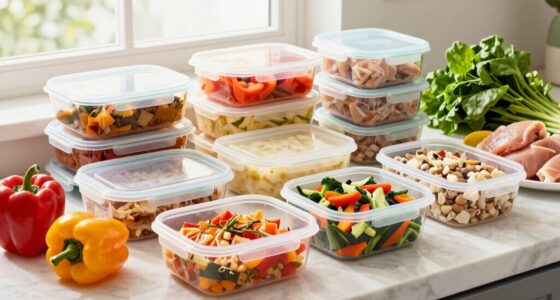
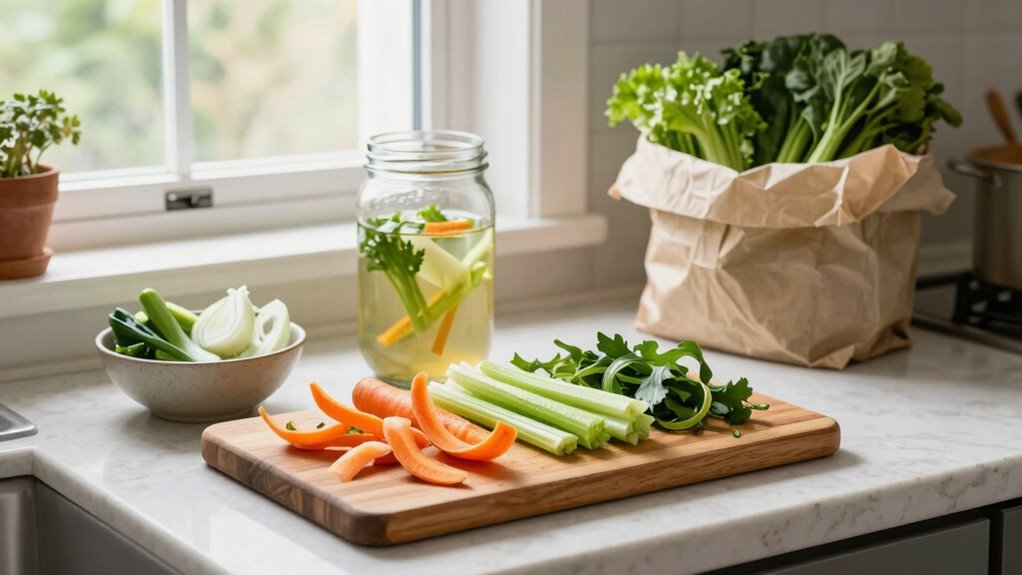
Proper storage is another key to minimizing food waste. Once you’re home with your groceries, store items correctly to prolong their freshness. For example, keep leafy greens in a dry, airtight container or wrapped in a paper towel inside the fridge. Fruits like berries and grapes should be stored in breathable containers to prevent moisture buildup. Store root vegetables and onions in a cool, dark place, not in the fridge, unless they’re already cut. When you store leftovers, use airtight containers and label them with the date. This way, you know exactly what needs to be eaten soon and can plan your meals around those items. Proper storage not only keeps food fresh longer but also helps you keep track of what you have, reducing the likelihood of throwing away spoiled items. Effective storage techniques are essential for extending the shelf life of different food items and avoiding unnecessary waste. Incorporating food preservation methods, such as freezing or dehydrating, can further help in reducing waste by extending the usability of surplus ingredients. Being aware of food spoilage signs can also help you identify when food is no longer safe to consume, preventing waste and potential health risks. Developing a good understanding of food safety and spoilage can empower you to make better decisions about what to keep or discard.
You can also get into the habit of using leftovers creatively. Instead of tossing them out, find ways to incorporate them into new meals. For example, leftover roasted vegetables can be added to soups or omelets, and slightly overripe fruit can be used in smoothies or baked goods. Keeping an eye on expiration dates and regularly checking your fridge and pantry also prevents food from slipping past its prime. If you notice produce wilting or dairy nearing its expiry, plan to use those ingredients soon.
Incorporating these simple strategies—smart meal planning and proper storage—can make a noticeable difference in reducing your food waste. It’s about being intentional with your shopping habits and mindful of how you store and use your food. Over time, you’ll save money, reduce your environmental footprint, and develop a more sustainable approach to your everyday routines. You don’t need to overhaul your entire kitchen habits overnight; small, consistent changes can lead to significant results.
Products Worth Considering

Cuisinart Core Custom FP-110 10-Cup Food Processor, White and Stainless Steel

Cuisinart FP-130 13-Cup Food Processor, White

Vitamix 64 oz Low-Profile Blender Container with SELF-DETECT, BPA-Free
As an affiliate, we earn on qualifying purchases.
Frequently Asked Questions
How Can I Reuse Leftover Food Creatively?
You can reuse leftover food creatively by turning it into new dishes with inventive recipes. For example, transform roasted vegetables into soups or salads, or repurpose cooked meats into tacos or wraps. Leftover transformations like turning bread into croutons or stale chips into crunchy toppings keep food out of the trash and add flavor to your meals. Get playful with spices and ingredients to make each leftover feel brand new and delicious.
What Are the Best Storage Tips to Extend Food Shelf Life?
To extend your food’s shelf life, use the right food storage containers to keep things fresh and prevent spoilage. Proper refrigeration is key; make certain your fridge stays at the right temperature (around 40°F or 4°C). Store leftovers in airtight containers, and label them with dates. Keep raw meats separate from produce, and don’t forget to regularly check for expired items to avoid waste and keep your food safe.
How Do I Compost Kitchen Scraps Effectively?
Imagine your kitchen scraps transforming into rich soil—setting up a compost bin makes this happen. Choose a well-ventilated bin, layer browns and greens, and turn it regularly to aerate. Composting benefits include reducing waste and nourishing plants. Keep it moist, avoid meat or dairy, and you’ll create a thriving environment for organic waste, turning kitchen scraps into garden gold while saving space and helping the planet.
Are There Apps to Track Food Expiration Dates?
Yes, there are apps that help you track food expiration dates, making it easier to reduce waste. These apps often include features for food donation reminders and tips for zero waste shopping. By using them, you can plan meals better, avoid buying duplicates, and donate leftovers before they spoil. Staying organized helps you save money, cut down on waste, and support sustainable practices right from your smartphone.
How Can I Plan Meals to Minimize Waste?
Think of meal planning like planting a garden—you’ll harvest what you nurture. To minimize waste, plan your meals around ingredients you already have, then create a detailed shopping list to avoid impulse buys. Incorporate meal prep to use ingredients efficiently and keep track of expiration dates. This way, you reduce food spoilage, save money, and enjoy fresh, intentional meals every time.
Conclusion
Now that you’ve learned simple ways to cut down on food waste, imagine how much more you could save—and how much better it feels to make a difference. But here’s the twist: the real challenge is just around the corner. Will you stick to these habits, or let old habits creep back in? Stay committed, because the next step could reveal even bigger savings—and a surprising secret that could change everything. Are you ready?