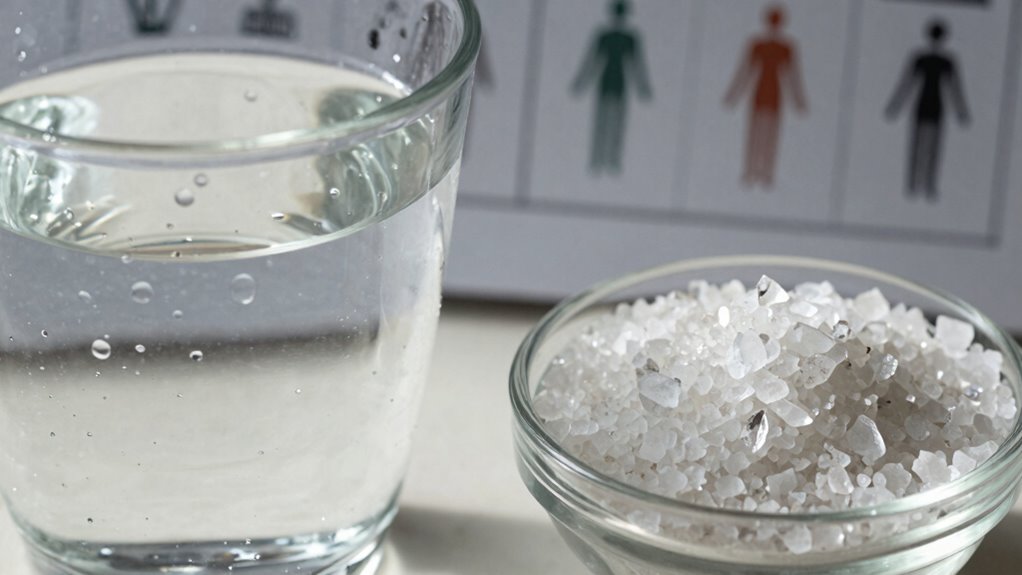

To stay properly hydrated, drink enough water based on your activity level and environment, and include foods rich in electrolytes like bananas and oranges. Keep an eye on signs like dry mouth, headaches, or dark urine to spot dehydration early. Remember, salt and other minerals help your body balance fluids and support muscle and nerve functions. If you keep these tips in mind, you’ll be on your way to better hydration and health.

Get kitchen staples and gadgets delivered free with Prime
- Fast, free delivery on millions of items
- Prime Video, Amazon Music and more included
- Member-only deals all year
Key Takeaways
- Proper hydration involves balancing water intake with electrolyte replenishment, mainly sodium and potassium.
- Thirst and urine color are simple indicators of hydration status; pale urine suggests adequate hydration.
- Consuming electrolyte-rich foods like bananas and oranges helps maintain mineral balance naturally.
- Signs of dehydration include dry mouth, headaches, fatigue, and dark urine; act promptly to rehydrate.
- Hydration needs vary based on activity, environment, and individual health; avoid over- or under-hydrating.
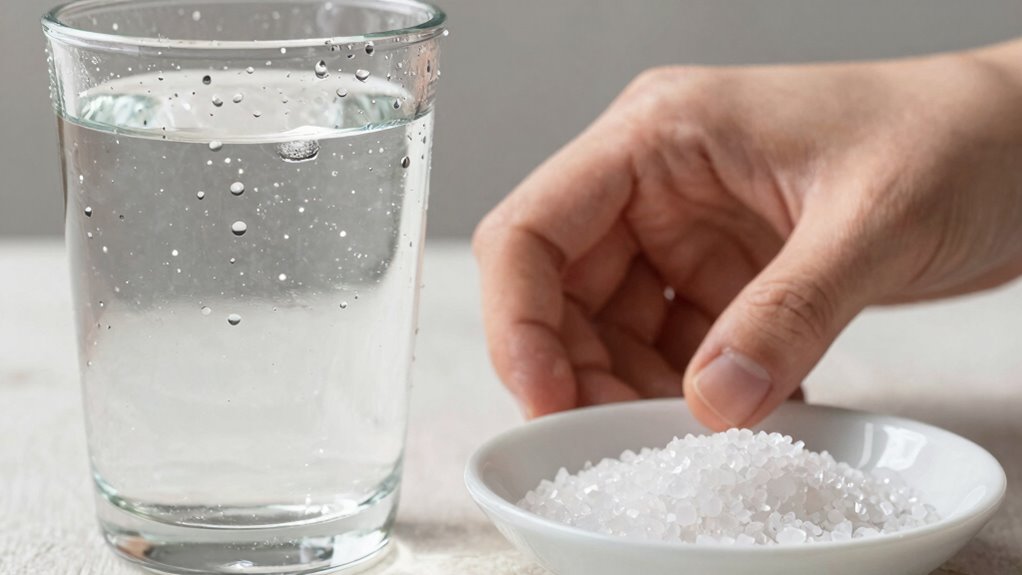
Staying properly hydrated is crucial for your overall health, yet many people overlook how essential water intake truly is. While drinking water is straightforward, maintaining the right electrolyte balance is equally important. Electrolytes, like sodium, potassium, and chloride, help your body regulate nerve function, muscle contractions, and fluid balance. When you sweat, particularly during exercise or hot weather, you lose both water and electrolytes. If you don’t replace them, dehydration can set in, leading to fatigue, muscle cramps, and even dizziness. Many hydration myths circulate, such as the idea that you need to drink large amounts of water constantly or that only athletes need to pay close attention to electrolyte intake. In reality, hydration needs vary based on your activity level, environment, and individual health. Overhydrating can also be harmful, causing a condition called hyponatremia, where sodium levels drop dangerously low. Understanding when and how to hydrate properly helps you avoid these pitfalls.
You should listen to your body’s signals, like thirst and the color of your urine. Pale, straw-colored urine typically indicates good hydration, while dark urine suggests you need more fluids. But don’t rely solely on thirst, especially during intense exercise or in hot weather—by then, you might already be dehydrated. Incorporating electrolyte-rich foods, such as bananas, oranges, or yogurt, can help maintain your electrolyte balance without always needing supplements. When you sweat heavily or engage in prolonged physical activity, consider drinks with added electrolytes, but be cautious of those packed with sugars and artificial ingredients. Water remains your best hydration source for everyday needs, but pairing it with nutrient-dense foods ensures your body stays balanced. Additionally, understanding the role of electrolyte balance in hydration helps optimize your intake and avoid common mistakes. Recognizing that hydration levels can fluctuate based on various factors allows you to better tailor your fluid intake to your specific circumstances. It’s also helpful to be aware of individual hydration needs, which can vary widely from person to person depending on factors like age, weight, and health status. Maintaining a proper balance of these minerals is essential for overall health and optimal bodily function. Paying attention to hydration status signs can further improve your ability to stay properly hydrated throughout the day.
Recognizing signs of dehydration, like dry mouth, headaches, or fatigue, allows you to respond promptly. If these symptoms appear, increase your fluid intake and replenish electrolytes if necessary. Remember, hydration isn’t just about drinking water; it’s a complete process involving proper salt and mineral intake to support your body’s functions. Don’t fall for hydration myths that suggest you need to chug water constantly or avoid salt entirely. Instead, focus on a balanced approach tailored to your lifestyle and environment. Staying mindful of your hydration status helps you perform better, recover faster, and feel your best every day. With a clearer understanding of electrolyte balance and hydration needs, you’re better equipped to maintain health and avoid common pitfalls. Proper hydration supports not only individual well-being but also biodiversity by encouraging sustainable water practices and conserving vital water sources.
Products Worth Considering

Instant Pot Duo Crisp 8-Quart 11-in-1 Air Fryer and Pressure Cooker

Traeger Tailgater 20 Portable Wood Pellet Grill and Smoker, 300 sq. in.

Breville Barista Touch Impress Espresso Machine, Noir (BES881NRE)
As an affiliate, we earn on qualifying purchases.
Frequently Asked Questions
How Does Hydration Affect Mental Clarity and Focus?
Staying well-hydrated boosts your cognitive performance and mental alertness. When you’re properly hydrated, your brain functions more efficiently, helping you concentrate and think clearly. Dehydration leads to tiredness and difficulty focusing, negatively impacting your mental clarity. Drinking enough water and maintaining electrolyte balance support ideal brain function, so you can stay sharp and alert throughout your day. Proper hydration truly enhances your mental performance and overall focus.
Can You Overhydrate and What Are the Risks?
Yes, you can overhydrate, leading to electrolyte imbalance and kidney stress. Drinking excessive water dilutes your blood’s salt levels, causing hyponatremia, which can be dangerous. Your kidneys work harder to filter the excess fluids, risking stress and potential damage. To stay safe, balance your water intake with electrolytes, especially during intense activity or hot weather, and listen to your body’s signals for thirst and fullness.
What Are Natural Sources of Electrolytes Besides Salt?
You can get natural electrolytes from plant-based sources and mineral-rich foods. For example, bananas and sweet potatoes are high in potassium, while spinach and avocados provide magnesium. Coconut water is also a great natural electrolyte drink, containing sodium, potassium, and magnesium. Incorporating these foods into your diet helps maintain electrolyte balance, supporting hydration and muscle function without relying solely on salt or processed supplements.
How Does Hydration Differ for Athletes Versus Non-Athletes?
As an athlete, you need specialized hydration strategies to maintain electrolyte balance during intense activity, preventing dehydration and cramping. You’ll likely focus on replenishing lost electrolytes through drinks containing sodium, potassium, and magnesium. Non-athletes, however, usually don’t require such targeted approaches; regular water and a balanced diet suffice to stay hydrated. Understanding these differences helps you optimize hydration based on activity level and electrolyte needs.
Are There Specific Hydration Tips for Hot Climates?
When facing hot climates, prioritize desert hydration by drinking plenty of water, incorporating electrolyte-rich drinks, and avoiding alcohol or caffeine. Use hydration accessories like water bottles with filters or insulators to keep your fluids cool and accessible. Keep a hydration schedule, listen to your body’s signals for thirst, and take breaks often. These tips help you stay safe, refreshed, and energized while exploring or working in extreme heat.
Conclusion
Staying hydrated isn’t just about drinking water; it’s about understanding your body’s needs. Some say salt is essential for hydration, but too much can be harmful. The truth? Balance is key. Listen to your body’s signs of thirst and fatigue, and don’t overdo it. Hydration isn’t complicated—trust your instincts and stay mindful. By doing so, you’ll keep your body happy, healthy, and ready to tackle whatever comes your way.