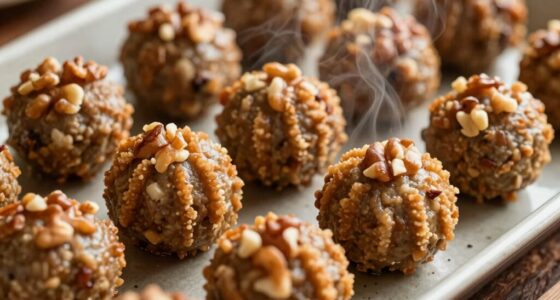
🔍 Read the full analysis: Gnocchi Alla Romana: Semolina Rounds Under A Golden Crust on Mad Tasting

Get kitchen staples and gadgets delivered free with Prime
- Fast, free delivery on millions of items
- Prime Video, Amazon Music and more included
- Member-only deals all year
TL;DR
Mad Tasting has published a guide to gnocchi alla Romana, a Lazio dish of cooked semolina shaped into rounds and baked under a browned cheese topping. The guide emphasizes gradual whisking, thorough cooking and full cooling for rounds that hold their shape, while noting that the dish’s precise origin and one definitive recipe are not established.
Mad Tasting has published a guide to making gnocchi alla Romana, the Roman and Lazio dish of milk-cooked semolina cut into rounds and baked until the tops turn golden. The method differs from potato gnocchi: the semolina is cooked on the stovetop first, cooled into a firm sheet, then cut and baked, producing a tender center beneath a browned cheese topping.
The guide describes a mixture of durum wheat semolina and milk, enriched with butter, egg yolks and grated cheese. The semolina is whisked gradually into hot milk and stirred as it thickens. Once the mixture is very thick, it is spread out and left to cool completely before the rounds are cut. The oven then browns the topping and warms the already-cooked semolina rather than cooking raw dumplings through.
For a smoother, more uniform result, the guide recommends fine semolina, whose smaller grains hydrate readily. Coarser semolina can leave a more pronounced grain texture and may need longer cooking and closer attention. The source also advises care when adding salt: Parmigiano-Reggiano gives a rounder, nuttier flavor, while Pecorino Romano is sharper and saltier. Some cooks use both, and a little nutmeg is a common seasoning.
The rounds are commonly served as a primo, or first course, in the source’s account of Roman dining, but the guide also suggests pairing them with vegetables or meat. It describes the dish as substantial because semolina, milk, butter and cheese make a filling combination. It does not supply a complete ingredient list, quantities, cooking temperatures or a timed recipe in the material provided here.
Rome · Lazio · A guide to the dish
Gnocchi Alla Romana: Semolina Rounds Under A Golden Crust
A Roman classic made in two stages: cook semolina in milk, cool it into a firm sheet, then cut rounds and bake until the cheese topping turns golden.
Mad Tasting guide · Publication date not provided
01 / What makes it different
Gnocchi, without the potato
The name can set the wrong expectation. Here, cooked semolina is spread, cooled, and cut into rounds before it ever reaches the oven.
Milk-cooked grain
Durum wheat semolina thickens in hot milk, then is enriched with butter, egg yolks, and grated cheese.
Set before cutting
The very thick mixture is spread out and cooled completely. Once firm, it can be cut into cleaner rounds that hold their shape.
Browned in the oven
Baking warms the already-cooked semolina and browns the topping, creating a savory crust over a tender middle.
Add semolina gradually to hot milk while whisking to help prevent dry pockets and lumps.
Stir steadily as the mixture cooks and becomes very thick; enrich with butter, yolks, and cheese.
Spread the mixture and let it cool fully into a firm sheet, then cut it into disks.
Arrange the rounds and bake until the tops are browned and the centers are warmed through.
02 / Texture choices
Choose your grain
The guide favors fine semolina for a smoother, more uniform disk. Coarser grains make texture more noticeable and call for closer attention while cooking.
Relative texture cues from the guide — not measured cooking results. No universal time or liquid adjustment is provided.
03 / Cheese + seasoning
Build a savory finish
Cheese choice changes both flavor and salt level. The excerpt describes options, but does not establish one definitive formula.
| Choice | Flavor profile | Kitchen note | Guide cue |
|---|---|---|---|
| Parmigiano-Reggiano | Rounder, nuttier | Useful on its own or blended with another cheese. | ✓ Milder edge |
| Pecorino Romano | Sharper, saltier | Account for its salt when seasoning the mixture. | ~ Season carefully |
| Both cheeses | Balanced blend | Some cooks combine them; proportions are not specified. | ✓ Household variation |
A little nutmeg
Nutmeg is a common seasoning mentioned by the guide. Adjust salt with the cheese in mind, especially when using Pecorino Romano.
Milk or a lighter blend
Water or a milk-and-water blend can replace some or all of the milk, though the guide says the result will be less creamy. It gives no tested ratios.
04 / Serving + dietary notes
A substantial first course
In the guide’s account of Roman dining, the rounds are commonly served as a primo. They can also accompany vegetables or meat as part of a larger meal.
Traditional semolina contains wheat, so this dish is not gluten-free.
Often meat-free, but check cheese ingredients and avoid meat-based stock or toppings for strict vegetarian diets.
Semolina, milk, butter, and cheese make a filling combination.
Cooling takes time, so the slab can be prepared ahead of shaping and baking.
05 / History + what the source establishes
Some things remain open
The guide places the dish in Rome and Lazio while drawing a clear line between regional context and claims it cannot verify.
Origin and date
The precise origin and date are hard to establish. The supplied material names no single inventor and no authoritative historical recipe.
Recipe precision
The excerpt has no complete ingredient list, quantities, oven temperature, pan dimensions, yield, or timed schedule.
Regional tradition
It describes the dish as associated with Rome and the surrounding Lazio region, often served as a first course.
What to consult
For exact quantities and temperatures, use the full recipe rather than inferring missing details from this summary.
06 / Quick answers
At the table
Five practical questions answered from the Mad Tasting guide.
No
They are made from semolina cooked in milk, set into a sheet, cut, and baked.
For clean rounds
Cooling firms the mixture so disks can be cut neatly and hold their shape.
Choose by taste
Parmigiano-Reggiano is nuttier; Pecorino Romano is sharper and saltier. Either, or a blend, is described.
A Different Kind of Roman Gnocchi
The guide addresses a common point of confusion: despite the name, gnocchi alla Romana are not the small potato dumplings many diners associate with gnocchi. They are made from cooked semolina spread into a slab and cut into disks. Understanding that distinction helps set expectations for both preparation and texture: the rounds are creamy and substantial, rather than springy or boiled.
The technique also makes the dish useful for cooks planning a meal ahead. The semolina has to cool before it can be cut cleanly, so shaping is not an immediate step after cooking. A pan can then be arranged for baking and served as a first course or as part of a larger meal. The source presents these as serving options, not as claims that the dish is newly popular or that one approach is definitive.
For readers choosing ingredients, the guide flags that traditional semolina contains wheat and is not gluten-free. The dish is often meat-free, but strict vegetarians should check the cheese used; the source cautions against meat-based stock or toppings for those avoiding meat. These distinctions matter when cooking for people with dietary restrictions.
fine durum wheat semolina for gnocchi alla Romana
As an affiliate, we earn on qualifying purchases.
As an affiliate, we earn on qualifying purchases.
From Cooked Grain to Baked Rounds
The preparation has two distinct stages. First, stovetop cooking hydrates and thickens the semolina in milk. Butter, egg yolks and cheese enrich the cooked mixture. After it is spread and cooled, it becomes firm enough to cut into disks. The second stage is baking: the rounds are arranged so their tops brown, giving the dish a contrast between a savory crust and a soft middle.
The source compares the process to cooking polenta and then turning it into a gratin. That comparison describes the method, but the dish remains distinct: the semolina is set into a sheet and cut into rounds before baking. It also differs from potato gnocchi, which are generally shaped as smaller pieces and boiled, according to the guide.
Mad Tasting places the dish in Rome and the surrounding Lazio region, where it is commonly served as a first course. It says semolina has a long history in Italian cooking and that baked semolina preparations appear in regional traditions, but cautions that the exact origin and date of gnocchi alla Romana are hard to establish. The source does not support naming a single inventor or one definitive historical recipe.
“The stovetop builds the structure, and the oven adds the crisp, savory finish.”
— Mad Tasting guide
Origins and Recipe Variations
The supplied material does not establish when the dish originated, who created it or which version should be treated as the definitive recipe. It describes variation in cheese choice and semolina grind, but gives no full ingredient quantities or complete timed instructions in the excerpt. Exact cooking time, oven temperature, pan dimensions and yield therefore cannot be confirmed from this material.
The source mentions that fine and coarse semolina can produce different textures, but does not specify a universal adjustment for cooking time or liquid. It also notes that water or a milk-and-water blend can replace some or all of the milk, with a less creamy result. The best choice depends on the intended texture and the product used; the excerpt does not offer tested ratios.
The Cooling and Baking Steps
The method’s next practical milestone is cooling the cooked semolina completely before cutting it. The guide says the mixture should be spread out after it becomes very thick; once set, it can be cut into rounds, arranged for baking and topped to develop a browned surface. Gradual whisking and steady stirring during cooking are presented as the key steps for avoiding dry pockets and lumps.
No publication date, complete recipe schedule or follow-up announcement is included in the supplied material. Readers seeking exact quantities and temperatures should consult the full recipe rather than infer them from this excerpt. The source leaves the dish’s historical origin open and presents cheese and grind choices as household variations.
Key Questions
Are gnocchi alla Romana made with potatoes?
No. The guide describes them as semolina rounds made from durum wheat semolina cooked in milk. They are cut from a cooled sheet and baked, unlike the small potato dumplings commonly associated with gnocchi.
Why does the semolina mixture need to cool before shaping?
Cooling lets the thick mixture set into a firm sheet that can be cut into rounds. The guide says to let it cool fully for neater disks that hold their shape before baking.
Which cheese works best?
The source describes Parmigiano-Reggiano as rounder and nuttier, and Pecorino Romano as sharper and saltier. Either can be used, or they can be blended; account for Pecorino’s salt when seasoning.
Are gnocchi alla Romana gluten-free or vegetarian?
Traditional semolina contains wheat, so the dish is not gluten-free. It is often meat-free, but people following a strict vegetarian diet should check the cheese ingredients and avoid meat-based stock or toppings.
Is the dish’s exact origin known?
No definitive origin or date is established in the supplied guide. It associates the dish with Rome and Lazio and cautions against claims of one inventor or one authoritative recipe.
Source: Mad Tasting
Fall Picks
fall essentials
As an affiliate, we earn on qualifying purchases.