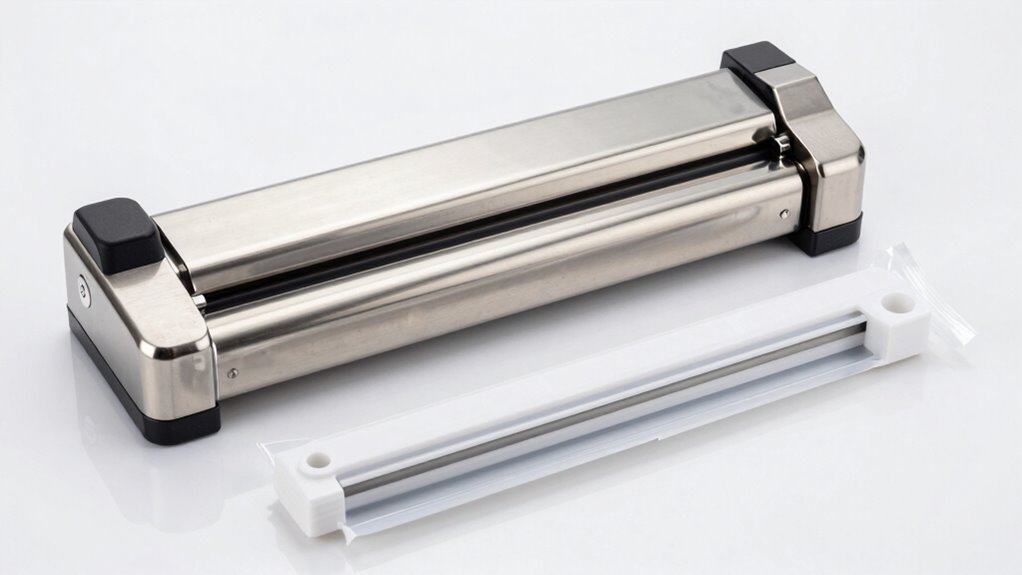

The price gap between chamber and edge sealers makes sense because chamber sealers offer superior sealing precision, consistency, and material compatibility, which justifies their higher cost. They are ideal for high-volume, demanding packaging needs and guarantee stronger, more reliable seals. Edge sealers, on the other hand, are budget-friendly, easier to maintain, and suited for small-scale or less complex tasks. To understand which option best fits your needs, explore the key differences further.
Key Takeaways
- Chamber sealers offer superior sealing precision and consistency, justifying their higher cost for quality-sensitive applications.
- They support a wider range of materials and complex packaging needs, making them more versatile and reliable.
- Higher initial investment is offset by better durability, fewer repairs, and enhanced product protection over time.
- Edge sealers are more affordable and suitable for small-scale, low-volume operations with simpler packaging requirements.
- Energy consumption and environmental impact are higher in chamber sealers, contributing to their cost differences compared to eco-friendly edge sealers.

VEVOR Chamber Vacuum Sealer 320W Sealing Power 12.6 Inch Sealing Length
- High Vacuum Power: Nearly removes all air for freshness
- Dual Lock Seal: Strong, seamless 10mm seal strip
- Large Chamber Capacity: Accommodates big and small items
As an affiliate, we earn on qualifying purchases.
As an affiliate, we earn on qualifying purchases.
Chamber vs. Edge Sealers: What’s the Difference?
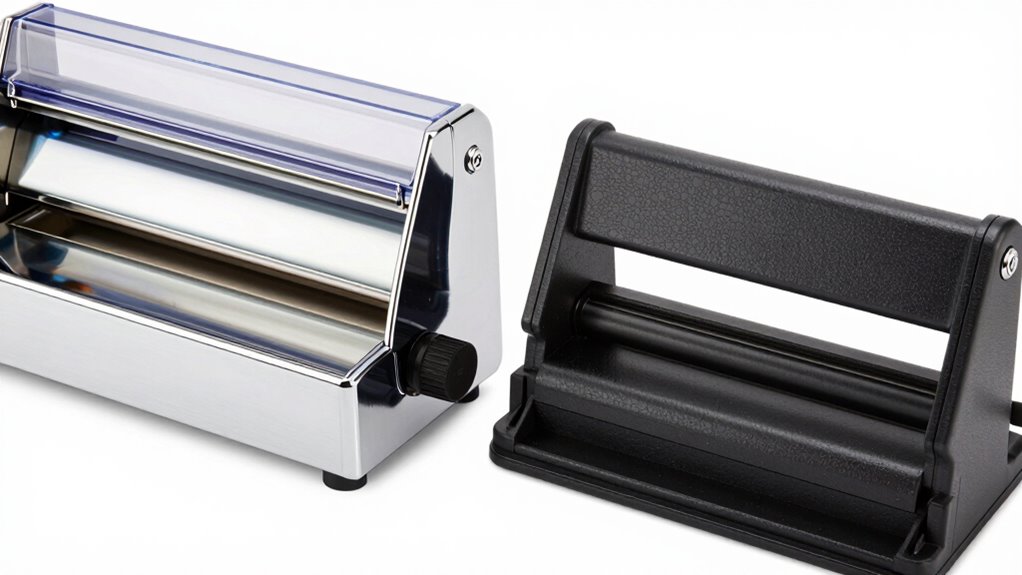
While both chamber and edge sealers serve the same basic purpose—preserving freshness by sealing food—they differ markedly in design and operation. Chamber sealers use a vacuum chamber where the entire product and bag are enclosed, allowing for uniform sealing and better control over sealing parameters. Their sealing techniques ensure consistent, airtight seals, making them ideal for high-volume or delicate packaging. Additionally, long-term reliability depends heavily on the type of sealer and how well it maintains consistent performance over time. The choice between them can also influence cost-effectiveness, especially considering maintenance and durability over extended use.
Which Sealer Type Offers Better Packaging Quality?

When it comes to packaging quality, the choice between chamber and edge sealers considerably impacts the durability and integrity of your sealed products. Chamber sealers generally provide better sealing precision, ensuring a more consistent and airtight seal, especially with delicate or complex materials. They excel in handling various material types due to their superior material compatibility, reducing the risk of leaks or weak seals. Incorporating testing accuracy into your sealing process can help verify the effectiveness of the seal and prevent product spoilage. A thorough understanding of sealing technology can further optimize your packaging process and ensure consistent results. Additionally, understanding seal inspection techniques can help identify potential sealing issues before they compromise product quality. Edge sealers, while faster and more adaptable for high-volume tasks, may sometimes compromise sealing quality, especially with thicker or incompatible materials. If your priority is achieving top-tier packaging integrity and ensuring your products remain fresh and secure, chamber sealers are the better option. They deliver enhanced sealing precision and broader material compatibility, leading to higher packaging quality overall. Additionally, commercial cleaning equipment such as sensor flush valves and floor scrubbers can help maintain optimal sealing conditions by ensuring a clean and prepared sealing environment.
Why Are Chamber Sealers Usually More Expensive?
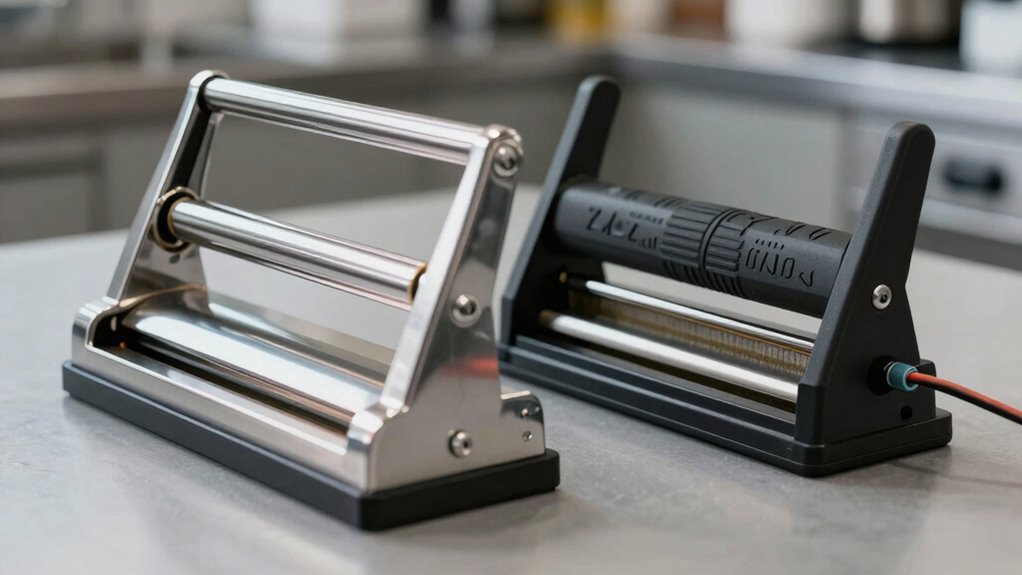
Chamber sealers tend to be more expensive because they incorporate more advanced components and require a more complex design. This complexity allows for better material compatibility, enabling you to package a wider variety of products and materials effectively. The sealed environment inside the chamber guarantees consistent, high-quality seals, but this also means the machinery must manage precise temperature and pressure controls, which increase manufacturing costs. Additionally, chamber sealers generally consume more energy due to their larger size and more intensive operation cycles. The design complexity of chamber sealers is a key factor that elevates their cost. Furthermore, their sophisticated technology often demands advanced manufacturing techniques, which contribute to higher production expenses. The technological sophistication involved in these machines ensures more reliable performance over time, justifying the higher initial investment. While the initial investment is higher, these features deliver superior sealing quality and versatility, making them ideal for businesses that need reliable, consistent packaging. All these factors contribute to the higher price point compared to simpler edge sealers.
Are Edge Sealers a Cost-Effective Choice for Small Operations?
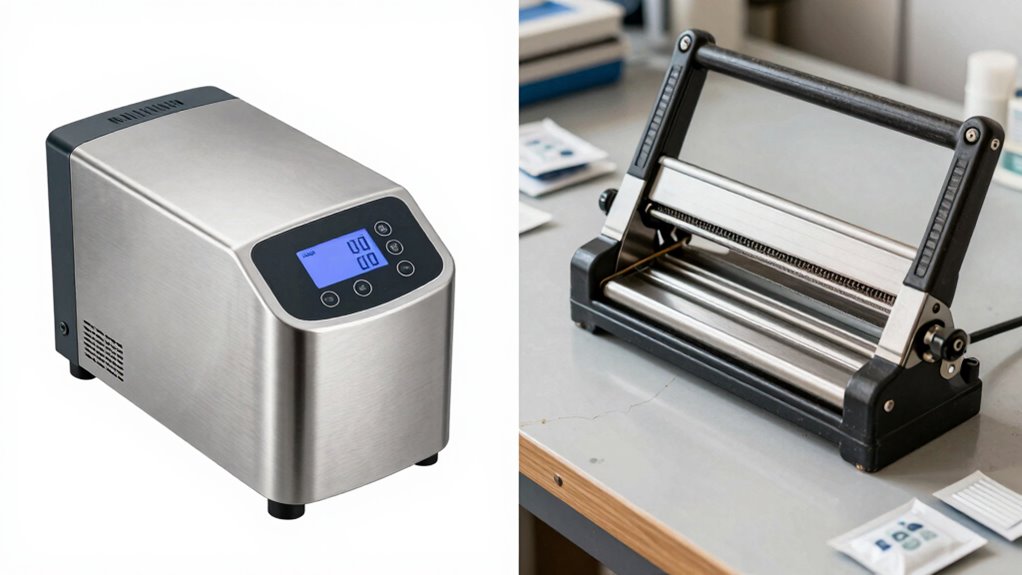
If you’re running a small operation, edge sealers might be a smart choice because they require a lower initial investment. They also tend to have reduced maintenance costs, saving you money over time. Plus, their size and capacity are often suitable for smaller-scale packaging needs. Additionally, their cost efficiency makes them an attractive option for budget-conscious operators. Incorporating Italian gelato culture into your packaging approach can enhance brand appeal and customer experience. For smaller businesses, the Horsepower of Electric Dirt Bikes can serve as an analogy for the power and efficiency needed in compact equipment like edge sealers. Understanding the essential DIY tools involved can help ensure safe and effective operation of your sealing equipment, especially when considering energy-saving techniques inspired by smart thermostat setup.
Lower Initial Investment
Edge sealers typically require a lower initial investment compared to chamber sealers, making them an attractive option for small operations. Their simpler design and sealing technology reduce upfront costs, allowing you to start packaging without a hefty financial commitment. While chamber sealers often promise higher seal integrity, edge sealers still deliver reliable results for many applications. The table below highlights key cost differences:
| Feature | Edge Sealers | Chamber Sealers |
|---|---|---|
| Initial Investment | Lower | Higher |
| Sealing Technology | Simpler, cost-effective | Advanced, potentially more costly |
| Maintenance Costs | Generally lower | Can be higher |
| Suitability | Small-scale, basic sealing needs | Large-scale, high-seal integrity |
Choosing an edge sealer offers a budget-friendly starting point, especially if your sealing needs are moderate. Additionally, understanding natural pool advantages can help in selecting eco-friendly options for your backyard transformation.
Reduced Maintenance Costs
Are maintenance costs a key factor when choosing a sealing machine for your small operation? Edge sealers generally require less upkeep, which helps reduce ongoing expenses. Their simpler design means fewer parts prone to wear and tear, leading to lower repair and replacement costs. Additionally, edge sealers often have better material compatibility, allowing you to work with a wider variety of packaging materials without risking damage or frequent adjustments. This flexibility translates into less downtime and maintenance. From an environmental impact perspective, easier maintenance means fewer waste parts and less energy use for repairs. Proper safety precautions during operation can also minimize potential hazards and prolong equipment lifespan. Overall, if you’re looking to keep costs down while maintaining efficiency, edge sealers offer a compelling, low-maintenance option for small-scale operations.
Suitable for Small Scale
For small operations, choosing the right sealing equipment can considerably impact your budget and workflow. Edge sealers are often a suitable option because they excel in material compatibility with various flexible films, making them versatile for different products. Their sealing technology allows for quick setup and operation, which is ideal when production volume is low. Unlike chamber sealers, edge sealers typically require less space and are easier to maintain, saving you time and costs. However, they may not be ideal for heavy-duty or high-volume packing. If your operation involves frequent changes in packaging materials or small batch runs, edge sealers offer a cost-effective and efficient solution. Overall, their flexibility and affordability make them a practical choice for small-scale packaging needs.
How Do Production Volume and Speed Affect Sealer Choice?
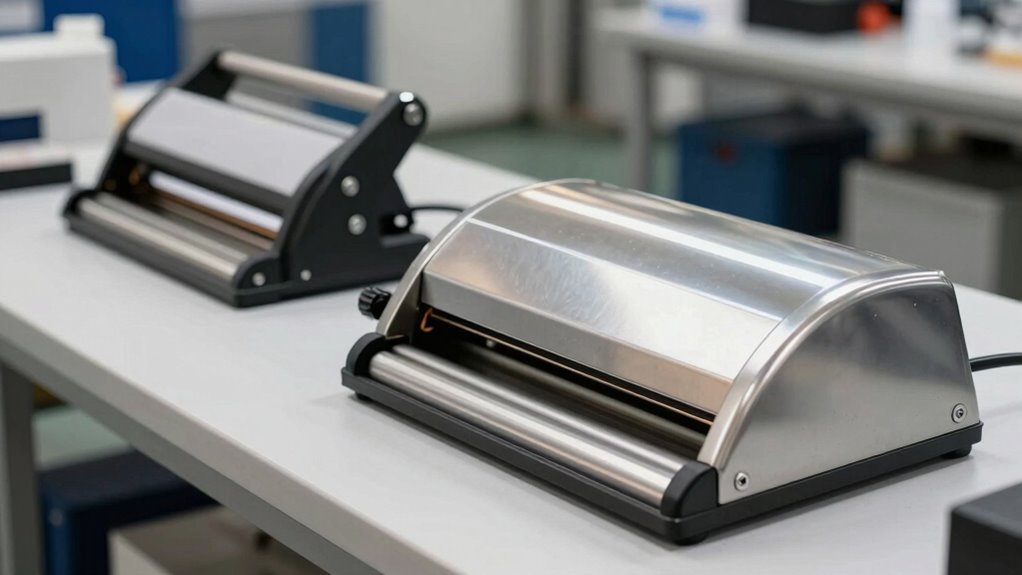
When it comes to choosing a sealer, the production volume and speed you need can considerably influence your decision. Higher volumes demand faster sealing processes, making continuous or semi-automatic systems more suitable. Conversely, lower volumes may benefit from manual or semi-automatic sealers that prioritize material compatibility and user safety. The table below highlights how different factors intersect:
| Production Volume | Speed Requirement | Recommended Sealer Type |
|---|---|---|
| Low | Slow | Manual, semi-automatic |
| Medium | Moderate | Semi-automatic |
| High | Fast | Fully automatic |
| Very High | Very fast | High-speed automatic |
Understanding these nuances helps guarantee your choice balances efficiency, material safety, and operational needs. Incorporating connected equipment can further optimize sealing processes by providing real-time data and automation features. Additionally, considering sealer type compatibility with your production requirements ensures smoother operations and better long-term results. Recognizing the importance of production speed can help streamline your workflow and reduce bottlenecks for larger-scale operations. Being aware of production volume can also assist in planning your equipment investments effectively.
What Maintenance and Operational Factors Should You Consider?
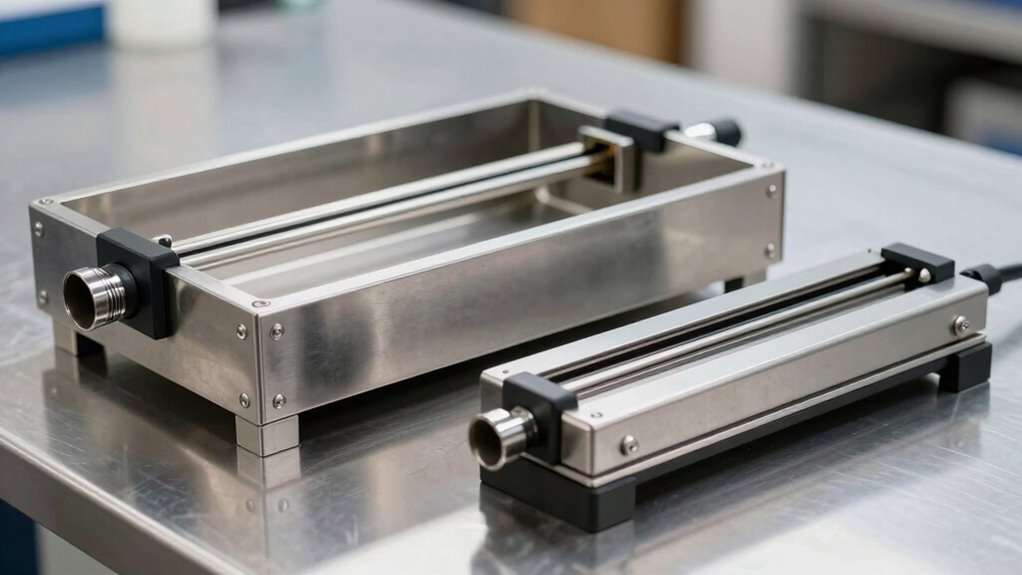
Maintaining a sealer isn’t just about keeping it clean; it also involves understanding the operational factors that keep it running smoothly and efficiently. Regular cleaning schedules are essential to prevent buildup that can affect seal quality and machine performance. You should also consider warranty coverage, as it can influence maintenance costs and responsibilities. A good warranty offers peace of mind and reduces unexpected expenses, especially if repairs are needed. Additionally, ensure staff are trained on proper operation and routine checks to avoid downtime. Monitoring performance metrics helps identify issues early, minimizing repairs and maximizing uptime. Proper equipment filtration and suction are crucial for consistent results and longevity. Understanding the importance of equipment maintenance can further extend your sealer’s lifespan and ensure optimal performance. Implementing preventive maintenance routines can also help detect potential problems before they escalate. Moreover, staying informed about technological advancements in sealing equipment can improve efficiency and reduce long-term costs. Regularly reviewing industry standards can help you stay ahead of potential issues and adopt best practices. Ultimately, understanding these operational factors helps you maintain consistent sealing quality and prolongs your equipment’s lifespan, making your investment more cost-effective.
Which Sealer Is Right for Your Budget and Packaging Needs?
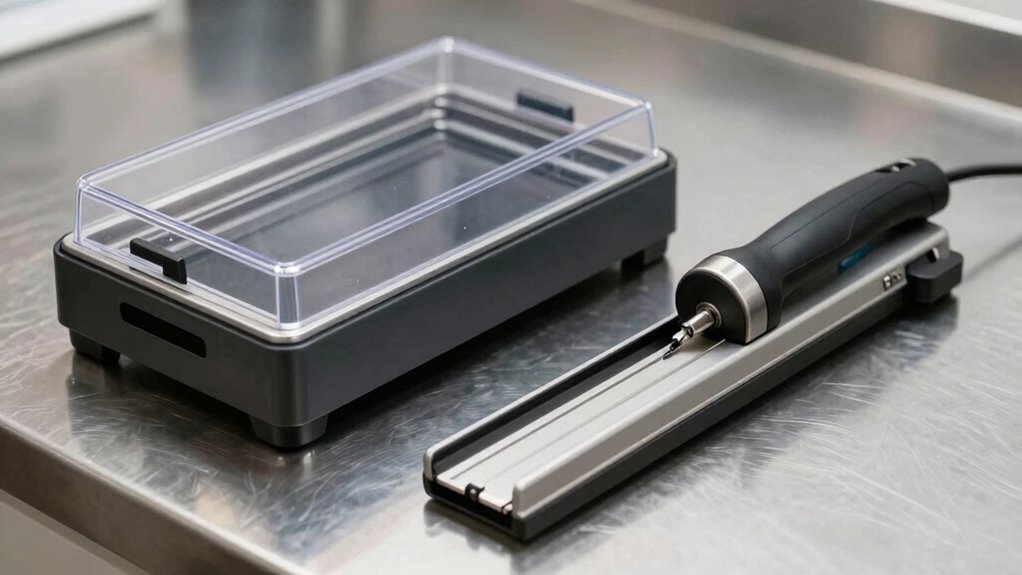
When choosing between chamber and edge sealers, you need to balance cost efficiency with your packaging performance needs. Consider how much you want to spend upfront versus long-term savings, and think about which sealer best suits your product’s requirements. Making the right choice guarantees you get the right performance without overspending.
Cost Efficiency Considerations
Choosing the right sealer ultimately depends on your budget and packaging demands, as each option offers different levels of cost efficiency. When evaluating cost, consider material compatibility—some sealers work better with specific packaging materials, reducing waste and rework costs. Edge sealers often have lower upfront prices and are simpler to operate, making them a budget-friendly choice for smaller operations. Chamber sealers, while more expensive initially, can be more cost-efficient long-term if they handle higher volumes or diverse materials effectively. Additionally, user safety features can impact costs—sealers with advanced safety mechanisms may reduce workplace accidents and liability. Balancing these factors helps you select a sealer that maximizes efficiency without overspending, ensuring your investment aligns with your operational needs and safety standards.
Packaging Performance Needs
Selecting the right sealer depends heavily on your packaging performance needs, which vary based on product type, volume, and durability requirements. If your products demand extra protection, consider innovative materials that enhance sealing strength and barrier properties. For eco-conscious choices, environmental impact becomes a priority, influencing your choice between chamber and edge sealers.
| Feature | Chamber Sealers | Edge Sealers |
|---|---|---|
| Suitable for high-volume | Yes | No |
| Material compatibility | Wide range of innovative materials | Limited but efficient |
| Environmental impact | Higher energy use, customizable | Lower energy, compact |
| Durability of seal | Strong, consistent | Adequate for less demanding products |
| Cost | Higher initial investment | Lower initial cost |
Choose based on your needs for durability, volume, and sustainability.
Frequently Asked Questions
How Long Do Chamber and Edge Sealers Typically Last?
Chamber and edge sealers typically last between 5 to 10 years, depending on sealer maintenance and usage. Regular maintenance guarantees peak equipment durability, preventing issues that can shorten their lifespan. You should routinely clean and inspect your sealer, replacing worn parts promptly. Proper care helps extend the life of your equipment, ensuring consistent sealing quality and saving you money over time.
Can These Sealers Handle Different Packaging Materials Effectively?
Don’t put all your eggs in one basket; when it comes to packaging, understanding material compatibility is key. Both chamber and edge sealers handle a variety of materials effectively, but their sealing precision varies. Chamber sealers excel with thicker or more rigid materials, ensuring a tight seal, while edge sealers are better for lightweight or flexible packages. Choose based on your material types for best results.
Are There Environmental Impacts Associated With Each Sealer Type?
You should consider environmental impacts, as chamber and edge sealers each face unique recycling challenges due to material compatibility. Chamber sealers often use different materials that may be harder to recycle, while edge sealers tend to be more compatible with common recycling streams. Your choice impacts waste management, so weigh each sealer’s material compatibility and how it aligns with sustainable practices to minimize environmental harm.
What Training Is Required to Operate Chamber Versus Edge Sealers?
You need specific training requirements to operate chamber and edge sealers effectively. Chamber sealers demand thorough training in operational skills, including proper loading, sealing procedures, and safety protocols. Edge sealers require focused training on precise alignment, temperature controls, and handling of materials. Both types emphasize hands-on experience, but chamber sealers often involve more extensive training due to their complexity, ensuring you can operate them safely and efficiently.
Do Repair Costs Differ Significantly Between the Two Sealer Types?
Ever wondered if repair costs differ considerably between chamber and edge sealers? Generally, chamber sealers tend to have higher repair costs due to their complex design, but they offer better cost efficiency over time through reduced maintenance needs. Edge sealers, with simpler mechanics, usually cost less to repair initially, but may require more frequent maintenance. Your choice depends on balancing upfront expenses with long-term maintenance differences.
Conclusion
Choosing between chamber and edge sealers depends on your packaging needs and budget. Did you know that chamber sealers are often 30-50% more expensive but provide superior sealing quality? If you process high volumes, that investment pays off with faster, more consistent results. For small operations, edge sealers are more cost-effective, but understanding your production speed and maintenance needs will help you make the best choice. Ultimately, aligning your budget with your packaging goals guarantees efficient, reliable results.