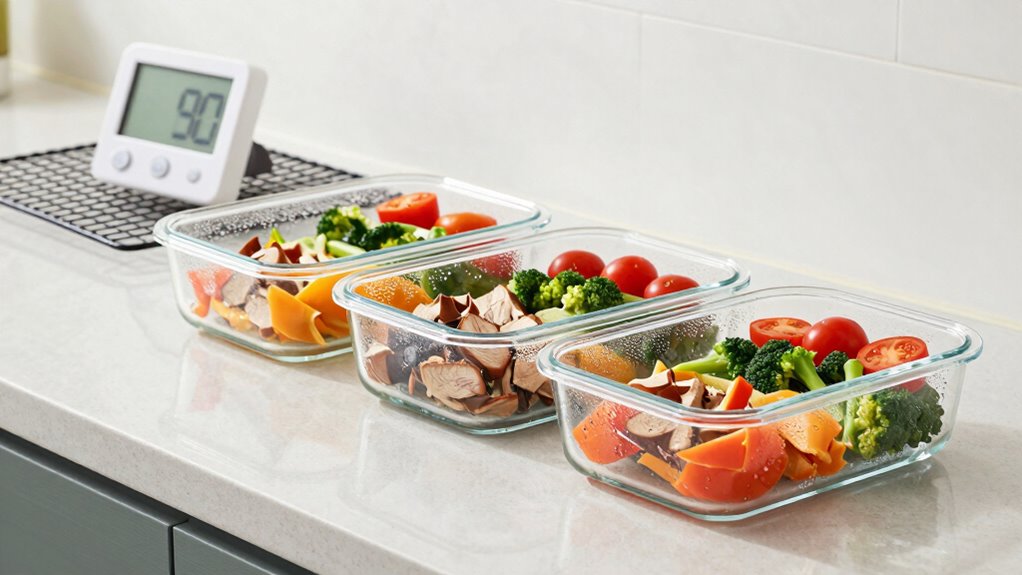
To keep your meal preps safe, always cool hot foods within two hours and divide large batches into shallow containers for quick cooling. Avoid leaving leftovers in the danger zone (40°F–140°F) for too long, as bacteria grow rapidly. Use airtight, labeled containers and store them below 40°F. Proper reheating is also vital—heat leftovers to at least 165°F. Keep these essential rules in mind, and you’ll prevent spoilage and illness every time you meal prep.
Key Takeaways
- Cool leftovers within 2 hours of cooking by dividing into shallow containers to prevent bacteria growth.
- Use ice baths or fans to expedite cooling and keep food out of the “danger zone” (40°F–140°F).
- Store food in airtight, labeled containers at or below 40°F to maintain safe storage conditions.
- Reheat leftovers to at least 165°F, stirring or rotating for even heat distribution and bacteria elimination.
- Avoid stacking containers directly to promote airflow and ensure rapid, even cooling of meal preps.
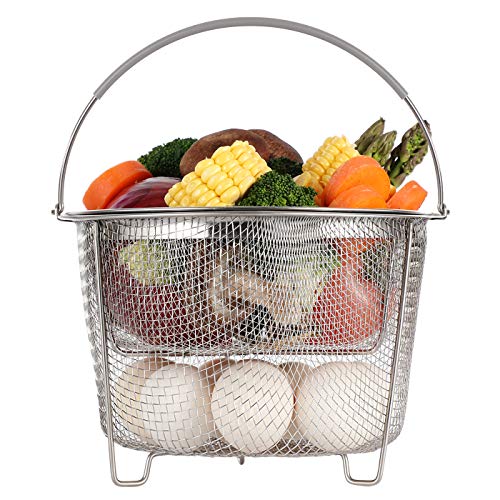
AOZITA Steamer Basket for Instant Pot Accessories 6 qt or 8 quart - 2 Tier Stackable 18/8 Stainless Steel Mesh - Silicone Handle - Vegetable Steamer Insert, Egg Basket, Pasta Strainer,Silver
2-TIER STACKABLE BASKET – Make the best out of your instant pot with our steel mesh steamer pot...
As an affiliate, we earn on qualifying purchases.
Why Proper Cooling Is Essential for Food Safety in Meal Prep

Proper cooling is essential for maintaining food safety in meal prep because it prevents harmful bacteria from growing to dangerous levels. When food isn’t cooled promptly, bacteria can multiply rapidly, increasing the risk of foodborne illnesses. Slow cooling allows bacterial growth, which accelerates food spoilage and makes leftovers unsafe to eat. Food that remains in the “danger zone” (between 40°F and 140°F) for too long becomes a breeding ground for pathogens. By cooling food quickly, you limit bacterial growth and slow down food spoilage, ensuring your meals stay safe and fresh for longer. Cooling methods are critical to effectively reduce temperature promptly. Implementing proper food cooling techniques can significantly reduce the risk of contamination and spoilage. Additionally, understanding food safety principles helps reinforce the importance of proper cooling practices to prevent outbreaks. Proper temperature control is also essential, as it helps maintain the safety and quality of your food during storage. Effective cooling is a critical step to prevent foodborne illnesses and maintain the quality of your meal prep, especially considering how improper cooling can lead to bacterial proliferation.

Vesici 6 Pack 4th of July Serving Trays 13x10 Inch American Flag Melamine Platter 250th Anniversary Patriotic Party Supplies Rectangular Food Platters for American Memorial Day Outdoor Picnic
Shatterproof Material: Crafted from melamine serving platter material, these shatterproof trays resist breaking. They function exceptionally well as...
As an affiliate, we earn on qualifying purchases.
How to Cool Hot Meal Preps Quickly and Safely

To cool hot meal preps quickly and safely, you need to get the food into the temperature danger zone as fast as possible without risking contamination. Start by dividing large portions into smaller, shallow containers to promote faster cooling. Use temperature control techniques like placing the containers in an ice bath or using a fan to expedite heat dissipation. Proper food storage is essential; avoid stacking containers directly on top of each other to allow airflow. Confirm your refrigerator is at the correct temperature, ideally below 40°F (4°C), to maintain safe storage conditions. Prompt cooling minimizes bacterial growth, so act quickly. Always monitor the process, and don’t leave hot food out for more than two hours. This approach helps keep your meal preps safe and ready for storage, especially when understanding food safety guidelines to prevent foodborne illnesses. Additionally, understanding proper cooling techniques can make this process even more effective. Using the right food storage containers can also enhance airflow and cooling efficiency. Regularly checking and maintaining your refrigerator temperature ensures ongoing safety during storage, and employing effective cooling methods can further reduce the risk of bacterial proliferation.

Sunmuliiiy 2-Pack 4th of July Patriotic Wood Serving Trays,14.2" x 9.84"Red, White & Blue Decor,Stars & Stripes Platters for Independence Day 250th Anniversary Dessert Snack Supplies
Ideal Tray Sizes: American flag tray measuring about 14.2"x 9.84"x 0.98" and 250th Anniversary five-pointed star tray measuring...
As an affiliate, we earn on qualifying purchases.
How Long Can Meal Preps Stay in the Danger Zone?
Hot meal preps should never stay in the temperature danger zone—between 40°F (4°C) and 140°F (60°C)—for more than two hours. Bacteria that cause food poisoning thrive in this range, increasing your risk of illness if you delay cooling or reheating. Proper temperature control is essential; the longer food remains in the danger zone, the higher the chance of bacteria multiplying to dangerous levels. If your meal prep sits out too long, discard it to avoid health hazards. To prevent food poisoning, always refrigerate leftovers promptly and keep hot foods hot. Remember, two hours is the maximum time your meal preps should stay in this unsafe temperature range. Staying vigilant with temperature control helps ensure your food remains safe to eat. Temperature monitoring is a simple but vital step in maintaining food safety during meal prep, especially with the use of modern smart appliances that can help track and control temperatures precisely. Regularly checking temperatures helps prevent cross-contamination and keeps your kitchen safer. Implementing reliable temperature tracking methods can further reduce the risk of bacterial growth.
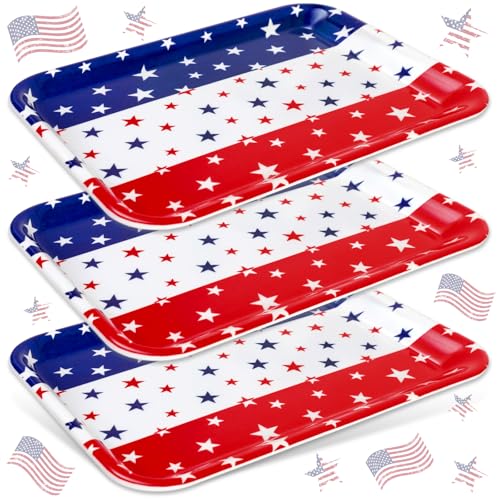
JarThenaAMCS 3PCS Patriotic Serving Trays Reusable Serving Dishes Red Blue White 4th of July Star Melamine Platter for Outdoor Party Independence Day Serving Food Snacks Fruits Dessert
PATRIOTIC DESIGN: You will receive a set of 3 serving trays, which are in rectangle shape, featuring patriotic...
As an affiliate, we earn on qualifying purchases.
Using Shallow Containers for Faster Cooling

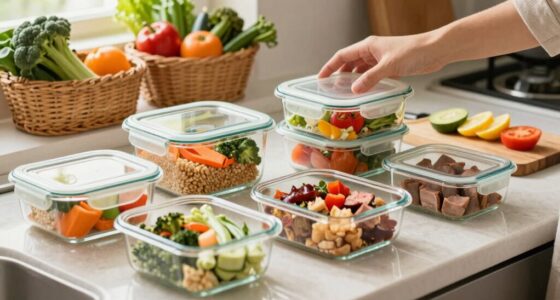
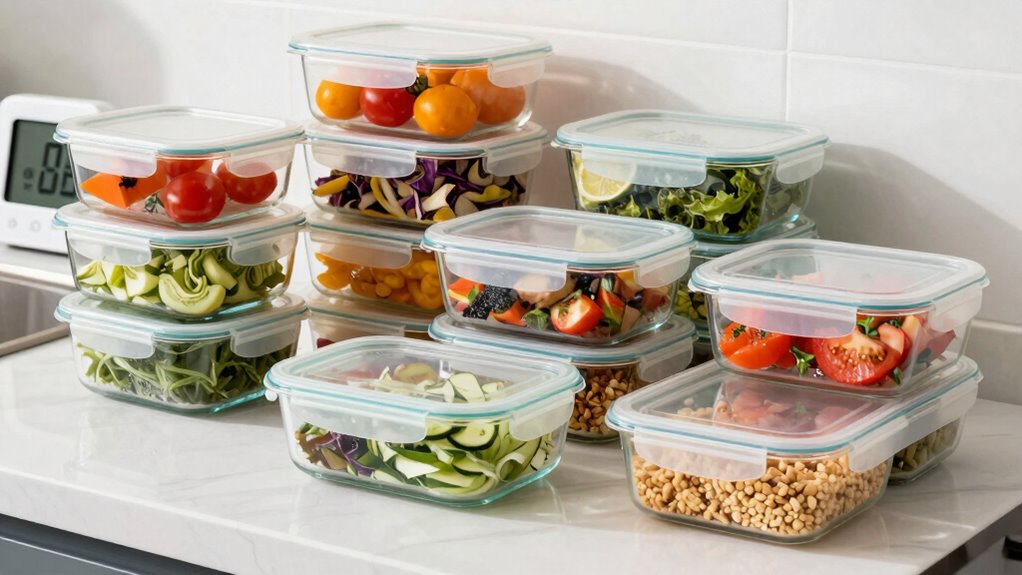
Using shallow containers is one of the most effective ways to speed up the cooling process for your meal preps. Shallow containers increase the surface area, allowing heat to escape more quickly and promoting rapid cooling. When you transfer hot food into these containers, it reduces the overall temperature faster than deeper ones. This quick dissipation of heat is essential to prevent bacteria growth, especially when cooling large quantities. Proper cooling techniques, such as rapid heat dissipation, are vital to maintaining food safety standards and preventing foodborne illnesses. By using shallow containers, you ensure your food cools efficiently, reducing the time it spends in the danger zone and maintaining food safety standards. Additionally, adopting proper cooling methods can significantly decrease the risk of bacterial proliferation during storage. Incorporating temperature monitoring devices can further ensure that your food remains within safe temperature ranges during the cooling process.
How to Store Meal Preps Safely to Keep Them Fresh
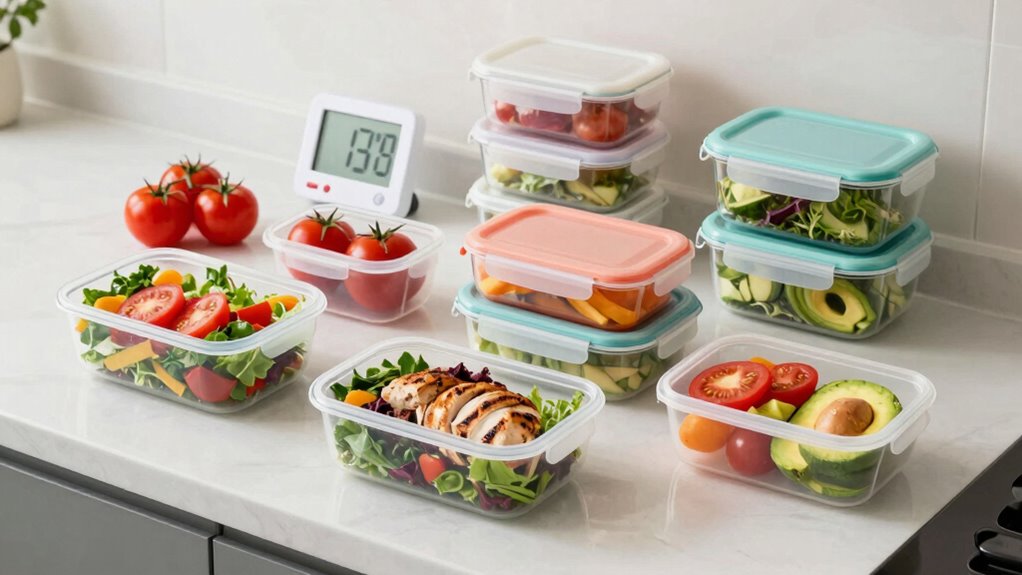
Storing meal preps properly is vital to keep them fresh and safe to eat. Effective food storage begins with using airtight containers that prevent moisture loss and cross-contamination. Label each container with the date to track freshness and avoid keeping food past safe limits. Refrigeration techniques are essential—you should set your fridge to 40°F (4°C) or below to slow bacteria growth. Arrange meal preps on shelves where cold air circulates freely, and avoid overpacking the fridge to maintain consistent temperatures. Store hot foods in shallow containers for rapid cooling before refrigeration. Always refrigerate meal preps promptly, ideally within two hours of cooking. Proper food storage ensures your meals stay fresh longer and reduces the risk of foodborne illness. Additionally, understanding proper temperature control helps prevent bacterial growth and keeps your food safe during storage. Ensuring your refrigerator maintains consistent temperatures is also key to preventing spoilage. Regularly checking your fridge’s temperature with a thermometer can help you maintain safe conditions and avoid unexpected spoilage. Incorporating proper cooling methods is crucial to rapidly lowering food temperatures and preventing bacterial proliferation during storage. Remember that food safety practices are crucial for protecting your health and enjoying your meals safely.
Common Cooling Mistakes That Lead to Spoilage and Illness
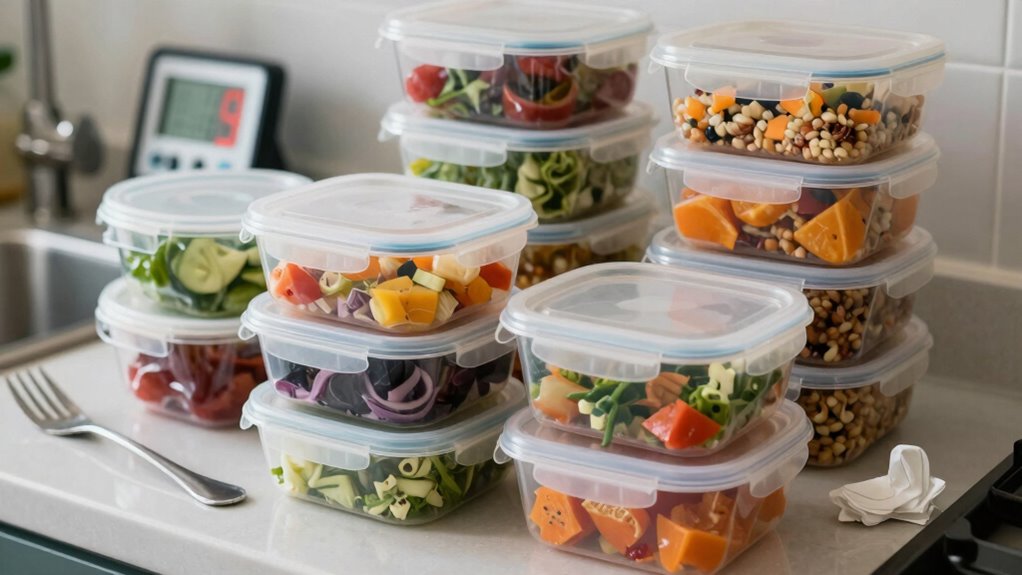
One of the most common mistakes that leads to spoilage and foodborne illness is cooling foods too slowly. When you don’t use proper cooling techniques, bacteria like foodborne pathogens can multiply rapidly. Leaving hot foods out at room temperature gives bacteria an ideal environment to grow, increasing the risk of illness. To avoid this, cool foods quickly by dividing large portions into smaller, shallow containers, which helps release heat faster. Avoid packing hot foods tightly in the fridge, as this traps heat and hampers cooling. Rapid cooling reduces the time food spends in the temperature danger zone (40°F to 140°F), minimizing bacteria growth. Proper cooling techniques are essential to keep your meal preps safe and prevent spoilage.
Reheating Meal Preps Safely Without Compromising Quality

To reheat your meal preps securely, you need to focus on reaching proper temperatures to kill bacteria and preserve taste. Using your microwave correctly ensures even heating without overcooking, while reheating in batches helps maintain quality. Follow these tips to enjoy your meals safely and deliciously.
Proper Reheating Temperatures
Ensuring your meal preps are reheated to the right temperature is crucial for both safety and taste. Proper reheating destroys bacteria and maintains flavor. Always check food labeling for specific instructions, especially for items needing higher temperatures. Use portion control to reheat evenly, preventing cold spots that harbor bacteria. Aim for an internal temperature of at least 165°F (74°C) for leftovers, poultry, and seafood. Use a food thermometer to verify this temperature. Remember, reheating too quickly or unevenly can compromise texture and safety. Stir or rotate food during reheating to promote even heat distribution. Avoid guesswork—precision is key to safe, delicious leftovers. Proper reheating practices safeguard your health while preserving the quality of your meal preps.
Use Microwave Safely
Using your microwave to reheat meal preps is quick and convenient, but it requires careful attention to avoid uneven heating that can compromise safety and quality. To guarantee microwave safety, stir your food halfway through reheating to promote even heat distribution. Follow reheating guidelines by covering your meals to retain moisture and prevent splatters, and use microwave-safe containers to avoid chemical leaching. Always check that the internal temperature reaches at least 165°F (74°C) to kill bacteria. Avoid overfilling the microwave, which can hinder proper heating. Let your food rest for a minute after reheating to allow heat to distribute evenly. By adhering to these microwave safety tips, you can enjoy your meal preps without risking foodborne illnesses or sacrificing flavor.
Reheat in Batches
Reheating meal preps in batches can save time and energy, but it’s important to do so carefully to maintain safety and quality. Proper reheating guarantees ingredient freshness and prevents bacterial growth. To do this effectively:
- Divide large portions into smaller, evenly-sized containers for uniform reheating.
- Use portion control to avoid overheating or underheating, preserving texture and flavor.
- Reheat to an internal temperature of 165°F (74°C) to kill bacteria.
- Stir or rotate food during reheating to ensure even heat distribution and maintain ingredient freshness.
Following these steps helps you retain the quality of your meal preps while keeping them safe to eat. Batch reheating, when done correctly, balances efficiency with food safety standards.
Easy Rules for Cooling Leftovers Effectively

Cooling leftovers properly is essential to keep food safe and preserve its quality. To do this effectively, divide large portions into smaller, shallow containers. This promotes quick cooling and prevents bacteria growth. Aim to bring food into the safe temperature zone of 40°F (4°C) within two hours. Use the table below as a guide:
| Cooling Zone | Food Temperature | Time Limit |
|---|---|---|
| Room temp | Above 140°F (60°C) | 2 hours max |
| Shallow containers | 40°F–140°F (4°C–60°C) | Within 2 hours |
| Refrigerator | Below 40°F (4°C) | Store safely |
Tips to Keep Your Meal Preps Safe From Kitchen to Table

To keep your meal preps safe from kitchen to table, start by practicing proper handling from the moment you finish cooking. Always store leftovers in airtight containers and label them with dates to monitor freshness. When preparing ingredients, consider ingredient substitutions that reduce cooking time and minimize contamination risks. For better meal presentation, arrange food neatly to prevent cross-contact and make reheating easier.
Here are four tips to ensure safety:
- Cool leftovers promptly and split large portions into smaller containers.
- Use clean utensils and wash hands thoroughly before handling meal preps.
- Keep raw ingredients separate from cooked foods during storage.
- Reheat to the proper temperature, avoiding undercooking or overheating.
Following these steps helps maintain safety from start to finish.
Frequently Asked Questions
How Do I Know if My Meal Prep Has Cooled Enough Before Storing?
You’ll know your meal prep has cooled enough when it reaches a food temperature of 40°F or below. Use a food thermometer to check, ensuring even the thickest parts have cooled. Employ effective cooling techniques like dividing large portions into smaller containers or placing them in an ice bath. Wait until the food is at the correct temperature before storing to prevent bacteria growth and keep your meals safe.
Can I Leave Hot Meal Preps Out Overnight to Cool?
You shouldn’t leave hot meal preps out overnight to cool, as it risks bacterial growth. Instead, aim to bring the food temperature down quickly using safe cooling methods like dividing large portions into smaller containers or using an ice bath. These methods help the food cool efficiently and safely, preventing spoilage and foodborne illnesses. Always refrigerate food within two hours of cooking to keep it safe.
What Are the Signs of Spoiled Meal Preps Caused by Improper Cooling?
You’ll notice spoiled meal preps if you see mold growth or detect a sour, off smell. Food poisoning symptoms like nausea, stomach cramps, or diarrhea may also develop if you’ve eaten contaminated food. If the meal’s texture is slimy or discoloration appears, it’s best to discard it. Always trust your senses—when in doubt, throw it out to avoid health risks from improperly cooled food.
Is It Safe to Use Plastic Containers for Cooling Hot Foods?
Yes, you can use plastic containers for cooling hot foods if they’re food-grade plastics. Make sure the containers are designed for hot contents and provide adequate container insulation to help cool foods evenly. Avoid using non-food-grade plastics, as they may leach harmful chemicals when exposed to heat. Always leave some space at the top for expansion and cool foods promptly to prevent bacteria growth and ensure food safety.
How Does Altitude Affect Cooling Times and Safety?
Altitude affects cooling times and safety because pressure differences lower the boiling point of water, making foods cool differently. At higher elevations, liquids evaporate faster, which can speed up cooling but also risk uneven cooling if not monitored. You should be aware of these variations and adapt your cooling methods accordingly, such as dividing hot foods into smaller portions or using shallow containers to ensure they reach safe temperatures quickly.
Conclusion
Did you know that bacteria can double in number every 20 minutes if food stays in the danger zone? That’s why proper cooling is essential. By following simple rules like using shallow containers and refrigerating promptly, you can prevent foodborne illnesses and keep your meals fresh. Don’t let shortcuts put your health at risk—practice safe cooling habits every time you meal prep. Your health and peace of mind are worth it.